How Long Does Ceramic Coating Last on a Car?
Drivers often ask how long ceramic coating lasts on a car. We give a clear range: 1 to 5+ years, based on product quality, surface preparation, installation, environment, and maintenance. Professional-grade coatings installed correctly and maintained well last far longer than DIY options. Performance always declines over time due to daily exposure and real-world driving.
Key Takeaways
- Most ceramic coatings last between 1 and 5+ years, depending on quality and upkeep.
- Professional-grade coatings with proper paint preparation outlast entry-level or DIY applications.
- “Lasting” means continued hydrophobic behavior, gloss retention, and easier cleaning—not permanent protection.
- Climate, storage, driving habits, and washing methods directly impact durability.
- Proper maintenance, including safe washing and periodic inspections, can extend effective lifespan.
What You Can Realistically Expect From Ceramic Coating Lifespan
Most ceramic coatings last anywhere from 1 year to 5+ years. The exact timeline depends on product quality, installation, and maintenance.
When customers ask how long does ceramic coating last on a car, we give a range instead of a single number. That’s because not all coatings—or driving conditions—are the same.
Here’s a realistic breakdown:
- Entry-level or DIY coatings: typically 1–2 years
- Mid-range coatings: 2–5 years
- Professional-grade coatings: 5+ years under proper conditions
Those ranges assume the coating is applied correctly and maintained properly. A professional-grade product installed with thorough prep will almost always outlast a quick DIY application.
It’s also important to define what “lasts” actually means. Ceramic coating doesn’t provide permanent protection. It doesn’t mean zero maintenance. It doesn’t mean flawless paint forever. Performance gradually declines over time. Water beading becomes less dramatic. The surface may feel less slick. Cleaning might take slightly more effort.
The coating doesn’t just fail overnight. It slowly tapers off, especially if the vehicle faces harsh conditions.
So if we’re answering how long does a ceramic coating last on a car, the honest answer is this: it depends on quality, environment, and care—and realistic expectations matter.
What “Lasts” Really Means (And What It Doesn’t)
In practical terms, longevity means the coating continues to provide:
- Strong water beading and hydrophobic behavior
- Improved gloss retention
- Easier cleaning
- Resistance to chemicals and contaminants
As long as those benefits are present, the coating is still performing.
There’s a lot of marketing noise around ceramic coatings, which creates confusion. We regularly hear three common misconceptions.
One is that ceramic coating lasts forever. It doesn’t. All protective products degrade over time.
Another is that it never needs maintenance. It does. Owners still need to wash properly and remove contaminants.
The third is that it prevents rock chips and scratches. Ceramic coating is not paint protection film. It adds measurable chemical resistance and hardness, but it won’t stop a rock at highway speed. Anyone promising chip-proof paint is overselling.
Compared to traditional products, ceramic coating clearly lasts longer. Wax typically lasts weeks to a few months at best. Paint sealants can last several months. Ceramic coatings are measured in years under proper conditions. That’s a major step up, but it’s still not permanent.
Clear, realistic expectations prevent disappointment later. When we explain how long does ceramic coating last, we focus on practical benefits and honest timelines.
What Determines How Long a Ceramic Coating Lasts
Several key factors control how long does ceramic coating last on cars.
Product quality comes first. Consumer-grade coatings generally offer shorter durability. Professional-grade coatings bond more effectively and provide stronger long-term performance.
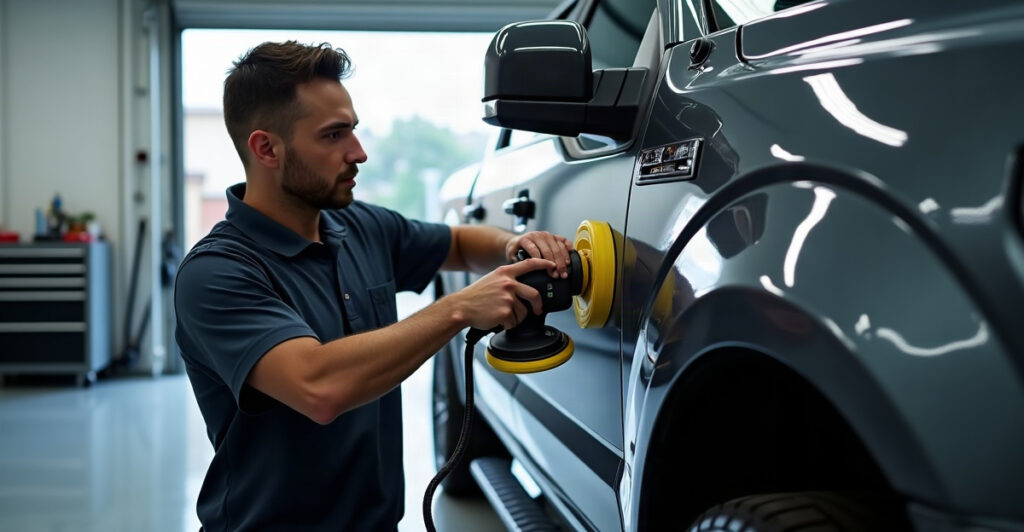
Surface preparation is critical. Proper paint correction removes oxidation, contamination, and defects. Coatings bond best to clean, properly prepped paint. If a coating is installed over uncorrected or contaminated paint, it will not perform to its rated lifespan. Prep work isn’t optional. It’s what makes longevity possible.
Installation technique matters just as much. Leveling high spots, applying even layers, and following cure procedures directly affect durability. Small shortcuts reduce long-term results.
Climate plays a major role in our area. Eastern Idaho and Western Wyoming present real challenges:
- Snow and road salt in winter
- Strong UV exposure at higher elevations
- Temperature swings and dry conditions
Salt accelerates surface breakdown if not removed regularly. UV exposure slowly degrades protection. Extreme temperature fluctuations stress both paint and coating.
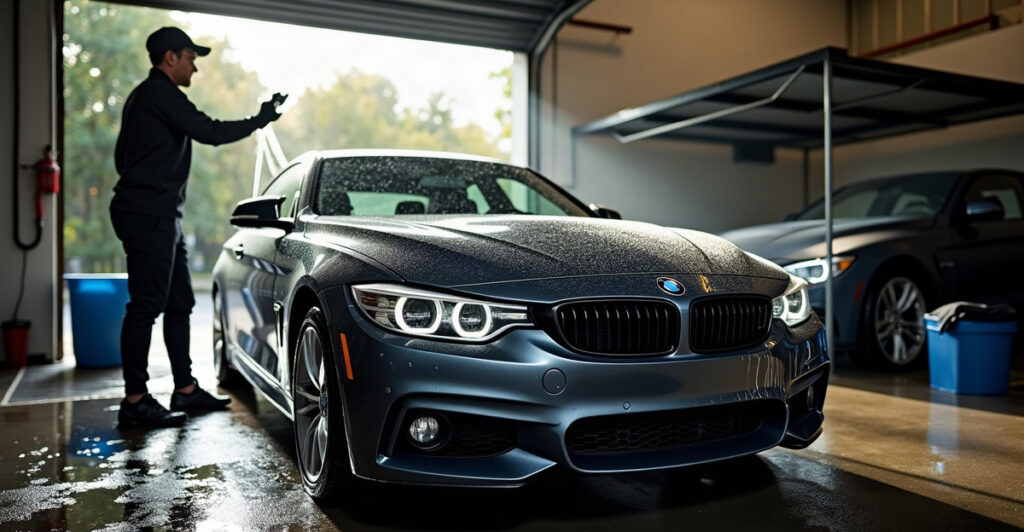
Storage conditions also make a difference. A garage-kept vehicle usually sees slower degradation than one parked outdoors year-round. Driving frequency and mileage matter as well. A high-mile commuter in harsh weather won’t age at the same rate as a limited-use weekend vehicle.
Washing habits can either extend or shorten lifespan. Automatic brush washes cause micro-marring and wear down coatings faster. Infrequent washing allows contaminants to sit on the surface and degrade performance.
All these variables explain why how long does ceramic coating last has no universal number attached.
Real-World Examples: Why Results Vary From One Vehicle to Another
We see very different outcomes depending on how a vehicle is used.
Consider a daily driver parked outside year-round in Eastern Idaho winters. It commutes regularly, sees road salt for months, and goes through occasional automatic washes. Even with a professional-grade coating, realistic lifespan may fall toward the lower end of the quoted range.
Now compare that to a garage-kept weekend truck. It sees limited mileage, gets proper hand washes, and avoids harsh conditions. That vehicle may achieve 5+ years from a professional-grade auto ceramic coating.
RVs and recreational vehicles are another example. They may sit for seasons at a time, which reduces wear from driving. However, they often endure intense UV exposure and weather. A properly installed RV ceramic coating helps manage that exposure, but UV still plays a long-term role.
The same logic applies to trucks and SUVs used for work versus those used lightly for recreation. Heavy use in rough conditions naturally shortens the answer to how long does ceramic coating last on a car.
Ownership plans also matter. Someone planning to keep a vehicle for 8–10 years benefits differently than someone trading in after two.
There’s no fixed timeline that applies to every car. Usage patterns, storage, and maintenance always influence results.
How to Maximize the Lifespan of Your Ceramic Coating
Maintenance directly impacts how long does ceramic coating last. Good habits can add years of performance.
- Follow proper washing techniques. Avoid automatic brush washes. Use pH-neutral car shampoos that won’t degrade the coating. Wash regularly to remove salt, dirt, and environmental contaminants.
- Address contaminants quickly. Bug residue, bird droppings, and tree sap can etch if left sitting for long periods. Even coated surfaces need prompt care.
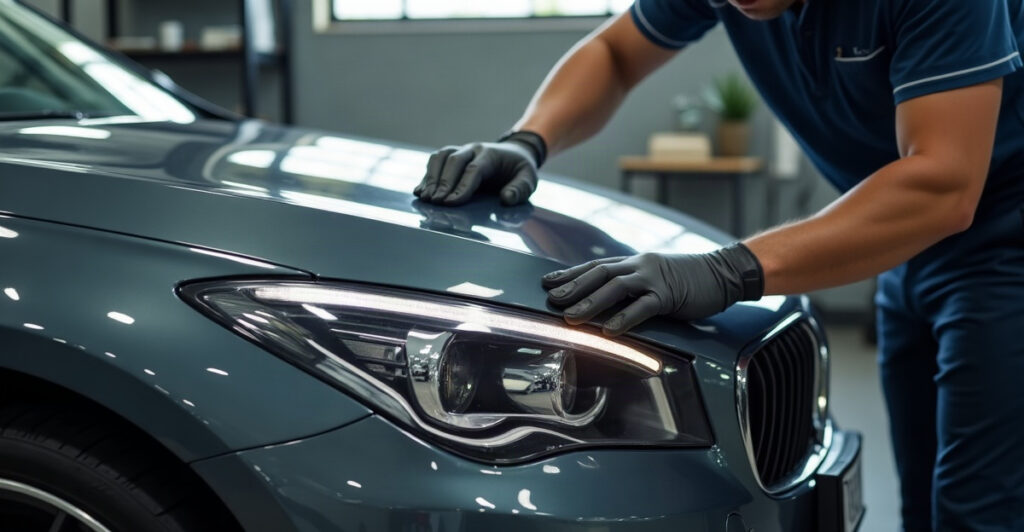
- Schedule periodic inspections. A professional checkup helps confirm the coating is performing properly. We often recommend a light maintenance detail annually for daily drivers exposed to harsh winters.
- Use maintenance toppers if needed. These can refresh hydrophobic behavior if the base coating is still intact and help extend overall performance.
Consistent, correct maintenance makes a measurable difference. Owners who wash properly and stay ahead of contaminants typically see longer effective life.
Is Ceramic Coating a Worthwhile Long-Term Investment?
The real question isn’t just how long does ceramic coating last. It’s whether the lifespan aligns with ownership goals.
For short-term ownership of one to two years, a mid-range coating may make sense. It provides improved gloss and easier maintenance without committing to a long-term system.
For long-term ownership of five years or more, a professional-grade option offers better value. The reduction in recurring waxing and the improved protection against environmental damage make a noticeable difference over time.
Daily drivers benefit from easier winter cleaning and better resistance to road salt. Collector vehicles and specialty builds benefit from long-term gloss retention and simplified upkeep.
Compared to reapplying wax multiple times per year, a properly installed ceramic coating provides durable, multi-year protection. It’s a long-term protective solution when installed correctly and maintained consistently.
We focus on realistic expectations. Ceramic coating isn’t magic, but it’s a proven upgrade over traditional protection. If we’re honest about care and environment, the answer to how long does a ceramic coating last becomes clear: it lasts as long as the product quality, installation, and maintenance allow.
For drivers who value consistent appearance, easier cleaning, and long-term paint preservation, ceramic coating remains one of the most practical protection options available.