Car Wax vs Ceramic Coating: Which Is Better for Your Car?
Choosing between car wax vs ceramic coating depends on durability, long-term cost, and the level of protection we want for our vehicles in real conditions such as road salt, strong sun, and outdoor parking. We break down how each option performs in lifespan, upkeep, chemical resistance, and overall value so we can make a clear, confident decision for our cars.
Key Takeaways
- Car wax provides short-term protection that lasts 1–3 months, while professional ceramic coating typically lasts 2–5 years with proper care.
- Ceramic coating bonds chemically to the clear coat, which gives stronger resistance against UV rays, road salt, and chemicals, but we won’t treat it as permanent or scratch-proof.
- Wax carries a lower upfront price, yet frequent reapplication over several years can bring total costs close to what we would spend on ceramic coating.
- Both options require consistent washing and upkeep, and neither option eliminates maintenance.
- We see greater long-term value from ceramic coating in harsh climates, while short-term owners or enthusiasts who enjoy hands-on detailing often prefer wax.
Car wax and ceramic coating both protect paint, but they do it in very different ways. This comparison breaks down durability, cost, protection, and maintenance so we can make a clear, confident decision.
At its core, car wax is a temporary layer that sits on top of the paint. Ceramic coating is a semi-permanent liquid polymer, usually SiO2-based, that chemically bonds to the clear coat.
Several misconceptions need to be cleared up early. Ceramic coating isn’t permanent. It isn’t scratch-proof. Neither wax nor coating makes a vehicle maintenance-free.
The debate around car wax vs ceramic coating is common in Eastern Idaho and Western Wyoming. Our area brings heavy snow, road salt, strong UV exposure, outdoor parking, mud, and major temperature swings. Protection matters more here than in mild climates, so understanding ceramic coating vs wax car protection is critical before investing.
What Is Car Wax and What Can It Realistically Do?
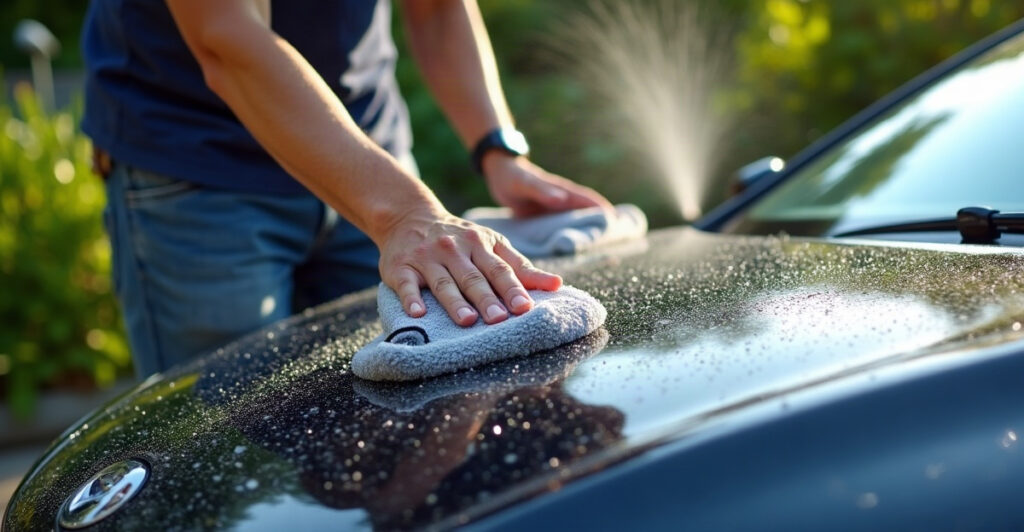
Car wax is typically made from natural carnauba wax, synthetic polymers, or a blend of both. It creates a sacrificial layer on top of the automotive clear coat. That layer takes the abuse so the paint doesn’t.
Wax adds gloss and depth, especially on darker colors. It gives that warm, rich glow that many enthusiasts love. It also creates short-term water beading and light contamination resistance.
In real-world conditions, traditional wax lasts about 4–8 weeks. High-quality synthetic waxes or sealants may stretch to 3–4 months if the vehicle is garaged and properly maintained. In harsh winters, protection often fades faster.
Protection from wax is limited but useful:
- UV protection is moderate and short-lived.
- Bird droppings and tree sap are less likely to stain if removed quickly.
- Resistance to road salt and strong winter chemicals is minimal.
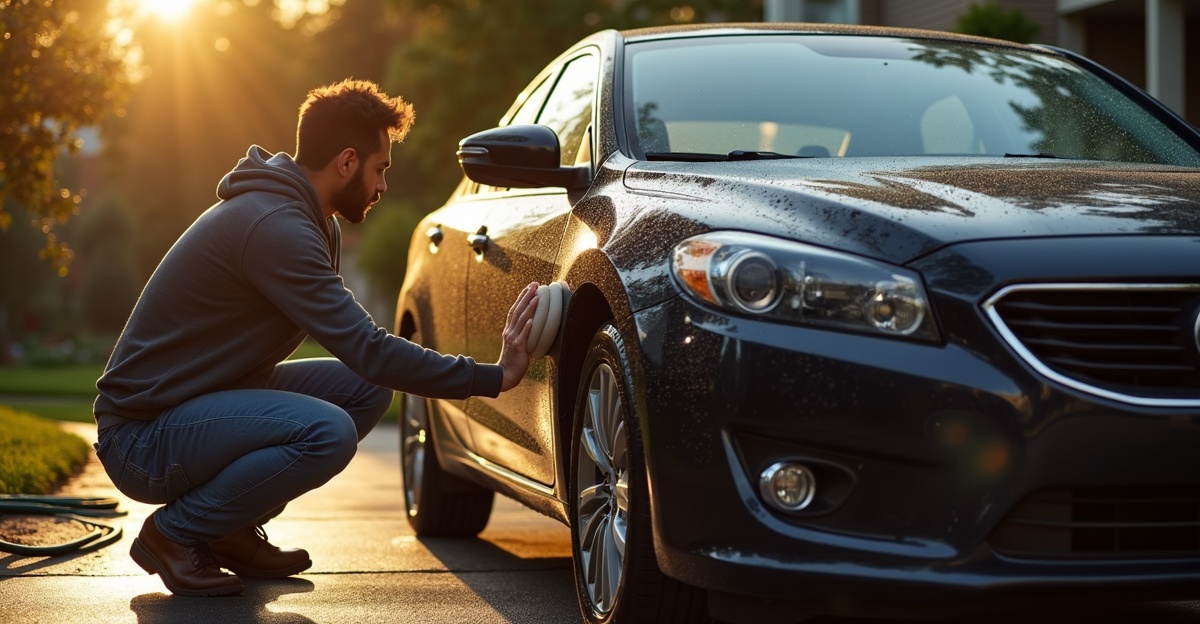
Wax requires consistent maintenance. Regular washing, especially with strong soaps, can strip it. Most owners need to reapply several times per year to maintain protection.
Wax makes sense for:
- Budget-conscious owners
- Leased vehicles
- Short-term ownership
- Hobbyists who enjoy frequent detailing
For some drivers, especially those who enjoy waxing as a weekend routine, car ceramic coating vs wax isn’t about durability alone. It’s about the hands-on experience.
What Is Ceramic Coating and How Does It Protect?
Ceramic coating is a liquid polymer, commonly SiO2-based, applied to paint after proper preparation. Unlike wax, it chemically bonds to the clear coat. That bond creates a stronger and more chemically resistant surface.
Preparation is critical. We always recommend proper decontamination and, in many cases, paint correction before application. Coating locks in the paint’s condition. If imperfections remain, they’ll be sealed underneath.
Once cured, ceramic coating forms a harder layer than wax. It produces hydrophobic properties, meaning water beads and sheets off more easily. Dirt doesn’t stick as aggressively, which makes washing easier.
Typical lifespan for professional-grade coatings is 2–5 years, depending on product quality, prep work, and maintenance. DIY coatings usually have a shorter lifespan.
Realistic protection includes:
- Stronger resistance to UV damage and oxidation
- Better protection against road salt and winter chemicals
- Improved resistance to water spotting (but not immunity)
- Reduced likelihood of light swirl damage
Ceramic coating is not scratch-proof. It won’t stop rock chips. It doesn’t replace paint protection film.
Maintenance doesn’t disappear. Vehicles still require regular washing. Some coatings benefit from annual inspections or booster applications to maintain peak performance.
In Eastern Idaho and Western Wyoming, ceramic coating holds up significantly better during long winters. Snow, salt, and freeze-thaw cycles are tough on unprotected paint. For vehicles parked outside year-round, ceramic coating car vs wax becomes a clear durability question.
Owners of larger vehicles often choose truck and SUV coating options because those vehicles see more exposure to mud, gravel, and harsh conditions.
Side-by-Side Comparison: Car Wax vs Ceramic Coating
Here’s a direct breakdown of ceramic coating vs wax car protection:
Durability
Wax typically lasts 1–3 months. Professional-grade ceramic coating lasts 2–5 years.
Cost
Wax has a low upfront cost but requires repeated purchases or service appointments. Ceramic coating has a higher initial investment but doesn’t require frequent reapplication.
Over 3–5 years, waxing 3–5 times per year adds up. Material costs or professional applications can approach, and sometimes exceed, the cost of a single professional ceramic coating with light maintenance.
Protection Level
- UV protection is moderate with wax. Ceramic offers strong UV resistance.
- Road salt and chemicals have limited resistance with wax. Ceramic provides much stronger protection.
- Minor scratches aren’t prevented by either. Ceramic may reduce light swirl marks compared to wax.
Maintenance Requirements
Wax demands frequent reapplication.
Ceramic still requires regular washing but far less frequent reapplication.
Ease of Application
Wax is DIY-friendly and forgiving.
Ceramic requires extensive prep and controlled installation conditions. Professional application delivers the best long-term results. Our auto ceramic coating services focus heavily on prep because that’s what determines durability.
Shine and Appearance
Wax gives a warm, deep glow.
Ceramic produces a crisp, highly reflective gloss with strong water beading.
For many long-term owners, car wax vs ceramic coating becomes less about shine and more about durability and reduced effort.
Who Should Choose Wax vs Who Should Choose Ceramic Coating?
Wax fits certain situations well. It works for owners on a tight budget, those planning to sell or return a lease soon, and hobbyists who enjoy regular detailing sessions. Short-term protection at a lower upfront cost makes sense in those cases.
Ceramic coating benefits long-term owners. It’s a strong choice for high-value vehicles and for drivers who don’t want to wax multiple times per year. Anyone dealing with harsh winters, road salt, heavy UV exposure, or outdoor storage sees clear advantages.
Outdoor enthusiasts, contractors, and families driving trucks or SUVs year-round often find ceramic protection far more practical. Less buildup, easier washing, and improved chemical resistance make daily maintenance simpler.
A practical decision framework helps:
- How long do we plan to keep the vehicle?
- How much are we willing to spend upfront vs over time?
- How much effort do we want to put into regular waxing?
- What climate conditions does the vehicle face?
Neither option is “ultimate protection.” Both require realistic expectations. Ceramic simply provides longer-lasting, stronger protection for most long-term drivers.
Common Questions About Ceramic Coating vs Wax Car Owners Ask
Can wax be applied over ceramic coating?
Yes, but it’s usually unnecessary. Some waxes may even reduce the coating’s hydrophobic performance depending on the product used.
Does ceramic coating stop rock chips?
No. For impact protection, paint protection film is required.
Does a coated vehicle still need washing?
Yes. Dirt doesn’t bond as aggressively, but it still accumulates.
Is ceramic coating worth it in snowy, high-salt areas?
In regions like ours, ceramic coating is often worth it for long-term owners. Chemical resistance alone makes a noticeable difference over several winters.
A local evaluation always helps. Paint condition, existing defects, age of the vehicle, and storage conditions all matter. Reviewing options with an experienced installer allows for informed decisions without pressure. When ready for professional guidance, we recommend starting with All In Ceramic Coating or reaching out directly through our contact page.