Is Paint Correction Worth It for a Daily Driver?
Paint correction can be worth the investment for a daily driver with swirl marks, haze, oxidation, or light scratches that dull the finish. We recommend matching the service to the vehicle’s condition and expected use. Paint condition, driving environment, budget, ownership plans, and maintenance habits all shape the best choice. In many cases, a one-step polish or protection-focused service delivers the strongest long-term value.
Key Takeaways
- Paint correction restores gloss, clarity, and sharper reflections by reducing clear-coat defects. It can’t repair deep scratches, paint chips, dents, or failing clear coat.
- A one-step polish often suits daily drivers best. It reduces light defects and improves the finish without chasing maximum correction.
- Ceramic coating helps protect a corrected finish and makes routine washing easier. It won’t conceal existing defects or stop every mark from daily driving.
- High-mileage vehicles, work trucks, cars that use automatic washes, and vehicles parked outdoors often benefit from lighter correction with practical paint protection.
- A professional paint assessment lets us match the correction level to clear-coat condition, maintenance routine, budget, and long-term ownership goals.
When Paint Correction Makes Sense for a Daily Driver?
For many vehicles, the answer to is paint correction worth it depends on what you expect from the finish.
A daily driver does not need flawless paint to benefit from correction. Light polishing can remove or reduce visible defects that make paint look dull under sunlight or bright lighting.
Professional paint correction can improve gloss and clarity while preserving more of the clear coat than an aggressive approach aimed at maximum defect removal.
The best service usually balances appearance with how the vehicle is actually used.
What Does Paint Correction Actually Do?
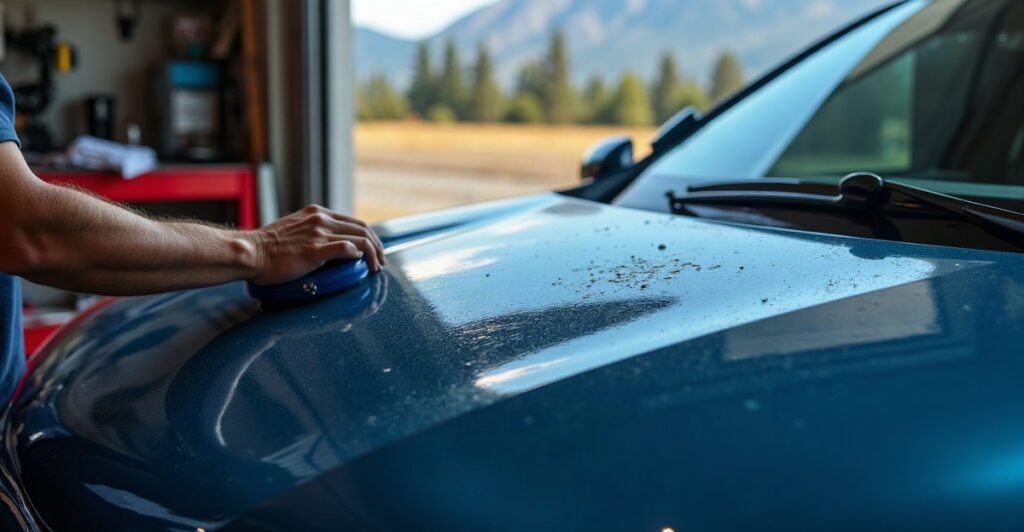
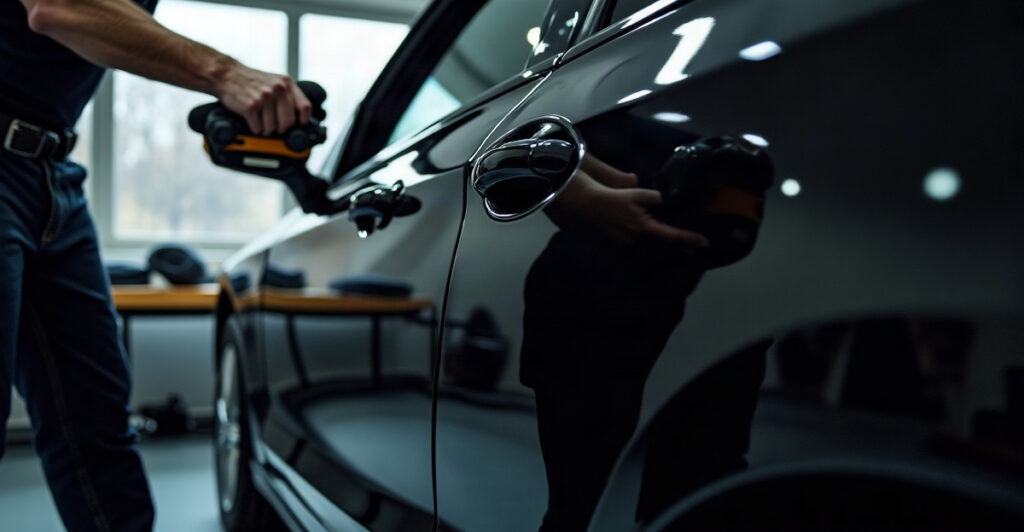
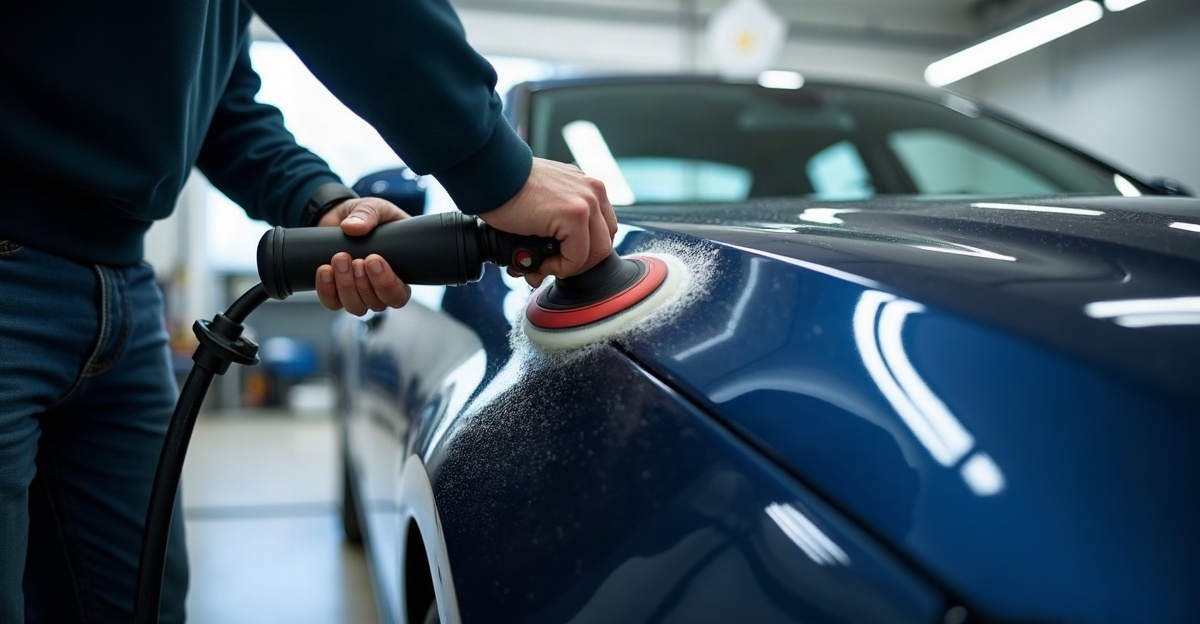
Paint correction is a controlled polishing process that removes a very thin amount of clear coat to reduce surface defects.
These defects scatter light and make reflections appear hazy or uneven. By leveling the surrounding clear coat, polishing can create a smoother-looking finish.
Paint Correction Can Improve Common Defects
Depending on their depth, correction may reduce:
- Swirl marks
- Light scratches
- Water spotting
- Mild oxidation
- Haze
- Wash marks
- Light surface etching
The result can be deeper gloss and sharper reflections.
However, improvement depends on the condition and thickness of the paint.
What Paint Correction Cannot Fix
Paint correction has limits.
It cannot replace paint that is already missing or repair damage below the clear coat.
Problems that usually require another type of repair include:
- Deep scratches through the paint
- Rock chips
- Dents
- Cracked paint
- Peeling clear coat
- Rust
- Severe paint failure
Trying to polish these problems away may remove unnecessary clear coat without solving the damage.
A Paint Assessment Helps Set Realistic Expectations
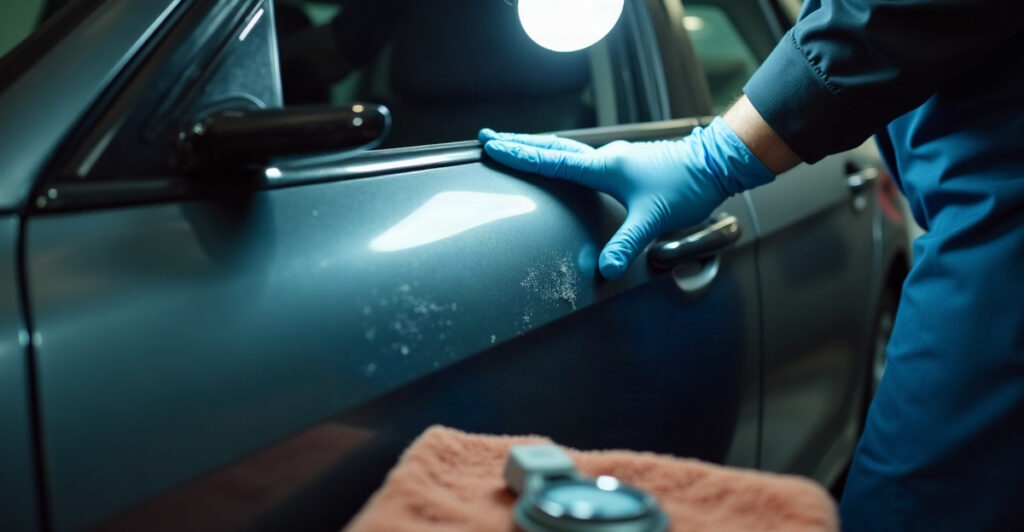
Before correction begins, the paint should be inspected under suitable lighting.
A professional can identify which defects are likely to improve and which should remain untouched.
This helps prevent overcorrection and allows the service to match the actual condition of the vehicle.
Why a One-Step Polish Often Makes Sense
Daily drivers continue to encounter normal wear.
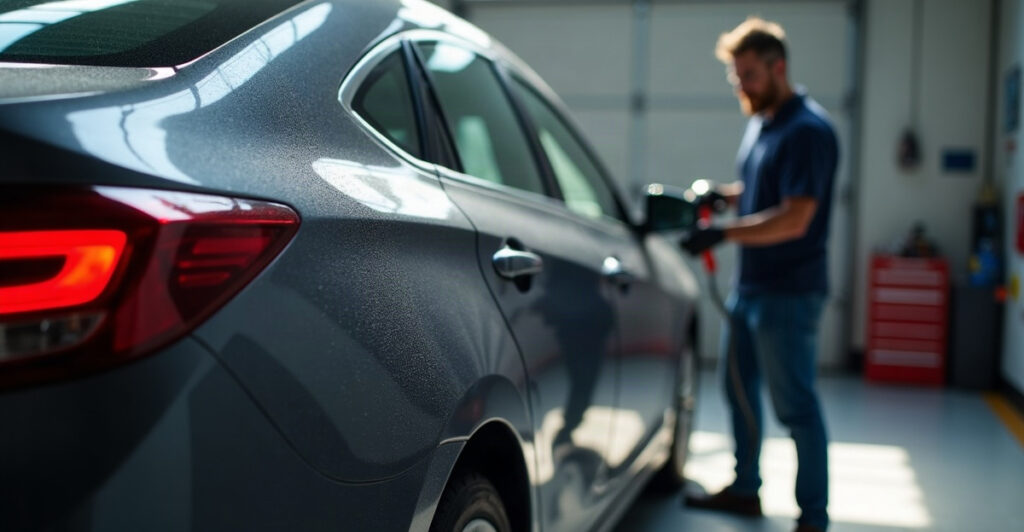
Road debris, dust, weather, parking lots, washing, and frequent use can gradually create new marks even after correction.
For that reason, a one-step polish often provides a useful balance between appearance and paint preservation.
What a One-Step Polish Can Accomplish
A one-step process generally focuses on reducing lighter defects while improving overall gloss.
It may be appropriate when the vehicle has:
- Light swirl marks
- Minor wash scratches
- Mild haze
- Light oxidation
- Generally healthy clear coat
The goal is not necessarily to remove every visible imperfection.
Instead, it improves the overall appearance without chasing defects that may require more aggressive polishing.
When More Extensive Paint Correction May Make Sense
Some vehicles need more than a light polish.
Multiple polishing stages may be considered when defects are more noticeable and the paint has enough healthy clear coat to support further correction.
This may apply to a vehicle with deeper swirl marks, heavier oxidation, or widespread surface damage.
However, additional correction also means more time, labor, and clear-coat removal.
Daily Use Should Shape the Decision
A vehicle that receives frequent highway use, outdoor parking, or heavy work exposure may not benefit from pursuing near-perfect paint.
For a daily driver, correcting the most noticeable defects and protecting the finish may offer better practical value.
High-Mileage Vehicles Can Still Benefit
An older or high-mileage car does not need to be a show vehicle to justify paint correction.
If the paint is structurally healthy, a light polish can make a noticeable difference in overall appearance.
A cleaner, glossier finish may help the vehicle look better cared for even if some deeper defects remain.
Focus on Improvement Rather Than Perfection
Older vehicles may have:
- Rock chips
- Deep scratches
- Previous repairs
- Thin paint
- Faded areas
Trying to eliminate every defect can be unrealistic.
A more practical approach is to improve gloss and clarity while leaving defects that would require excessive polishing.
You can view examples of finished vehicle work in the gallery.
Work Trucks Need a Practical Approach
Work trucks may face dust, mud, road grime, equipment contact, and frequent outdoor exposure.
Aggressive correction may provide less value if the truck will quickly return to harsh conditions.
A lighter service can still improve the appearance and prepare the paint for protection.
Protect the Finish After Polishing
For work vehicles, the focus may be:
- Removing noticeable haze
- Improving gloss
- Reducing lighter swirl marks
- Making washing easier
- Adding durable protection
This approach recognizes that the vehicle will continue to work rather than remain in controlled conditions.
Automatic Car Washes Can Affect Corrected Paint
Some automatic washes can contribute to surface marks over time, particularly systems that use brushes or other materials that repeatedly contact the paint.
If a vehicle continues using a wash method that creates swirl marks, a highly aggressive correction may not provide lasting visual value.
A lighter correction followed by better washing habits may make more sense.
Maintenance Matters After Correction
To help preserve the finish:
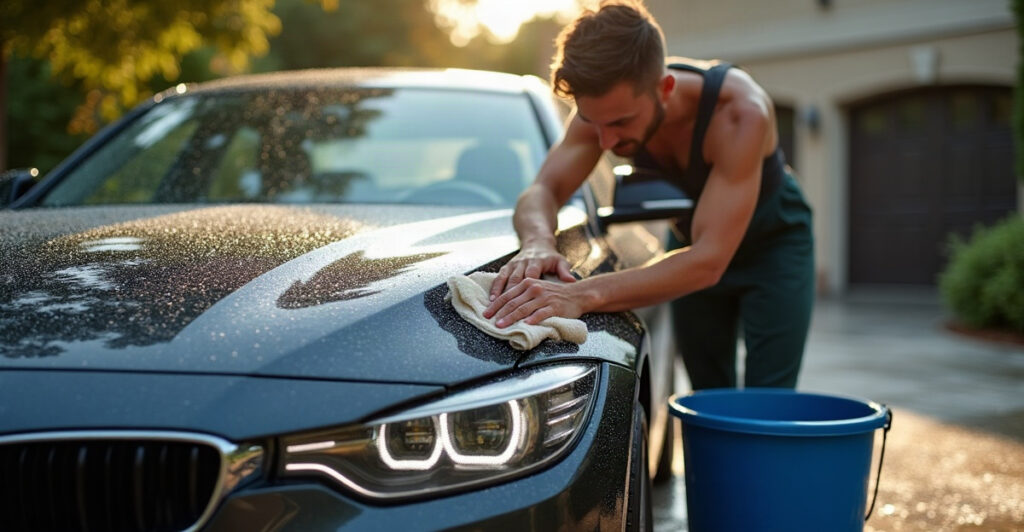
- Use clean wash tools
- Avoid harsh scrubbing
- Dry with clean microfiber towels
- Remove contaminants carefully
- Address bird droppings and similar contamination promptly
Good maintenance cannot prevent every mark, but it can help reduce unnecessary damage.
Does Ceramic Coating Make Paint Correction More Worthwhile?
Ceramic coating can help protect a corrected finish from environmental exposure and simplify routine cleaning.
It creates a protective layer over the paint rather than correcting defects itself.
That distinction matters.
Ceramic coating will not remove swirl marks, scratches, or oxidation already present in the paint.
Correct First, Then Protect
If visible defects bother you, correcting them before coating generally produces a better-looking final result.
Applying a coating over neglected paint can preserve the existing appearance, including visible imperfections.
The level of correction should still match the vehicle’s use and your goals.
A daily driver may not need maximum correction before protection.
Outdoor Parking Changes the Value Equation
Vehicles parked outdoors face sun, rain, dust, pollen, bird droppings, tree contamination, and other environmental exposure.
These conditions can gradually affect the finish.
Paint correction can restore some lost clarity, but protection and maintenance become especially important afterward.
Consider How Long You Plan to Keep the Vehicle
Ownership plans can influence whether paint correction is worth the investment.
If you plan to keep the vehicle for several years and care about its appearance, correction and protection may provide ongoing value.
If the vehicle is near the end of your ownership period, a lighter polishing service may make more sense than extensive correction.
Your Budget Should Match Your Goals
More correction usually requires more labor.
That does not mean the most expensive option is automatically the best choice.
For daily vehicles, prioritize the defects that affect overall appearance the most.
A professional assessment can help determine whether a one-step polish or more involved correction offers reasonable value.
All In Ceramic Coating can evaluate the vehicle’s paint and recommend a level of correction based on its condition, intended use, and maintenance routine.
When Paint Correction May Not Be Worth It
There are situations where correction may not be the right first step.
For example, a vehicle with peeling clear coat, widespread paint failure, or significant body damage may need paint or body repair instead.
Extensive correction may also provide limited value when the owner does not plan to change maintenance habits that repeatedly create defects.
Consider the Whole Condition of the Vehicle
Ask yourself:
- Are the defects in the clear coat?
- Is the paint otherwise healthy?
- Do the swirl marks bother me?
- How long will I keep the vehicle?
- Where is it parked?
- How do I wash it?
- What level of improvement do I expect?
These questions help determine whether the investment matches your priorities.
A Professional Assessment Helps Choose the Right Level
Two vehicles of the same age may need very different services.
Paint history, previous polishing, environmental exposure, wash habits, and repairs all affect the condition of the clear coat.
An assessment allows the correction process to be tailored instead of applying the same package to every vehicle.
Drivers can review the company’s service area when looking for professional detailing and paint protection services.
Focus on Long-Term Value Instead of Perfect Paint
So, is paint correction worth it for a daily driver?
It can be when the service matches the vehicle.
A one-step polish may provide enough improvement for cars with light swirls, haze, or minor scratches. Vehicles with heavier defects may benefit from additional correction when paint condition allows it.
For many daily drivers, the strongest value comes from improving the paint without chasing perfection, then following the correction with suitable protection and careful maintenance.
If you want help deciding which level of correction fits your vehicle, contact us to discuss its paint condition and your goals.
Frequently Asked Questions About Paint Correction
Is paint correction worth it on an older car?
It can be if the clear coat is still in suitable condition. A light or moderate correction may improve gloss, haze, and swirl marks even on a high-mileage vehicle. A professional assessment can determine whether polishing is appropriate.
How long does paint correction last on a daily driver?
Paint correction permanently removes the portion of clear coat containing the corrected defects, but new swirl marks and scratches can develop afterward. How long the finish looks corrected depends heavily on washing, parking, environmental exposure, and paint protection.
Does paint correction remove all scratches?
No. Paint correction can reduce many light scratches and swirl marks, but deep scratches that extend through the clear coat may remain. Removing too much material to chase deep defects can unnecessarily reduce clear-coat thickness.
Should I get ceramic coating after paint correction?
Ceramic coating can help protect the corrected finish and make routine washing easier. It does not prevent every scratch or chip, but it can provide a useful protective layer over properly prepared paint.
Is one-step paint correction enough for a daily driver?
For many daily drivers, yes. A one-step polish can reduce lighter defects and improve gloss without trying to achieve near-perfect correction. The right approach depends on paint condition, expectations, budget, and how the vehicle is used.