What Does Ceramic Coating Do for Your Car?
Understanding what ceramic coating does for a car starts with knowing it adds a semi-permanent, chemically bonded layer that strengthens the clear coat and improves long-term protection. When drivers ask what ceramic coating does, we give a practical answer: it boosts gloss, improves resistance to UV rays, chemicals, and contaminants, and makes routine washing easier. We also make it clear that it doesn’t make a vehicle damage-proof.
Key Takeaways
- Ceramic coating bonds to the clear coat, creating a durable, transparent layer that improves protection and gloss.
- It adds hydrophobic properties, helping water, dirt, and road grime release more easily during washing.
- The coating increases resistance to UV exposure, road salt, bird droppings, bug residue, and other contaminants.
- Proper surface preparation and paint correction play a critical role in long-term performance and appearance.
- Ceramic coating is not scratch-proof or chip-proof and does not replace paint protection film for impact resistance.
What Ceramic Coating Actually Does at a Glance
Ceramic coating adds a semi-permanent protective layer to a vehicle’s clear coat. It’s a liquid nano-polymer that chemically bonds to the paint, creating a durable, transparent layer that strengthens and shields the surface.
Many drivers ask what ceramic coating does in real terms. The simple answer is this: it improves protection, enhances gloss, and makes maintenance easier over the long run. When explaining what a ceramic coating does, the focus should be on real-world results, not hype.
So what does ceramic coating do on a car day to day?
- It boosts gloss and depth, making the paint look richer and cleaner.
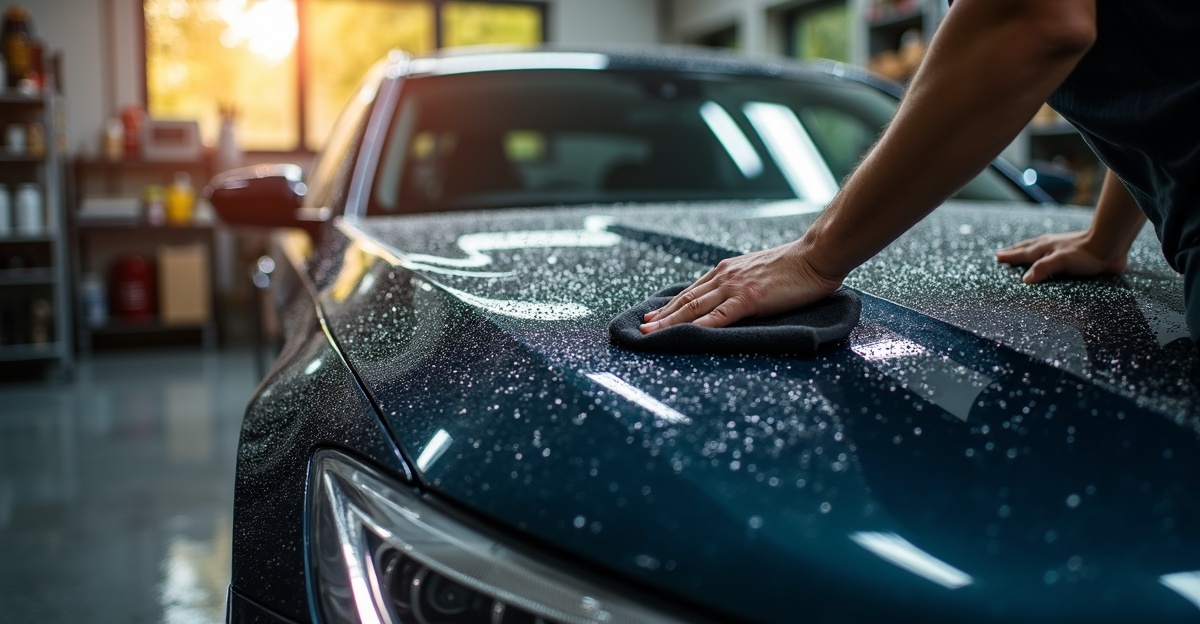
- It adds hydrophobic properties, meaning water beads up and sheets off the surface instead of sitting and drying into spots.
- It increases resistance to chemicals like road salt, bird droppings, bug splatter, and tree sap.
- It provides UV resistance, helping slow paint oxidation—especially important in high-elevation areas like Eastern Idaho and Western Wyoming where the sun is intense.
When people ask what ceramic coating does for cars, the most practical benefits include:
- Dirt, mud, and road grime release more easily during washing
- Staining from bird droppings and bug acids is reduced when cleaned promptly
- Road salt is less likely to bond aggressively to the surface in winter
- The paint keeps its gloss longer, which supports resale value
Ceramic coating doesn’t make a vehicle invincible. It makes it easier to maintain and helps preserve its appearance over time.
How Ceramic Coating Works: Bonding, Protection, and Prep
Ceramic coating bonds to the clear coat at a molecular level. Unlike wax, which sits on top of the paint, a ceramic coating forms a chemical bond. That connection is what gives it longer durability.
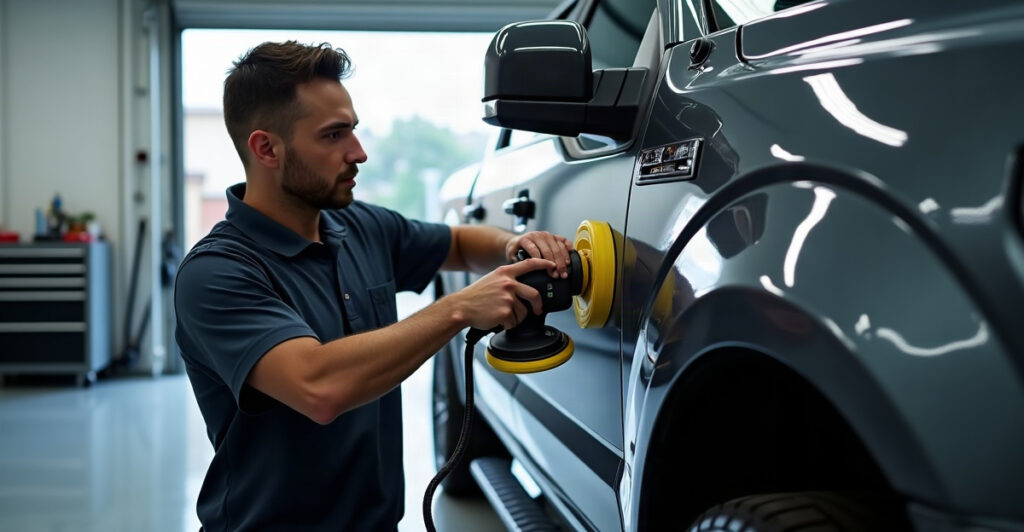
Preparation is the foundation of performance. The process typically includes a thorough wash, chemical decontamination to remove embedded contaminants, mechanical decontamination with clay, and paint correction to remove swirl marks and defects. If the surface isn’t properly prepared, the coating locks in imperfections and won’t perform as intended.
Professional paint correction is often the most important step. The coating protects what’s underneath it. If the paint looks flawless before coating, it will look significantly better after. If it’s neglected, the flaws will remain sealed in.
Once applied and cured, the coating works in a few key ways:
- Hydrophobic behavior helps reduce water spotting and mineral buildup. Water carries dirt away more effectively when it sheets off the surface.
- Chemical resistance slows damage from contaminants such as road salt, brake dust, bird droppings, and bug residue. Quick removal is still necessary, but the coating buys time.
- UV resistance helps reduce oxidation and fading. In regions with strong sun exposure, this added layer matters.
Durability depends on preparation, environment, and maintenance habits. Quality installation and proper care lead to long-term performance measured in years, not weeks.
What Does Ceramic Coating Do on a Car in Everyday Driving?
Ceramic coating shows its value in daily use. It’s not about a showroom look that disappears after a month—it’s about keeping a vehicle cleaner and easier to manage in real conditions.
For daily drivers, especially on gravel or rural roads, mud and dust rinse away more easily. A pressure rinse often removes what would otherwise require aggressive scrubbing.
After winter driving, road salt doesn’t cling as stubbornly. That means quicker washes and less risk of long-term buildup in crevices.
Bug splatter from highway trips releases with less effort. Tree sap is still sticky, but it’s easier to remove without damaging the finish.
Different vehicles benefit in practical ways:
- Trucks and SUVs face constant exposure to mud, gravel, and winter conditions. A dedicated truck and SUV ceramic coating helps manage daily wear and heavy use.
- Motorcycles and boats endure sun, water, and environmental fallout. With motorcycle and watercraft coating, surfaces stay easier to clean after long rides or days on the water.
- RVs sit outside for extended periods. A properly installed RV ceramic coating helps maintain gloss and simplifies seasonal cleaning.
Ceramic coating doesn’t eliminate washing. Vehicles still need proper care. What it does is reduce friction during cleaning and lower the risk of marring from harsh scrubbing. Over time, that difference adds up.
What Ceramic Coating Does Not Do (Realistic Limitations)
Honest expectations matter.
- Ceramic coating is not scratch-proof. Automatic car washes with aggressive brushes can still create swirl marks.
- It is not chip-proof. Gravel roads can still cause rock chips.
- It does not prevent dents or physical damage.
- It is not permanent. Even high-quality coatings gradually wear based on miles driven, climate, and maintenance.
Ceramic coating also doesn’t replace paint protection film (PPF). PPF is thicker and designed to absorb physical impacts. Ceramic coating focuses on chemical resistance, UV protection, gloss, and easier cleaning. For high-impact areas like front bumpers and rocker panels, film often makes more sense.
Maintenance remains necessary. Proper washing techniques, periodic inspections, and occasional decontamination help preserve performance. Skipping maintenance shortens lifespan.
Clear communication builds long-term trust. It’s better to explain limitations upfront than overpromise and disappoint later.
Ceramic Coating vs. Wax, Sealants, and Paint Protection Film
Different protection options serve different purposes.
- Wax sits on top of the paint. It provides shine and light protection but typically lasts weeks to a few months.
- Sealants are synthetic and last longer than wax, but they still wear down in a relatively short time.
- Ceramic coating chemically bonds to the clear coat. With proper preparation and maintenance, durability is measured in years. Maintenance is simpler, and gloss remains more consistent.
- Paint protection film is thicker and impact-resistant. It’s built to absorb rock chips and minor abrasions in high-risk areas.
From a cost perspective, wax is cheaper upfront but requires frequent reapplication. Ceramic coating has a higher initial cost but reduces the need for repeated protection. Film generally costs more than coating due to material and installation complexity.
For most daily drivers, ceramic coating is ideal for environmental and chemical protection. For high-impact areas, PPF is often the better solution.
How Long Ceramic Coating Lasts and Who It’s Best For
How long does ceramic coating last? The honest answer is that it depends.
Lifespan is influenced by surface preparation, product quality, environmental exposure, and maintenance habits. With proper installation and care, high-quality coatings last several years. They are not monthly or seasonal products.
Ceramic coating makes the most sense for:
- New vehicles where the paint is in excellent condition
- High-value or specialty vehicles where preserving appearance matters
- Daily drivers exposed to road salt, UV radiation, and year-round conditions
- Vehicles parked outside most of the time
There are situations where it may not be necessary. An older vehicle with heavily neglected paint may require significant correction before coating. Some owners may prefer basic protection if they plan to sell soon.
A professional auto ceramic coating service works best when expectations align with actual benefits. For questions or a consultation, reaching out through the contact page allows for a straightforward discussion about vehicle condition, driving habits, and long-term goals.
Clear information leads to better decisions. That’s how long-term protection should be approached.