What Does Paint Correction Do for Your Car?
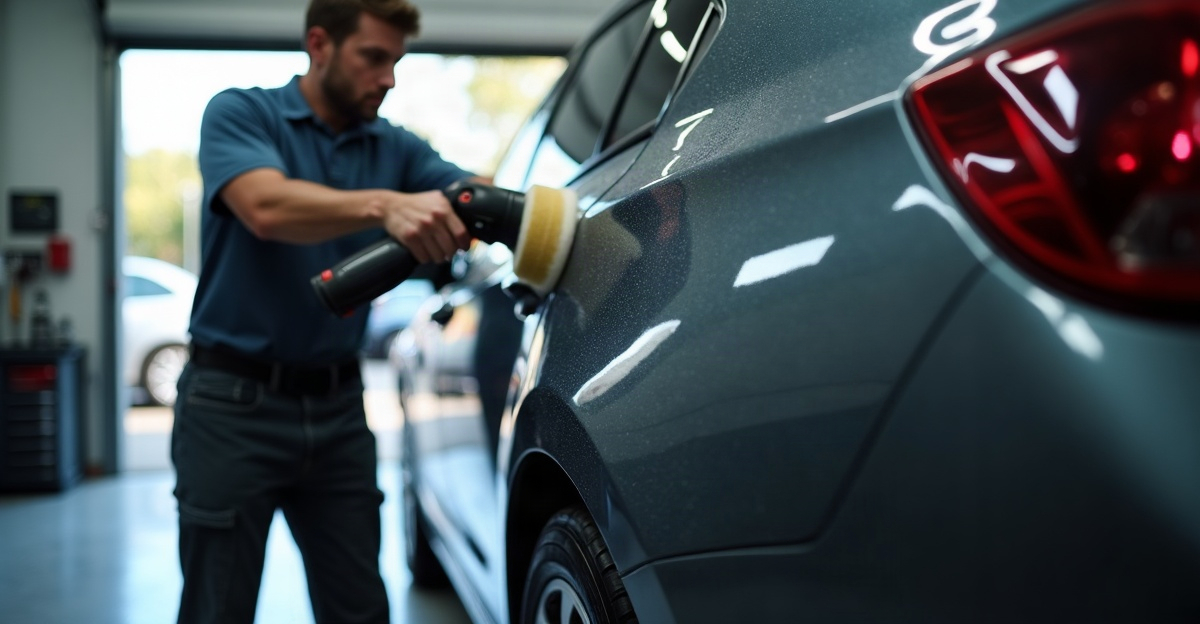
Paint correction uses controlled machine polishing to level clear-coat imperfections. It reduces swirl marks, light scratches, haze, oxidation, and dullness. This process creates clearer reflections and deeper gloss. Paint correction can greatly improve a vehicle’s appearance. However, it can’t safely remove deep scratches, replace missing paint, repair dents, or correct peeling clear coat.
Key Takeaways
- Paint correction removes a small, controlled amount of clear coat to smooth defects instead of adding new paint.
- We use professional inspections, paint-depth readings, and test spots to select the safest correction method for each vehicle.
- Compounding removes heavier defects, while polishing refines the finish and improves clarity, gloss, and reflections.
- Paint condition, thickness, prior repairs, and realistic defect-removal goals determine the right correction level.
- We often complete paint correction before ceramic coating. The coating protects the improved finish, but it won’t hide existing defects.
How Paint Correction Improves a Vehicle’s Appearance
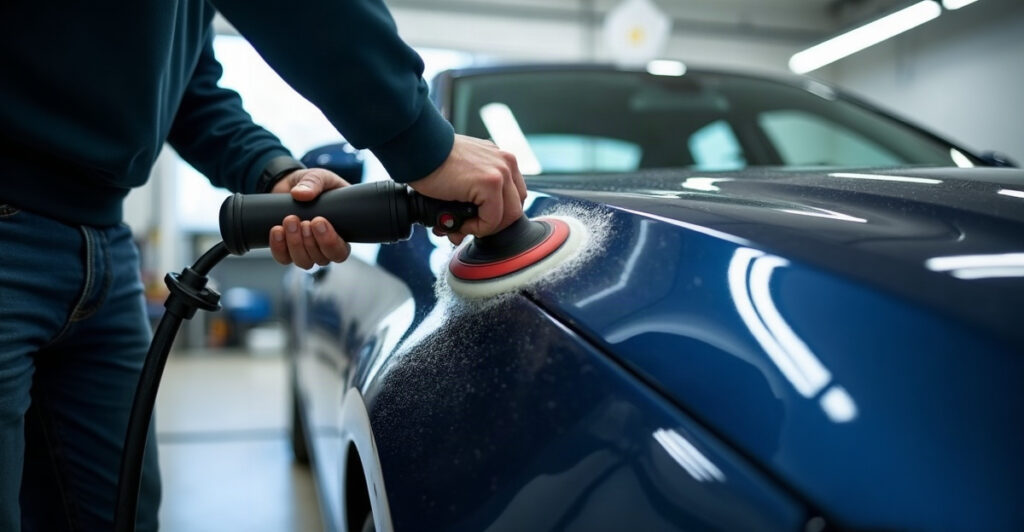
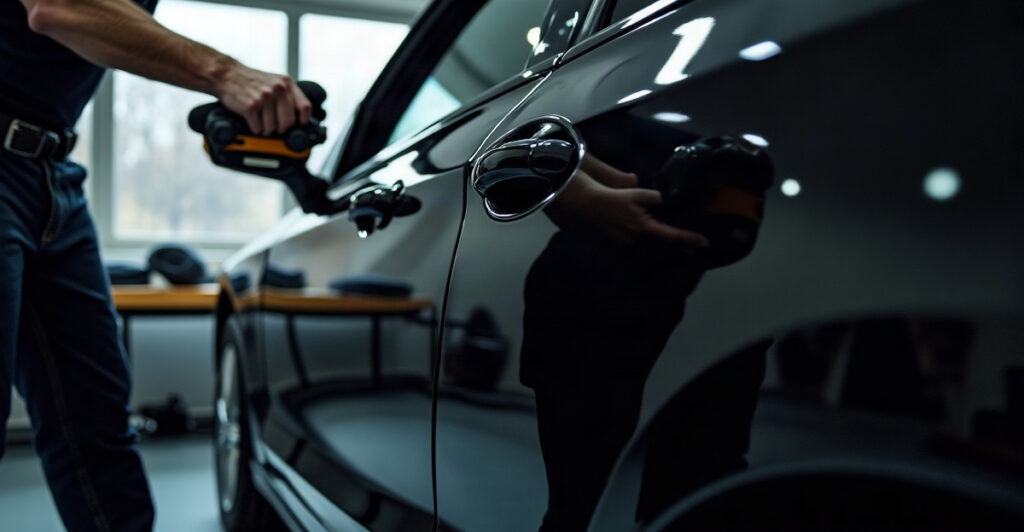
Paint correction uses controlled machine polishing to reduce visible paint defects and restore a cleaner, sharper finish. We improve paint clarity, depth, gloss, and reflection by leveling the clear coat around surface imperfections.
The clear coat is the transparent top layer over the vehicle’s colored paint. During paint correction, we remove a very small and controlled amount of this layer. We do not add paint to the vehicle. Instead, we carefully smooth the uneven clear-coat surface that causes light to scatter and makes paint look dull or scratched.
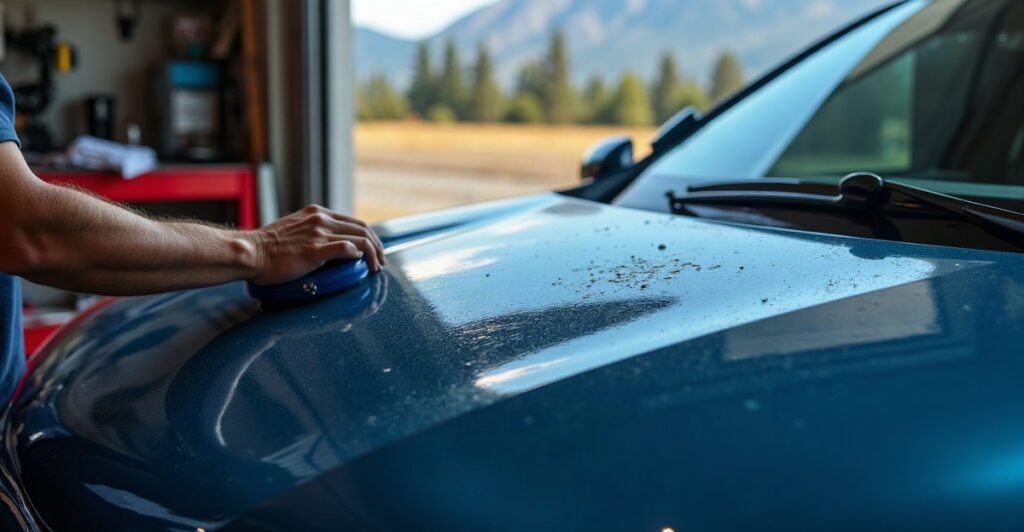
Common issues that paint correction can improve include swirl marks, light scratches, haze, oxidation, water-spot etching, wash marring, and overall dullness. The improvement can be substantial, especially on dark paint where reflections show every defect.
Results still need to match the condition of the vehicle. Correction can greatly improve gloss and reduce many defects, but it cannot safely remove every scratch. Severely damaged paint may not become permanently flawless. Our goal is meaningful, safe improvement without taking unnecessary risks with the clear coat.
What Paint Correction Cannot Repair
Paint correction works on defects in or near the surface of the clear coat. It does not replace missing paint, repair dents, fix rock chips, or stop clear-coat peeling. Those issues require other repair methods.
Light clear-coat scratches may improve significantly because polishing can level the paint around them. Deep scratches are different. If a scratch reaches the base coat, primer, or bare metal, it remains too deep to safely polish away. In those cases, touch-up paint may make the damage less noticeable, while paint refinishing may provide the proper repair.
Clear-coat failure, peeling paint, badly damaged panels, and severe water-spot etching can also require paint refinishing rather than polishing. A responsible professional paint correction service starts with an honest assessment. If the vehicle has limited clear coat, thin paint, prior repairs, or serious damage, we recommend a conservative correction plan.
We do not promise perfection where the paint condition does not support it. Safe work always matters more than chasing an unrealistic result.
What Happens During a Professional Paint Correction Service
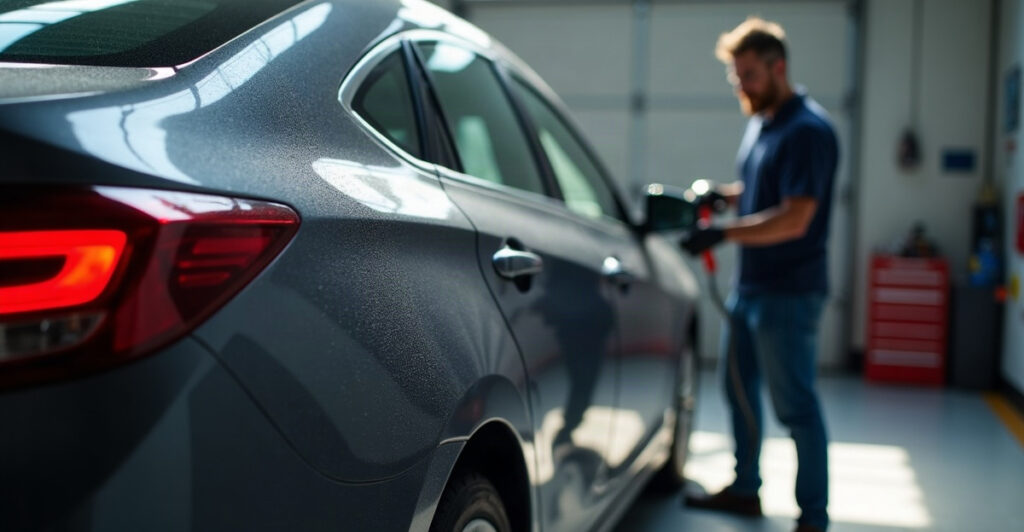
A professional paint correction service begins with a paint inspection. We assess the vehicle’s paint condition, previous refinishing work, visible defects, and the amount of correction the paint can safely handle.
Clear coat provides the gloss seen on a finished vehicle and helps protect the colored paint underneath. Defects such as swirl marks and light scratches disrupt that smooth surface. Proper correction improves the surface so it reflects light more evenly.
Inspection, Cleaning, and Test Spots
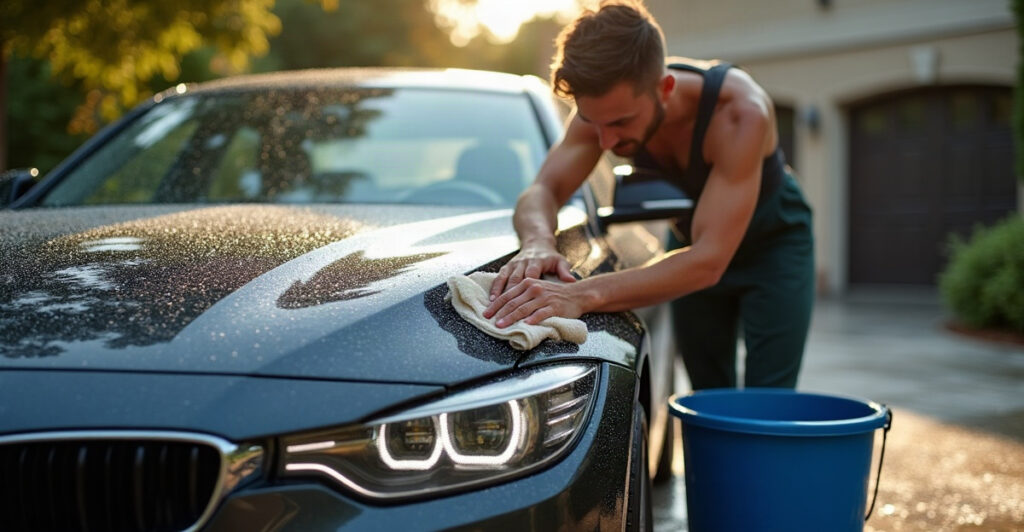
We properly wash and decontaminate the vehicle before polishing. Washing removes loose dirt, road film, and bonded contamination. Paint correction addresses defects that remain on or within the clear coat after that cleaning process.
Paint-depth readings can help us understand paint thickness and identify panels that may have been refinished. We also use test spots to find the safest effective mix of pad, polish, and machine settings. This step helps avoid overworking the paint while confirming what level of defect removal is realistic.
Compounding and Polishing
Compounding is the stronger correction step. We use it when heavier defects require more cutting action. Polishing is the refining step that improves clarity, gloss, and reflection after compounding or as a stand-alone service for lighter defects.
Some vehicles need only a light polish. Others benefit from a more involved process. The right approach depends on the paint inspection, not a fixed package or a one-size-fits-all promise. Learn more about our paint correction service and how we evaluate each vehicle before work begins.
Choosing the Right Level of Correction for a Car
Paint correction should fit the vehicle’s paint condition, age, paint thickness, previous repairs, and appearance goals. A newer vehicle with mild wash damage may respond well to a one-step paint correction or light polish. This practical service can reduce light swirls, haze, and reduced gloss without using an aggressive process.
An older or heavily used vehicle may need multi-step paint correction. This process can reduce more noticeable swirl marks, scratches, oxidation, and marring. It generally takes more time because we compound where needed, then refine the finish through polishing.
Some paint has clear limitations. Thin paint, deep scratches, prior refinishing, rock chips, and clear-coat damage can make conservative correction the better choice. Professional detailing means recognizing those limits instead of pushing the paint too far.
Before approving work, we recommend asking what percentage of defect removal is realistic for the specific vehicle. A clear estimate of expected results helps set the right expectations. Paint can look dramatically better without being presented as perfect.
Why Paint Correction Is Often Done Before Ceramic Coating
Paint correction before ceramic coating gives the coating a cleaner, clearer surface to protect. Ceramic coating does not remove existing swirl marks, scratches, haze, or oxidation. In many cases, applying a coating over defects can make them easier to see because the coating adds gloss and reflection.
Each service has a different role. Washing removes surface contamination. Paint correction improves paint clarity and gloss. Wax, sealant, and ceramic coating provide different levels of paint protection after the surface is prepared.
A ceramic coating can help preserve a corrected finish and make routine cleaning easier. It does not make paint scratch-proof, and it cannot eliminate the need for correction when defects already exist. For a clear explanation of protection limits, see ceramic coating and scratches.
Correcting the paint first allows us to protect the appearance we want to maintain. Our auto ceramic coating service is a strong option after proper paint preparation, especially for vehicles that need long-term gloss, easier maintenance, and reliable protection.
How Long Paint Correction Results Last and When It Makes Sense
How long does paint correction last? The visual improvement can last for years, but the paint can still develop new defects through normal use. Automatic car washes, dirty wash mitts, poor drying methods, road debris, and improper washing tools can create fresh swirl marks and light scratches.
Paint correction improves the current condition of the paint. It does not prevent future scratches or damage on its own. Consistent paint protection and proper washing habits make the biggest difference after the service.
Paint correction makes sense when we want to improve a vehicle’s appearance, prepare it for ceramic coating, refresh a newer vehicle with light swirls, or improve resale presentation. It is also a practical choice for owners who value a deeper gloss and cleaner reflections but want realistic guidance about the paint’s limits.
For dependable paint correction maintenance, use clean wash media, safe drying towels, and careful wash methods. Avoid automatic car washes with abrasive brushes whenever possible. Our guide to ceramic coating maintenance also covers habits that help protect a corrected finish.
Before choosing a service, ask about the paint inspection, paint thickness, correction options, expected results, limitations, and recommended maintenance. We focus on safe, meaningful defect reduction and lasting gloss instead of exaggerated promises of permanent perfection.