Is Ceramic Coating Safe for Your Car’s Paint?
Ceramic coating is safe for a car’s paint when we apply it to paint in suitable condition and follow the correct preparation, application, and curing process. It adds a protective layer that boosts gloss, simplifies cleaning, and resists certain contaminants. It won’t replace or alter healthy clear coat.
Key Takeaways
- Ceramic coating is generally safe for factory paint, clear coat, repainted panels, and specialty surfaces when we match the product and process to the material.
- It won’t repair paint defects, stop rock chips or deep scratches, or remove the need for routine washing and drying.
- Proper inspection, decontamination, paint correction where needed, even application, and correct curing prevent most coating problems.
- Coatings can make existing swirls, scratches, and other defects more noticeable, so we assess paint condition before installation.
- Regular safe washing and prompt removal of minerals, salt, bugs, bird droppings, and other contaminants help protect both the coating and the paint beneath it.
The Short Answer: Ceramic Coating Is Generally Safe When Properly Applied
Ceramic coating is generally safe for a vehicle’s paint and clear coat when we inspect, prepare, apply, and cure the correct product correctly. It forms a thin, durable protective layer over the prepared clear coat or another compatible surface.
For anyone asking, “is ceramic coating safe” or “is ceramic coating safe for cars,” the answer is yes in most cases. A properly installed coating bonds to the surface. It does not replace clear coat or permanently alter healthy factory paint. Ceramic coating is safe on cars when the paint condition, surface type, product, and application process all match.
Ceramic coating does not repair damaged paint, remove existing defects, make paint immune to scratches, or eliminate regular washing. It also cannot stop every type of chemical damage, staining, impact, or weather exposure. Its purpose is long-term protection, improved resistance, easier cleaning, and a cleaner-looking finish.
Most coating problems come from poor preparation, surface contamination, incorrect product use, uneven application, high spots, or improper curing. They do not usually result from a correctly selected and installed coating itself. We explain what ceramic coating does clearly so expectations stay realistic from the start.
A coating can help preserve a well-kept vehicle’s appearance and support its overall condition. It cannot guarantee a higher resale value. If the question is, “can ceramic coating damage clear coat,” the concern should focus on installation quality and the current condition of the finish.
How Ceramic Coating Works—and What It Can and Cannot Protect Against
Clear coat is the transparent top layer over most modern automotive paint. It provides gloss and helps protect the colored paint beneath it. Ceramic coating adds a sacrificial layer over that prepared clear coat. It does not replace the factory paint system.
Ceramic coating protection commonly includes stronger gloss, easier cleaning, water-repelling behavior, and improved resistance to some environmental contamination and chemicals. A hydrophobic ceramic coating causes water to bead and shed more easily, which can reduce how much dirt sticks during normal use.
Resistance does not mean complete prevention. Ceramic coating does not reliably prevent rock chips, deep scratches, impacts, every swirl mark, UV damage, chemical damage, staining, or etching. For a direct explanation of scratch protection limits, it helps to separate surface resistance from impact protection.
Ceramic coating water spots can still occur. Water may bead and roll away, but minerals remain when water evaporates. Hard water, sprinklers, rain, and improper drying can leave deposits that need prompt attention.
Winter road grime, salt, de-icing chemicals, dust, highway miles, outdoor storage, and recreational use still affect coated vehicles. A coating is not an invincible barrier against abrasive washing, neglect, harsh chemicals, or mineral-heavy water. It helps make proper care easier; it does not replace proper care.
Paint Condition Comes First: Ceramic Coating vs. Paint Correction
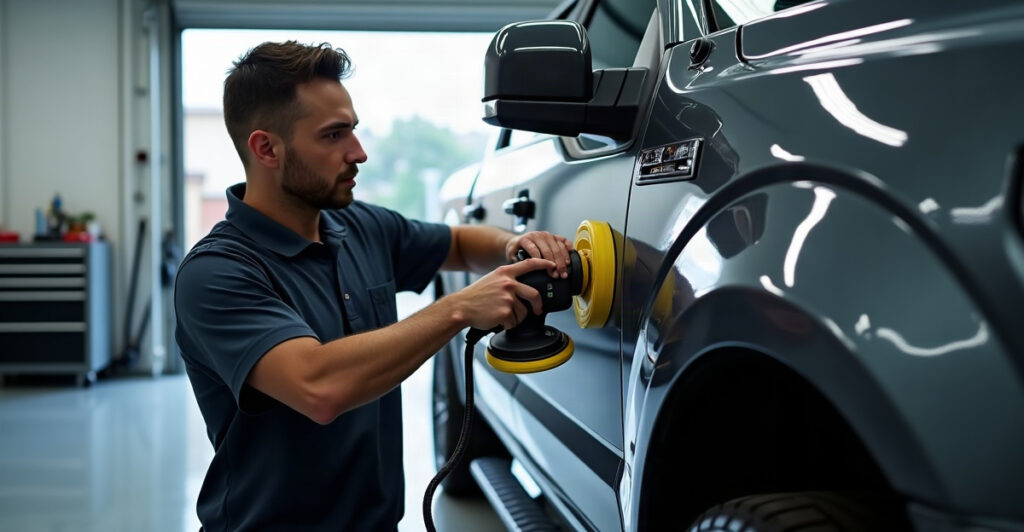
Ceramic coating vs paint correction is not an either-or choice. They perform different jobs. Paint correction uses machine polishing and appropriate abrasives to reduce swirl marks, oxidation, light scratches, and some etching. Ceramic coating protects the appearance already present after preparation.
A coating does not hide scratches or swirl marks. It can make existing defects more noticeable because it adds gloss and clarity, especially in direct sunlight. Paint correction before ceramic coating depends on paint condition and the expected finish, but every vehicle needs a condition assessment.
During an inspection, we evaluate paint condition, bonded contamination, swirl marks, oxidation, possible repaint work, and owner expectations. Older or neglected vehicles may need restoration, repair, or correction before coating becomes a sound investment. Significant clear-coat peeling, rust, severe paint failure, or body damage should be repaired first.
Ceramic coating on older cars and ceramic coating on repainted panels can be safe, but we assess repair quality, paint curing history, current condition, and product compatibility first. Our paint correction service addresses visible defects before a coating locks in the final appearance.
What Can Go Wrong—and How Proper Preparation Prevents It
The coating itself is rarely the direct cause of paint damage. Problems usually trace back to skipped preparation steps, poor application conditions, or an unsuitable product for the surface.
Decontamination removes bonded contaminants that normal washing cannot remove. High spots are areas where excess coating dries unevenly. They can look darker, streaky, oily, or rainbow-like. Correcting high spots or other installation defects may require careful polishing by a qualified professional.
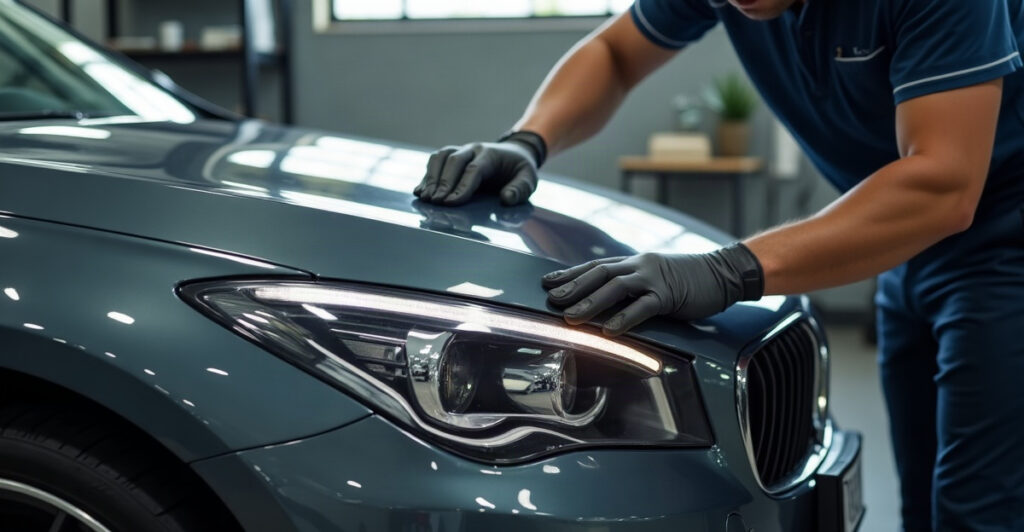
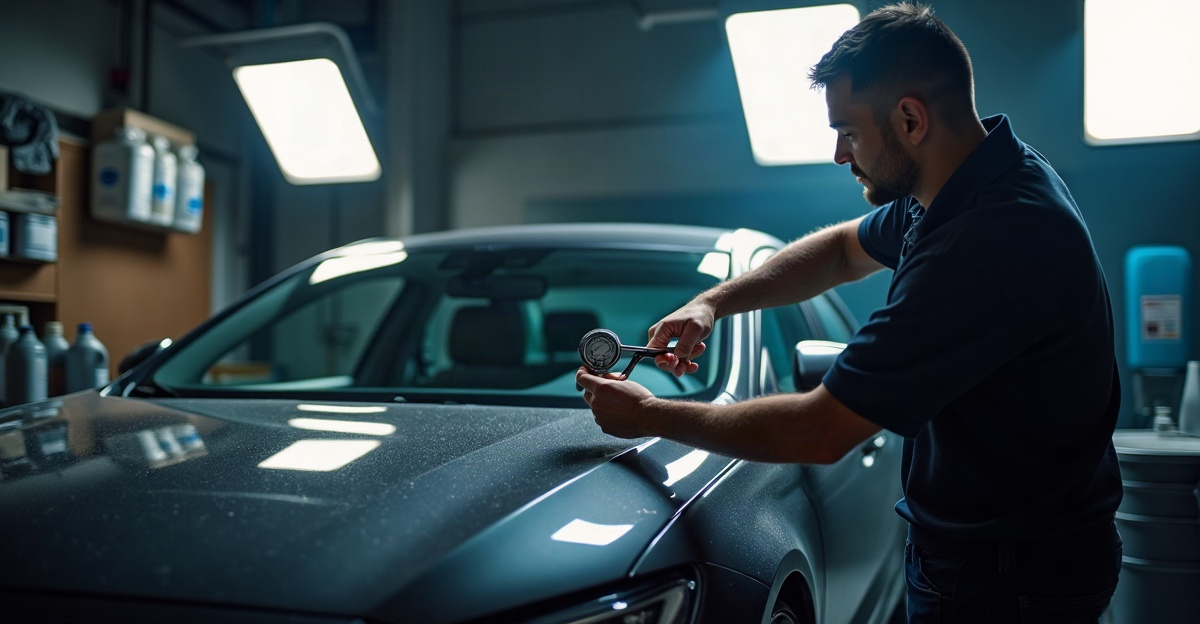
A sound ceramic coating application process starts with inspection and washing. We then complete chemical or mechanical decontamination as needed, correct paint where appropriate, prepare the panels, apply the coating in controlled conditions, level it evenly, and allow it to cure. Exact steps vary based on the vehicle, coating system, and surface material.
Curing is the period when the coating hardens and bonds fully to the prepared surface. During this stage, aftercare matters. We recommend following coating cure time guidance before exposing the vehicle to rain, washing, or harsh conditions.
DIY vs professional ceramic coating comes down to preparation knowledge, work conditions, and expectations. DIY products can be applied safely when directions are followed closely. Professional installation brings paint inspection, proper decontamination, correction options, controlled application, high-spot detection, and clear aftercare guidance. Professional work improves consistency, but no service can promise an indefinitely flawless finish.
When Ceramic Coating Is a Good Fit—and When Another Option Comes First
Ceramic coating is often a good fit for new or well-maintained vehicles, vehicles with correctable defects, and owners who want easier washing with long-term appearance support. The right process can work on cars, trucks, SUVs, RVs, motorcycles, watercraft, and recreational vehicles when the product suits the surface.
It may not be the right first step for peeling clear coat, rust, serious paint failure, body damage, or vehicles that cannot receive routine care. Owners focused mainly on rock chips, deep scratches, and impacts should consider paint protection film for rock chips. Film generally provides the stronger impact barrier, while ceramic coating focuses on appearance, easier cleaning, and chemical and environmental resistance.
Ceramic coating matte paint, ceramic coating vinyl wrap, and ceramic coating plastic trim each require surface-specific product choices and methods. Repainted panels and specialty finishes also need professional review before treatment. Our truck and SUV coatings account for the larger surfaces and real-world exposure these vehicles often face.
| Option | Primary Purpose | Strengths | Limitations | Maintenance | Best Fit |
|---|---|---|---|---|---|
| Ceramic coating | Appearance and surface resistance | Gloss, easier cleaning, water repellence | Does not stop impacts or rock chips | Regular safe washing | Long-term finish care |
| Wax | Short-term shine and protection | Simple application, warm appearance | Shorter durability | Frequent reapplication | Basic routine care |
| Paint sealant | Synthetic surface protection | Good durability and ease of use | Less lasting protection than many coatings | Periodic reapplication | Practical mid-range care |
| Paint protection film | Impact protection | Strong defense against chips and impacts | Higher cost and limited coverage choices | Routine washing | High-impact areas |
For a fuller ceramic coating vs wax comparison, see wax versus ceramic coating.
Durability and Maintenance: What Owners Should Realistically Expect
How long does ceramic coating last? Durability depends on product quality, preparation, application, mileage, storage, climate, outdoor exposure, wash habits, and maintenance. Ceramic coatings provide long-term protection, but their performance changes with use and care.
Washing a ceramic coated car remains necessary. Road grime, salt, bugs, bird droppings, tree sap, and mineral deposits should not sit on the surface for extended periods. Use safe wash methods, clean wash media, and suitable vehicle-care products. Drying thoroughly helps reduce hard-water spotting.
Automatic brush washes can diminish coating performance and may damage the finish through abrasive contact. Safer wash methods are generally preferred. Harsh chemicals, rough towels, neglected contamination, and poor washing techniques can affect both the coating and the paint beneath it.
We recommend regular inspections and early attention to contamination. Follow the manufacturer’s aftercare instructions, especially during curing, and review our guidance on ceramic coating maintenance for practical care steps.
Whether ceramic coating is worth it depends on the vehicle’s current finish, how it is used, the desired protection level, and the willingness to maintain it. For a clear recommendation based on paint condition and protection goals, we can provide a straightforward vehicle assessment through our contact page.