Does Ceramic Coating Work on Cars? Benefits and Results
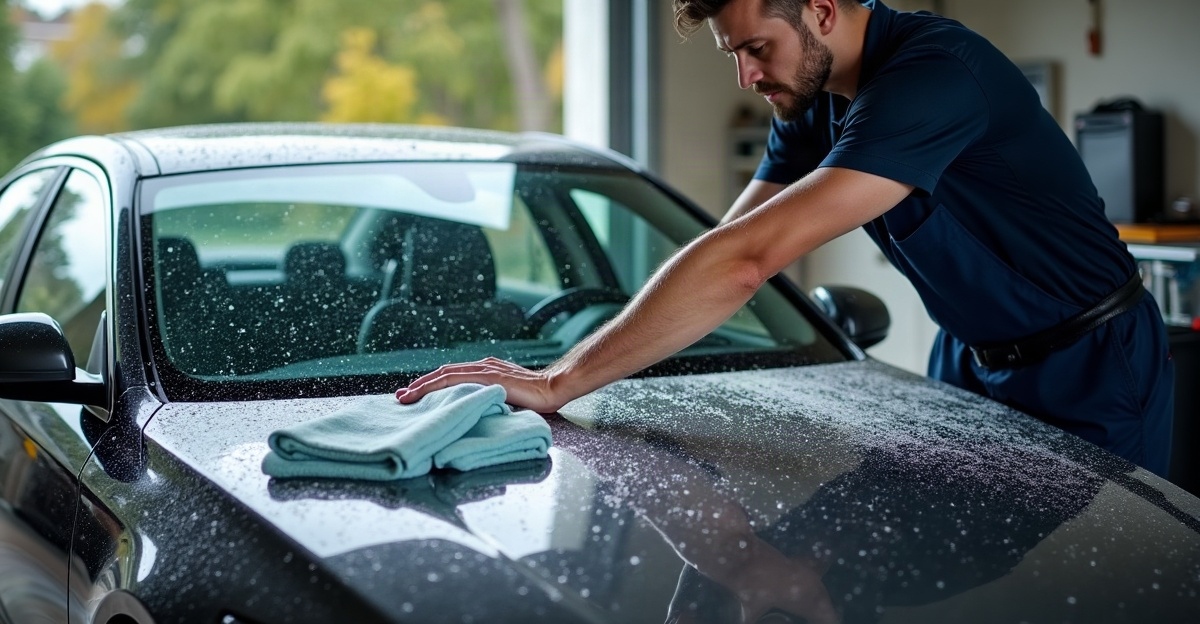
Ceramic coating works on cars. It bonds a thin protective layer to compatible surfaces. This layer improves gloss, water behavior, and routine cleaning. It also helps resist light chemical exposure and common contaminants.
We achieve the best results through proper paint preparation and safe, consistent maintenance. Ceramic coating won’t stop rock chips, deep scratches, or every water spot.
Key Takeaways
- Ceramic coating helps us remove dirt, bugs, road film, and grime more easily. It reduces the need for aggressive scrubbing.
- Hydrophobic beading and sheeting can decline as contamination builds up. Proper washing and decontamination can often restore performance.
- A coating improves a corrected finish. It won’t remove existing swirl marks, oxidation, scratches, or etching.
- Ceramic coating provides chemical resistance and UV protection. It doesn’t replace paint protection film on impact-prone areas.
- Durability depends on preparation, installation quality, driving and storage conditions, wash methods, and ongoing care.
The Short Answer: Ceramic Coating Works, but It Is Not a Force Field
Ceramic coating works on cars by creating a durable chemical protective layer that improves gloss, water behavior, and routine cleaning. The most practical ceramic coating results include easier bug removal, less stubborn dirt, enhanced gloss, and faster washing.
A properly applied coating adds hydrophobic protection and helps limit contact with certain environmental contaminants and light chemical exposure. It makes painted surfaces easier to clean, but it does not stop vehicles from getting dirty. Safe washing still matters.
We set clear expectations before every application. Ceramic coating is not scratch-proof, bulletproof, or rock chip protection. It will not prevent deep scratches, abrasion, collision damage, or damage from road debris. For a clear overview of the finish benefits, read what ceramic coating does.
How Ceramic Coating Bonds to a Car and Changes Water Behavior
Understanding how ceramic coating works starts with the automotive clear coat. The coating bonds to paint and other compatible exterior surfaces, forming a very thin protective layer. It is not a thick physical barrier like paint protection film.
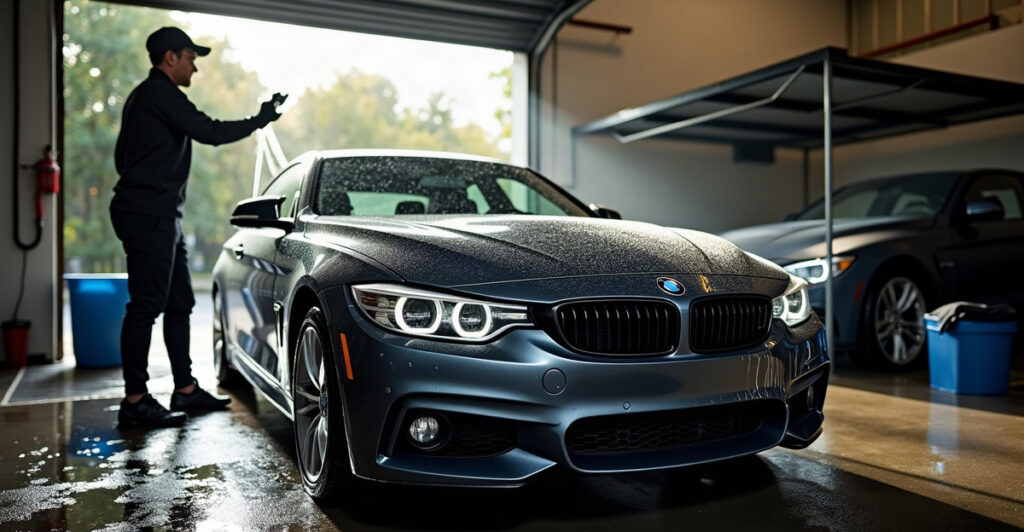
A hydrophobic ceramic coating changes how water behaves on the surface. Water may bead or sheet more readily, which helps carry away some loose dirt and makes washing and drying easier. This behavior can reduce the time needed to clean a well-maintained vehicle.
Water beading and sheeting can weaken when the coating becomes covered with mineral deposits, traffic film, oils, or other contamination. That does not always mean the coating has failed. Proper washing, decontamination, and occasional maintenance can restore much of its performance. Our ceramic coating maintenance guide explains how to care for coated surfaces without causing unnecessary wear.
Results depend on the condition of the paint underneath, coating type and prep quality, installation quality, vehicle use, storage, and wash habits. We do not present coatings as permanent or maintenance-free because real vehicles face real conditions every day.
Real-World Benefits: What Owners Can Expect Day to Day
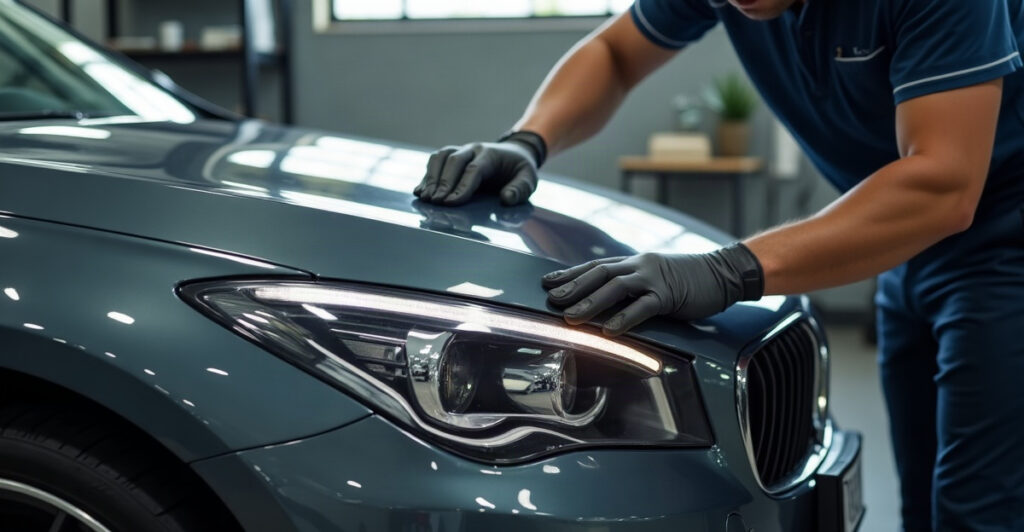
Ceramic coating gloss can make paint appear deeper, cleaner, and more reflective, especially after proper surface preparation. A coating does not replace good paint, but it can make a corrected finish look its best and stay easier to maintain.
Reduced dirt adhesion is one of the most useful ceramic coating benefits. Road film, grime, bugs, bird droppings, and similar contaminants often release more easily when they are removed promptly. That means less aggressive scrubbing and a lower chance of adding wash-induced marks.
For Eastern Idaho ceramic coating and Western Wyoming ceramic coating customers, the benefits are especially practical. Road salt, winter grime, gravel roads, UV exposure, hard-water spotting, insects, and outdoor recreation can leave vehicles looking worn down quickly. A coating helps with cleanup and can provide environmental contaminant resistance, but it does not eliminate the effects of road salt, gravel, mineral-heavy water, or outdoor storage.
Ceramic coating UV protection can help reduce exposure-related wear over time. It also offers resistance to light chemical exposure and common contaminants. Still, prompt cleanup remains important. Bird droppings, bug residue, and hard-water deposits can damage or stain any surface if they sit too long.
For vehicles that see daily work, highway miles, and changing weather, our truck and SUV coating options help simplify regular care while preserving a clean, professional appearance.
What Ceramic Coating Will Not Fix or Prevent
Ceramic coating does not remove swirl marks, oxidation, scratches, etching, or other defects already in the paint. Coating over imperfect paint can improve gloss, but direct light may make existing defects easier to notice.
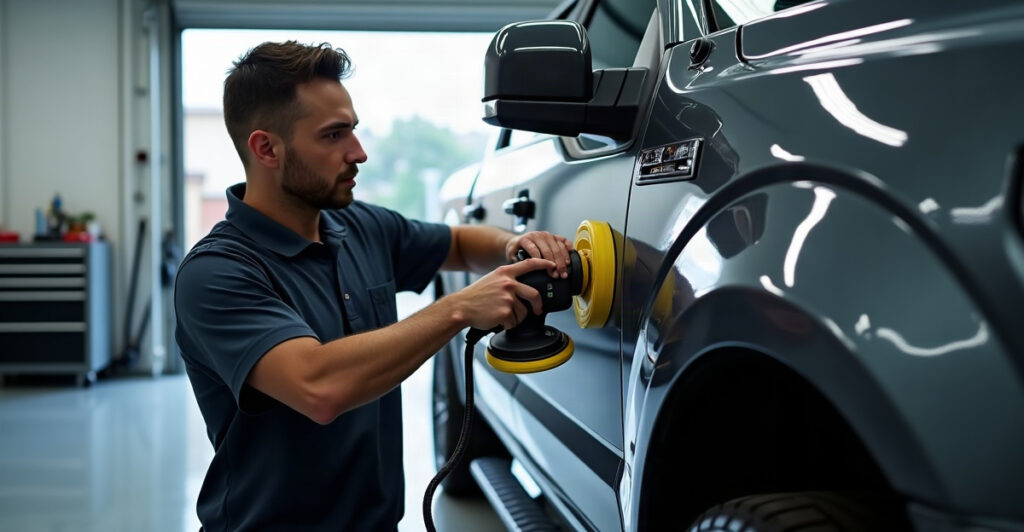
Paint correction before ceramic coating often delivers the strongest visual result. We recommend correcting visible swirls, dullness, oxidation, and prior damage before applying a coating when the goal is a clearer, richer finish. Our paint correction services address those defects before they are sealed beneath a protective layer.
Scratch resistance and scratch-proof performance are not the same thing. Ceramic coatings can help reduce minor wash-related marring in some situations, yet they cannot prevent scratches from brushes, gravel, keys, loading gear, or improper washing. For a direct explanation, see ceramic coating scratch protection.
Ceramic coating versus paint protection film comes down to the type of protection needed. Ceramic coating supports gloss, hydrophobic behavior, and easier maintenance. Paint protection film is better for impact protection from rock chips and road debris. High-risk areas include front bumpers, hoods, fenders, mirrors, rocker panels, and lower door sections.
Ceramic coating water spots are another realistic concern. The coating can make washing and drying easier, but it cannot prevent every water spot. Minerals can still dry onto the surface, particularly with hard water or strong sun. Quick drying and proper washing reduce that risk.
How Long Ceramic Coating Lasts and What Determines Its Durability
There is no single answer to how long ceramic coating lasts. Ceramic coating durability depends on coating type and prep quality, surface condition, climate, storage, driving conditions, wash methods, and consistent ceramic coating upkeep.
A garage-kept vehicle with careful maintenance usually faces fewer challenges than a daily-driven vehicle parked outdoors. Winter grime, gravel roads, automatic brushes, frequent highway travel, and harsh cleaners can all increase maintenance needs and shorten visible performance.
Hydrophobic behavior may decline before the protective layer has fully worn away. Contamination can mask water beading and sheeting, which is why decontamination and maintenance products may be appropriate. Safe wash methods, prompt bug and bird-dropping removal, and periodic inspection help preserve results.
A ceramic coating warranty is not a promise that paint will remain flawless for the full warranty period. It does not cover impacts, neglect, improper washing, or every form of environmental damage. For a practical explanation of service life and care factors, review ceramic coating durability.
Is Ceramic Coating Worth It for Your Vehicle and Ownership Habits?
Whether ceramic coating is worth it depends on expectations, vehicle condition, budget, and maintenance habits. We recommend it for owners who value easier cleaning, enhanced gloss, long-term paint protection, and a finish that stays more manageable through regular use.
A daily-driven truck has different needs than a garage-kept sports car. Ceramic coating for RVs, motorcycles, watercraft, off-road vehicles, and recreational equipment can also make sense because these surfaces often face heavy weather exposure, difficult cleaning, and long periods outdoors. The right choice depends on where the vehicle travels, how it is stored, and which type of damage is most likely.
Choosing the Right Protection
These options serve different purposes:
- Ceramic coating provides durable chemical protection, enhanced gloss, hydrophobic behavior, and easier maintenance.
- Wax provides short-term shine and protection, with more frequent reapplication.
- Sealants generally last longer than traditional waxes but usually do not match a professional ceramic coating’s durability.
- Paint protection film is the stronger choice for rock chips and other impact-prone areas.
- Doing nothing leaves paint more exposed to contamination, UV, road grime, and more difficult regular cleaning.
For a closer comparison, see our guide to ceramic coating versus wax. Owners weighing cost, care requirements, and expected results can also review whether ceramic coating is worth it.
The best result comes from proper preparation, quality workmanship, realistic expectations, and ongoing care. Our professional ceramic coating service focuses on those fundamentals, so the finish performs well in the conditions it actually faces.