What Are the Benefits of Ceramic Coating Your Car?
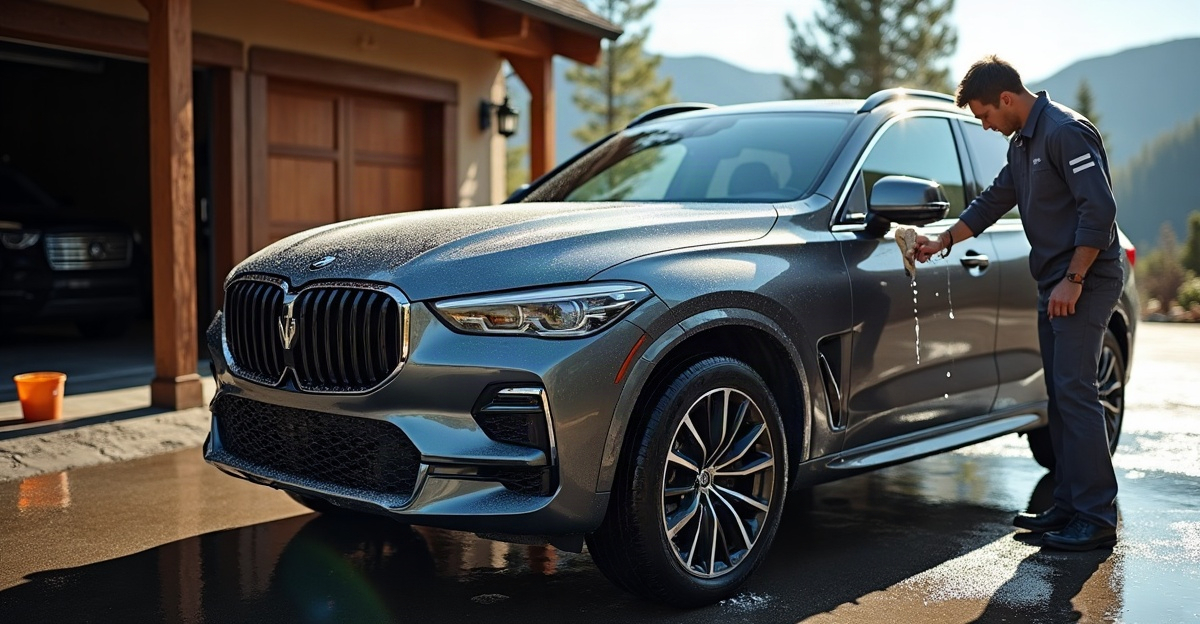
Ceramic coating delivers clear benefits for a vehicle’s finish. A professionally applied coating increases gloss, helps water and fresh road grime release more easily, and adds chemical and UV resistance for lasting paint appearance.
We don’t treat ceramic coating as scratch-proof or chip-proof. We pair it with proper paint preparation, safe washing, prompt contaminant removal, and paint protection film on high-impact areas for the best results.
Key Takeaways
- Ceramic coating creates a glossy, hydrophobic surface. This finish simplifies routine washing and helps the vehicle stay cleaner between services.
- It resists bird droppings, bug splatter, tree sap, road grime, and UV exposure. We recommend removing contaminants quickly to prevent damage.
- Winter road salt, gravel, mud, and outdoor exposure in Eastern Idaho and Western Wyoming still require regular washing and maintenance.
- Ceramic coating won’t stop rock chips, deep scratches, dents, water spots, or damage from poor washing methods.
- Paint correction reduces swirls, haze, and oxidation before coating. Paint protection film provides stronger defense against physical impacts.
The Practical Benefits: Better Gloss, Easier Washing, and More Durable Paint Care
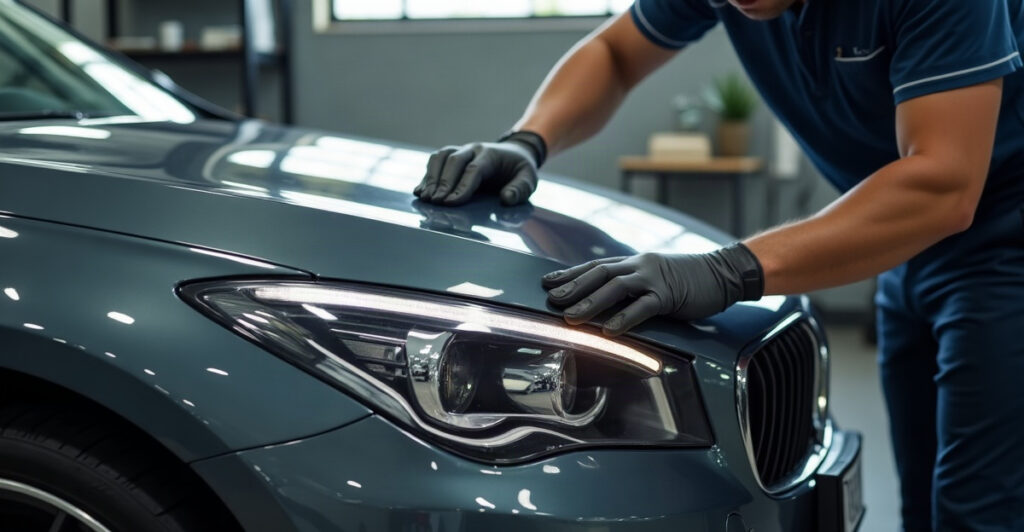
The most visible benefits of ceramic coating are improved gloss, richer paint depth, and a cleaner-looking finish between washes. A quality ceramic coating for cars creates a clear protective layer over the paint that reflects light well and helps preserve a crisp, polished appearance.
Ceramic coating protection also changes how water behaves on the surface. This hydrophobic car coating effect encourages water to bead or sheet away, helping loose dirt and road grime release more easily during proper washing. That means easier car washing, less effort removing fresh contamination, and fewer aggressive cleaning steps.
Good coatings offer useful chemical resistance against common contaminants. Bird droppings, bug splatter, tree sap, mud, road grime, and similar debris can still harm paint if left in place, but a coating can reduce staining risk when we remove those materials promptly. It also provides some UV protection for car paint, which helps support better long-term paint appearance on vehicles stored outdoors.
We set realistic expectations from the start. Ceramic coating gloss lasts longer than a basic wax finish with proper care, but a coating is not permanent, and it does not remove the need for washing. For a closer look at the protective and maintenance benefits, see what ceramic coating does for a vehicle.
Protection That Matters in Eastern Idaho and Western Wyoming
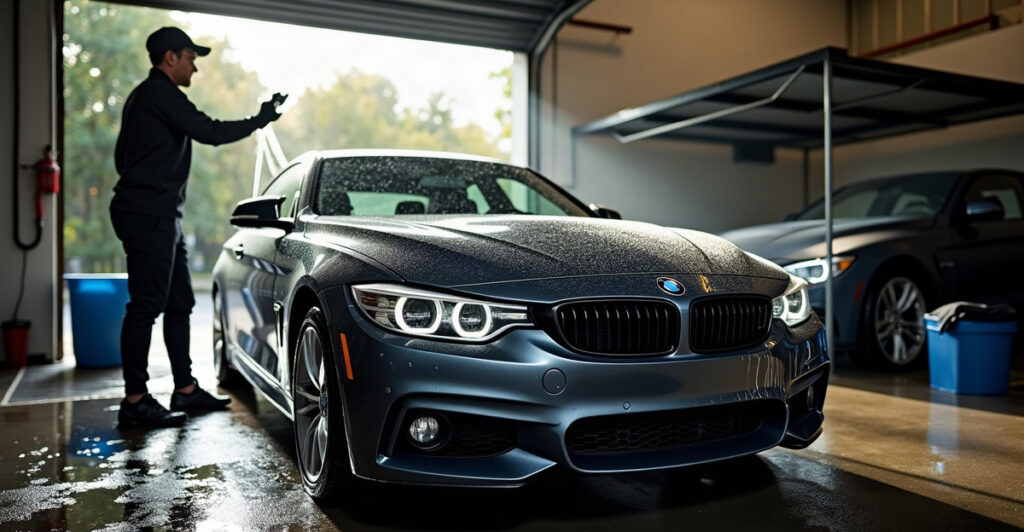
Ceramic coating in Eastern Idaho and Western Wyoming makes practical sense because local vehicles face real exposure all year. Winter road salt, gravel roads, mud, large temperature swings, summer UV exposure, bugs, and outdoor recreation can quickly leave paint looking dull and neglected.
A coating will not block every contaminant, but it can make seasonal buildup easier to remove. Road salt residue, muddy spray, bug splatter, and road grime generally release more easily from a properly coated and maintained surface. This is especially helpful for daily commuters, multi-vehicle households, RV owners, and drivers who keep trucks, SUVs, or cars outside.
Hydrophobic behavior helps water move off paint, glass, and coated exterior surfaces more readily. Still, water spots, mineral deposits, mud, road salt, and other contaminants can accumulate. We recommend prompt washing after salted-road driving, gravel-road travel, or muddy trail use. A coating supports winter car protection, but regular care remains essential for dependable road salt protection for cars.
For trucks and SUVs that see frequent outdoor use, our truck and SUV coating options help simplify cleanup without promising impossible protection. Ceramic coating for gravel roads works best as part of a full maintenance plan that includes safe washing and quick contaminant removal. Learn more about seasonal conditions in our guide to winter vehicle protection.
What Ceramic Coating Does Not Protect Against
Is ceramic coating scratch proof? No. Understanding ceramic coating limitations prevents disappointment and helps us choose the right protection for each vehicle.
A coating can reduce the likelihood of light wash-induced marring because dirt is often easier to remove from the surface. It does not prevent rock chips, deep scratches, dents, collision damage, or marks caused by poor washing methods. Ceramic coating does not repair existing damage, and it will not stop abrasive towels, harsh brushes, or contaminated wash tools from creating swirl marks.
Does ceramic coating prevent rock chips? It does not. Gravel impact and debris strikes require a physical barrier if rock chip protection is the priority. Ceramic coating also does not prevent all ceramic coating water spots. Minerals can dry on any exterior surface, especially when vehicles sit outside or wash water dries in direct sun.
Water beading is useful, but it is not the same as self-cleaning. Rain can carry dust, minerals, and road film onto the paint. Ceramic coating maintenance still includes regular washing with quality products, clean towels, and safe wash methods. We recommend avoiding automatic car washes with harsh brushes, abrasive towels, or poorly maintained equipment. For a detailed explanation of realistic scratch protection, read ceramic coating and scratches.
Why Paint Correction Often Comes Before a Ceramic Coating
A ceramic coating preserves the condition of the paint beneath it. It does not hide swirl marks, oxidation, etching, or deeper defects. In fact, the added ceramic coating gloss can make existing paint flaws easier to notice in direct light.
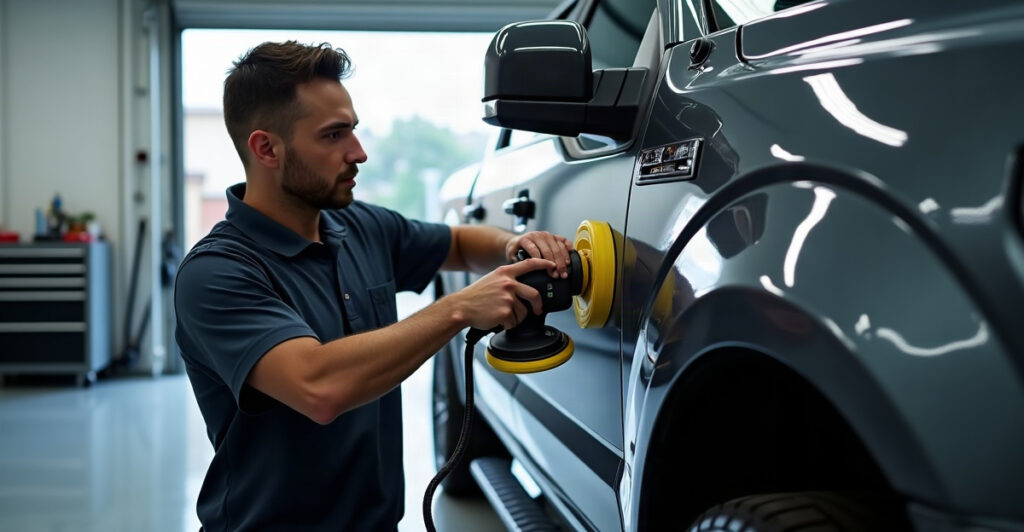
Paint correction before ceramic coating is often the right choice for used vehicles, frequently washed vehicles, and vehicles with visible haze or swirls. During correction, we refine the paint to reduce swirl marks, light scratches, oxidation, and some etching, depending on paint thickness and the depth of the defect.
Paint correction benefits go beyond appearance. Better clarity and smoother paint create a stronger foundation for the coating, allowing the final finish to look cleaner and more consistent. Proper ceramic coating preparation also helps the coating bond correctly and perform as intended over time.
Deep scratches, rock chips, dents, severe etching, and failing paint may need touch-up work, body repair, or repainting. No correction process can safely remove every defect from every vehicle. We assess the paint honestly and recommend the level of paint correction service that fits its condition. Quality preparation and skilled application have a major effect on the result.
Ceramic Coating vs. Wax, Sealants, and Paint Protection Film
Ceramic coating vs. wax is mainly a comparison of durability and maintenance needs. Wax can improve gloss and water behavior, but it usually needs more frequent reapplication. It remains a reasonable option for vehicles that receive regular detailing and do not need long-term protection.
Ceramic coating vs. sealant follows a similar pattern. Paint sealants generally last longer than traditional wax, yet they do not typically provide the same level of durability and chemical resistance as a professionally applied ceramic coating. A coating is a strong fit for long-term appearance protection, easier maintenance, hydrophobic behavior, chemical resistance, and UV support.
Ceramic coating vs. PPF requires a different comparison because each product serves a separate purpose. Paint protection film vs. ceramic coating is not an either-or decision for many vehicles. PPF is generally the stronger option for physical impact protection in high-risk areas, including front bumpers, hoods, mirrors, rocker panels, and areas behind the wheels.
We can combine paint protection film with ceramic coating. Film provides better rock chip protection in vulnerable areas, while ceramic coating can improve gloss, water behavior, and cleaning across painted panels or over the film. For a broader comparison, see ceramic coating versus wax.
When Ceramic Coating Is Worth Considering
Whether ceramic coating is worth it depends on the vehicle’s condition, driving habits, budget, storage, weather exposure, ownership plans, and preferred maintenance level. It is an investment in maintaining paint condition and appearance, not a replacement for careful washing, paint correction, paint protection film, or collision repair.
Ceramic coating cost value is often strongest for owners who plan to keep a vehicle for several years, park outdoors, drive in harsh weather, care about paint appearance, or want routine washing to take less effort. Ceramic coating for daily drivers can be especially practical, as can protection for newer vehicles, well-maintained used vehicles, RVs, trucks, and SUVs used for recreation.
How long does ceramic coating last? Durability depends on coating quality, preparation, installation, climate, storage, mileage, washing habits, and ongoing maintenance. We discuss manufacturer-backed expectations rather than making fixed lifespan promises. Our guide on ceramic coating longevity explains the factors that influence real-world performance.
A professional ceramic coating works best when we match the service to the vehicle and its use. We inspect the paint, discuss the expected maintenance, and provide clear recommendations without pressure. Explore our auto ceramic coating service to determine whether coating protection fits the vehicle’s needs and long-term plans.