Does Ceramic Coating Reduce Heat in Your Car?
Standard exterior ceramic coating doesn’t meaningfully reduce heat inside our car. Most solar heat enters through the windshield and windows. The coating mainly improves paint gloss, simplifies cleaning, and helps resist contaminants.
Key Takeaways
- Exterior ceramic coating doesn’t reliably cool the cabin or block sunlight that enters through vehicle glass.
- Sun exposure, glass area, parking time, vehicle orientation, interior and exterior colors, and outdoor temperature drive cabin temperature.
- Ceramic window tint differs from exterior ceramic coating. It can reduce some solar energy that passes through glass.
- Windshield shades, covered parking, ventilation, and suitable window film offer practical ways to manage heat in a parked car.
- We recommend ceramic coating for exterior paint care, paint protection film for chip resistance, and window tint or shades for heat control and interior UV protection.
The Short Answer: Exterior Ceramic Coating Does Not Meaningfully Cool Your Cabin
Standard exterior ceramic coating does not meaningfully lower cabin temperature. A quality coating can improve paint appearance and make exterior maintenance easier, but it is not a cabin-cooling product.
Exterior coatings can influence how painted surfaces respond to sunlight and environmental contamination. That does not mean ceramic coating reduces heat in a way that makes a parked vehicle noticeably cooler inside. Cabin heat comes mainly from solar energy passing through glass, direct sun exposure, vehicle orientation, parking time, exterior and interior color, glass area, and outside temperature.
Broad marketing language can create the expectation that a coating will keep a vehicle cool. We recommend viewing it for what it does well: exterior appearance, easier cleaning, and long-term support against contaminants. For a clear overview, read what ceramic coating does for a vehicle’s painted surfaces.
Why Cars Get Hot: Heat Through Glass vs. Heat on Paint
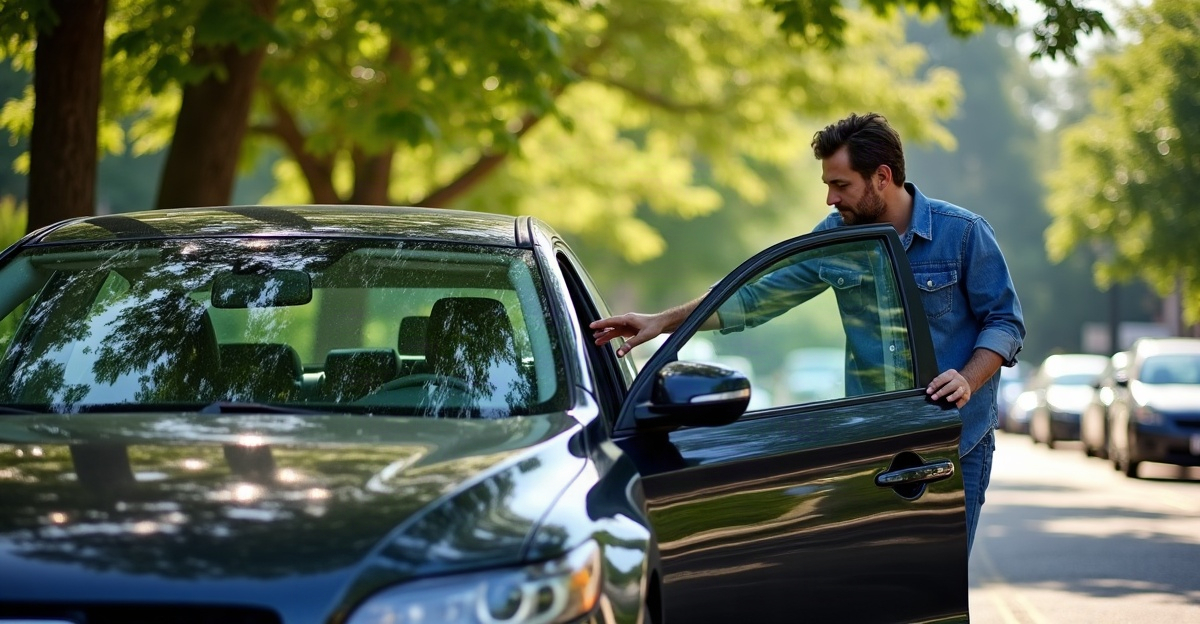
Vehicles heat up because sunlight passes through the windshield and windows, then warms the seats, dashboard, carpeting, and interior trim. Those warmed materials release heat into the cabin. This is the basic greenhouse effect in a parked car.
An exterior paint coating does not block solar energy from entering through the windshield, side windows, or rear glass. Paint color and a coating may affect the temperature of an individual body panel, but that is not a reliable or significant method for reducing cabin temperature.
Real-world cabin heat depends far more on direct sun exposure, ambient temperature, vehicle orientation, parking duration, window tint, total glass area, exterior color, and interior color. High-elevation sunshine, long workday parking, and outdoor recreation in Eastern Idaho and Western Wyoming can make heat and UV exposure feel especially intense. The physics remain the same whether a vehicle is parked at work, at a trailhead, or outside overnight.
What Exterior Ceramic Coating Actually Does for Your Vehicle
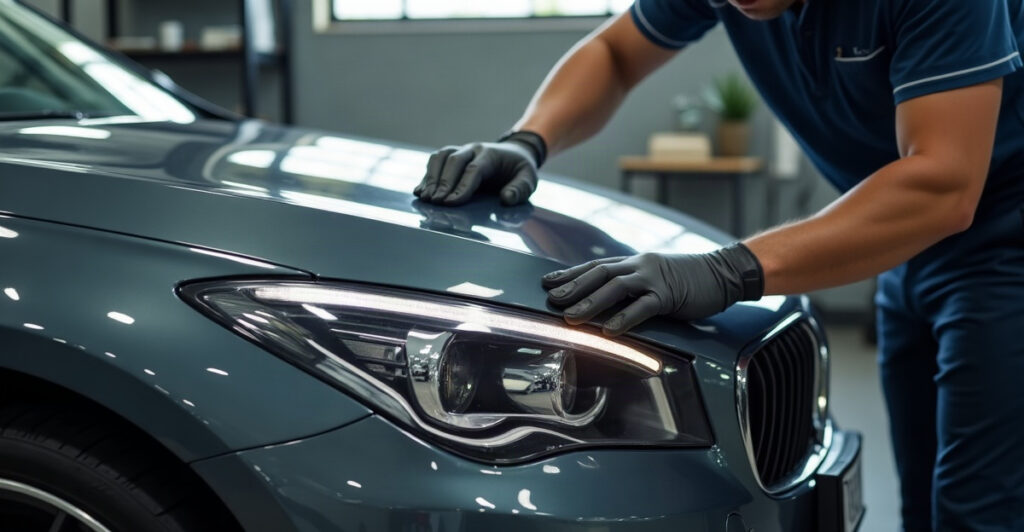
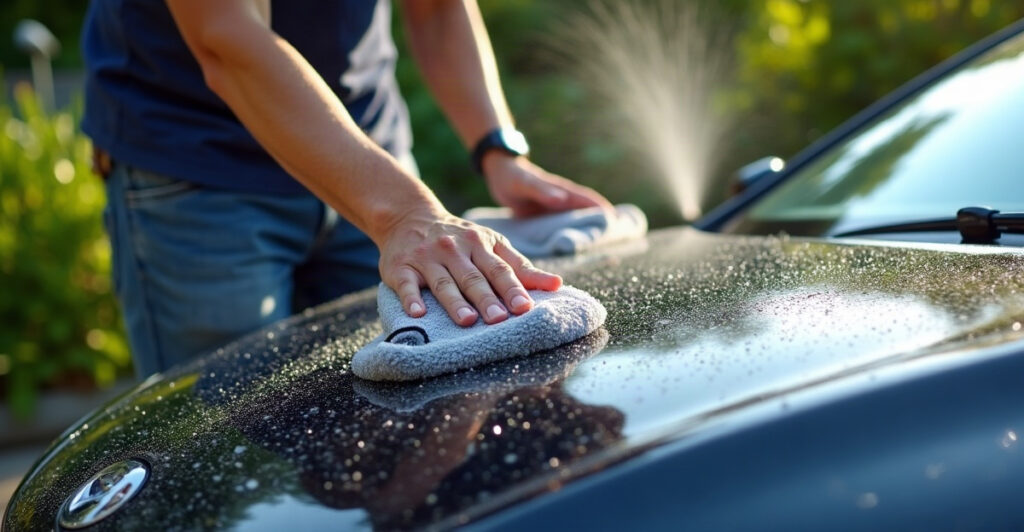
Exterior ceramic coating is a protective product applied to paint and other exterior surfaces. It improves gloss and visual depth, helps water move off the surface, and can reduce dirt adhesion during regular washing. Properly prepared and maintained coatings also add resistance against common contamination, including road grime, bug residue, bird droppings, tree sap, and mineral deposits.
These benefits matter in Eastern Idaho and Western Wyoming, where vehicles often face road dust, winter grime, variable weather, bug buildup, and long periods outdoors. A professional auto ceramic coating helps keep paint easier to clean and supports a well-kept appearance over time.
Coating has clear limits. It does not replace paint correction, stop rock chips, or eliminate the need for washing and proper decontamination. Results depend on surface preparation, product selection, environmental exposure, and ongoing care. Our guide to ceramic coating maintenance explains why routine care protects both appearance and coating performance.
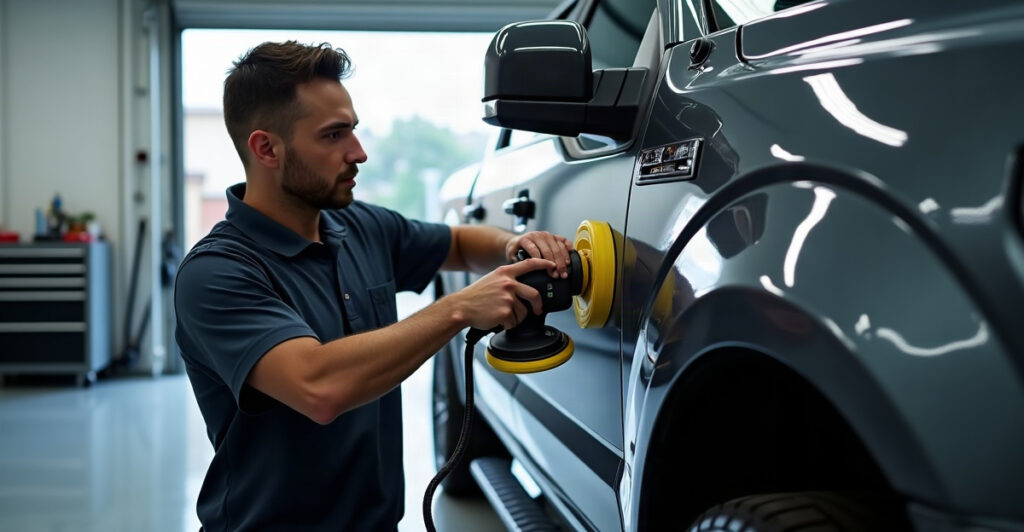
A coating can support exterior paint against contamination and UV-related wear. It does not stop sunlight from coming through vehicle glass and reaching dashboards, upholstery, or interior trim. If paint has swirls, oxidation, or visible defects, paint correction services should come before coating application.
Ceramic Coating vs. Ceramic Window Tint: Similar Name, Different Job
Exterior ceramic coating and ceramic window tint are separate products with different purposes. Exterior coating goes on paint and exterior surfaces to improve gloss, simplify cleaning, and provide chemical and environmental resistance. It does not provide meaningful cabin cooling.
Ceramic window tint, also called ceramic window film, goes on glass. Depending on the specific film, shade, glass coverage, installation quality, and manufacturer-tested specifications, it may reduce some solar energy and infrared heat entering through the windows. Infrared rejection describes a film’s ability to reduce some infrared energy through glass. It has no connection to the paint-protection role of an exterior coating.
The word “ceramic” describes different technologies in these services. It does not mean both products provide the same result. Any window film should meet applicable state and local tint laws. Published film performance figures are product-specific laboratory data, not guaranteed cabin-temperature outcomes under every parking condition.
For paint protection decisions, compare ceramic coating versus wax based on durability, maintenance needs, and the vehicle’s condition rather than expectations of cabin cooling.
What Actually Helps Keep a Car Cooler and Protect the Interior
The best heat-management choices address solar energy through glass and direct sunlight. Ceramic or infrared-rejecting window film, a windshield sunshade, covered parking, brief ventilation before driving, and effective climate-control use can all help. Interior protectants suited to leather, vinyl, dashboards, trim, and upholstery also support long-term material care.
For RVs, trucks, and recreational vehicles, larger glass areas and roof exposure can increase heat buildup. Purpose-built window coverings, insulation, and shades can be especially useful. We can also help protect larger daily drivers through truck and SUV coating options built around exterior care.
| Solution | Primary Purpose | Helps Lower Cabin Heat? | Helps Protect Paint? | Helps Protect Interior UV Exposure? | Key Consideration |
|---|---|---|---|---|---|
| Exterior ceramic coating | Gloss, easier maintenance, contamination resistance | No meaningful effect | Yes | No | Requires proper preparation and regular care |
| Ceramic window tint | Manage solar energy entering through glass | Potentially | No | Potentially | Results vary by film, shade, coverage, installation, and tested specifications |
| Paint protection film | Protect paint from chips, scratches, and road debris | No meaningful effect | Yes | No | Best for vulnerable painted areas |
| Windshield shade | Reduce direct sun on the dashboard and front seating | Yes, while parked | No | Yes, for covered areas | Must be installed whenever the vehicle is parked |
| Covered parking | Reduce direct sun across the vehicle | Yes | Yes | Yes | Availability varies by location |
| Interior protectants | Maintain interior materials | No | No | Supports material care | Use products appropriate for each material |
A ceramic coating may be applied over compatible paint protection film for easier cleaning and added visual depth, depending on the product and service plan. Coating durability also varies by product, exposure, and maintenance, as explained in how long ceramic coating lasts.
Choosing the Right Protection Combination for Your Goals
Choose exterior ceramic coating for paint gloss, easier cleaning, and support against contaminants. Choose paint correction before coating when the finish has swirl marks, oxidation, or other correctable defects. Choose paint protection film for areas exposed to rock chips, scratches, and road debris.
Choose ceramic window tint, windshield shades, covered parking, and interior protection when solar heat and interior UV exposure are the main concerns. Winter conditions also create a separate set of exterior maintenance needs, covered in our guide to ceramic coating for winter protection.
Common Questions
Does ceramic coating make a car cooler inside? No. It does not make the cabin cooler in a meaningful or reliable way.
Does ceramic coating block UV rays? It can support protection of exterior painted surfaces, but it does not stop UV exposure through vehicle glass from reaching interior materials.
Is ceramic coating the same as ceramic window tint? No. They are separate products with different applications and purposes.
Does a white car stay cooler than a black car? Exterior color can affect panel temperatures. Cabin temperature still depends heavily on glass, sun exposure, interior color, parking time, and ventilation.
Is ceramic window tint worth it for heat reduction? It may reduce solar energy entering through glass, depending on the exact film and installation.
Does paint protection film reduce heat in a car? No. PPF primarily protects against rock chips, scratches, and road debris.
What protects a car interior from sun damage? Appropriate window film, windshield shades, covered parking where available, and material-specific interior protectants provide the most practical approach.
Can ceramic coating go over PPF? A ceramic coating may be applied over compatible PPF, depending on the product and service plan.
No single product solves every vehicle-care concern. The right combination depends on the vehicle, parking conditions, appearance goals, budget, and daily use. For an honest recommendation, contact All In Ceramic Coating to discuss ceramic coating, paint correction, PPF, window tint, or a practical combination of services. We focus on realistic expectations, quality workmanship, and long-term vehicle care rather than promises of cooler cabin temperatures.