Does Paint Correction Fix Scratches on Your Car?
Paint correction can remove or greatly reduce swirl marks, wash marring, and light clear-coat scratches on our cars. However, deeper damage that reaches the color coat, primer, or metal needs touch-up paint or refinishing.
Key Takeaways
- Paint correction removes a small amount of clear coat to improve gloss and reduce surface defects without adding paint.
- Light scratches and scuffs often respond well, while moderate scratches may only see safe, long-term improvement.
- Deep scratches, exposed primer, and bare metal need prompt repair because polishing can’t replace missing paint or stop corrosion.
- A professional inspection, paint-thickness measurement, and test spot help us choose the safest correction method.
- Ceramic coating helps preserve a corrected finish, while paint protection film provides stronger defense against rock chips and impact damage.
What Paint Correction Can and Cannot Do for Scratches
Paint correction can often remove or substantially reduce swirl marks, light clear-coat scratches, scuffs, and oxidation. It cannot replace missing paint or safely eliminate every deep scratch.
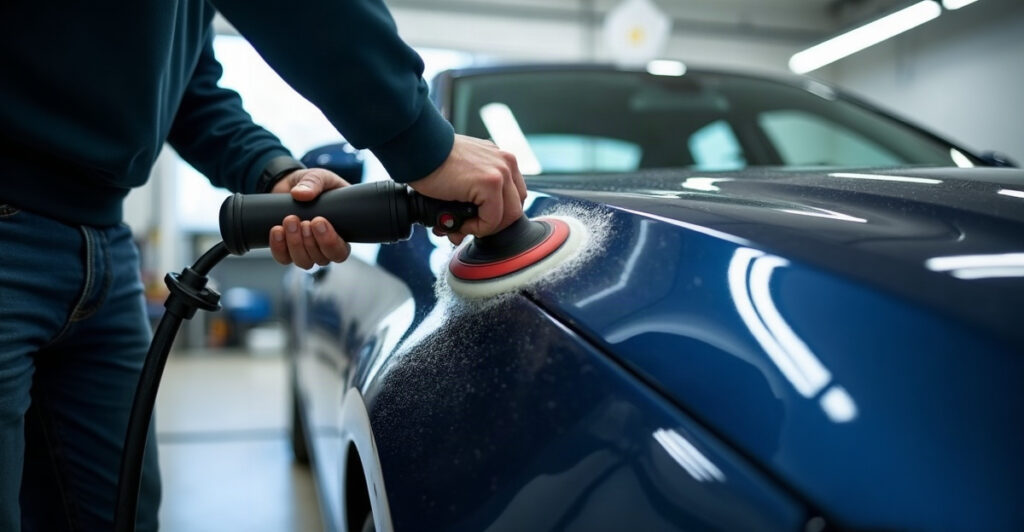
So, does paint correction fix scratches on a car? In many cases, it improves them dramatically. Paint correction is a professional polishing process that levels a very small amount of clear coat around a defect. This creates a more uniform surface, improves clarity, and restores gloss.
Correction does not fill scratches, add paint, rebuild clear coat, repair dents, or restore paint that has been removed from a panel. A good result means making the finish look significantly better while preserving enough clear coat for long-term durability.
Some deeper defects may remain visible after service. We may recommend reducing their appearance instead of chasing full removal, especially if aggressive polishing would remove too much clear coat. Results depend on scratch depth, paint thickness, paint type, prior repair work, previous polishing, and the vehicle’s overall condition.
For vehicles with wash marring, dull paint, or light defects, professional paint correction services can make a noticeable difference in the finish.
Which Scratches Can Paint Correction Remove or Reduce?
Modern automotive paint usually includes several layers: clear coat on top, color or base coat beneath it, primer below the color coat, and then metal or another panel substrate. Paint correction generally works within the clear coat only.
| Scratch Type | Expected Paint Correction Result |
|---|---|
| Swirl marks and wash marring | Usually respond very well and may be removed or greatly reduced. |
| Light clear-coat scratches and scuffs | Often removable or substantially reducible, depending on depth and paint condition. |
| Moderate scratches | May become far less visible, though complete removal may not be safe. |
| Scratches through clear coat into color coat | Usually need touch-up paint, spot repair, or refinishing. Correction may soften edges and improve surrounding gloss. |
| Scratches exposing primer or bare metal | Require prompt repair to help prevent corrosion. Correction alone will not solve the issue. |
A scratch that catches a fingernail can indicate greater depth, but this test does not provide a final diagnosis. Scratch shape, paint thickness, lighting, previous polishing, repaint history, and panel material all affect the repair options.
Does paint correction fix deep scratches? No, not if the scratch penetrates beyond the clear coat. We can sometimes soften the visual impact of a deep mark, but missing paint generally requires touch-up work, refinishing, or another repair method.
For a clearer view of realistic protection limits, see ceramic coating scratch protection. Coatings and correction both help maintain appearance, but neither replaces damaged paint.
How a Professional Decides Whether Correction Is Safe
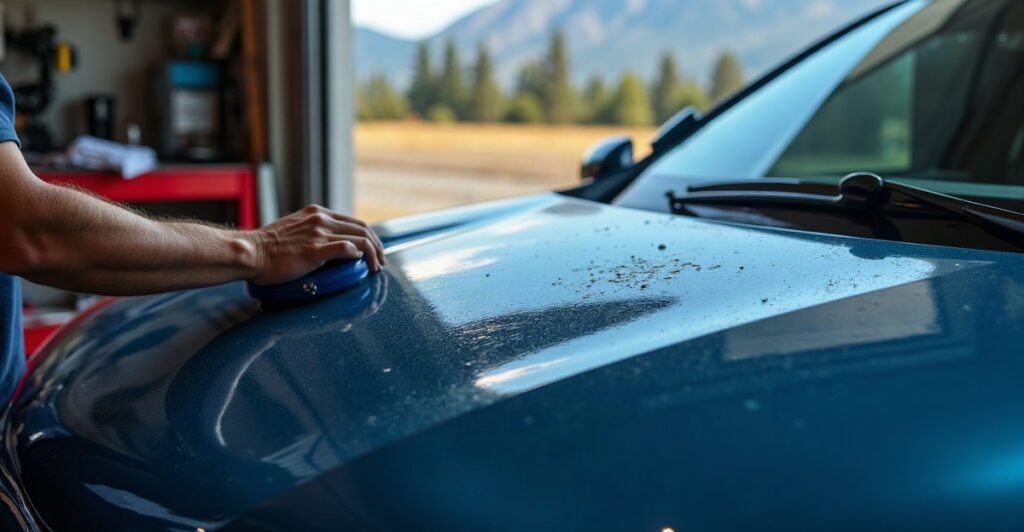
We inspect the vehicle before recommending a correction package. That process starts with a proper wash and decontamination so dirt, bonded fallout, and road film do not hide the actual condition of the paint.
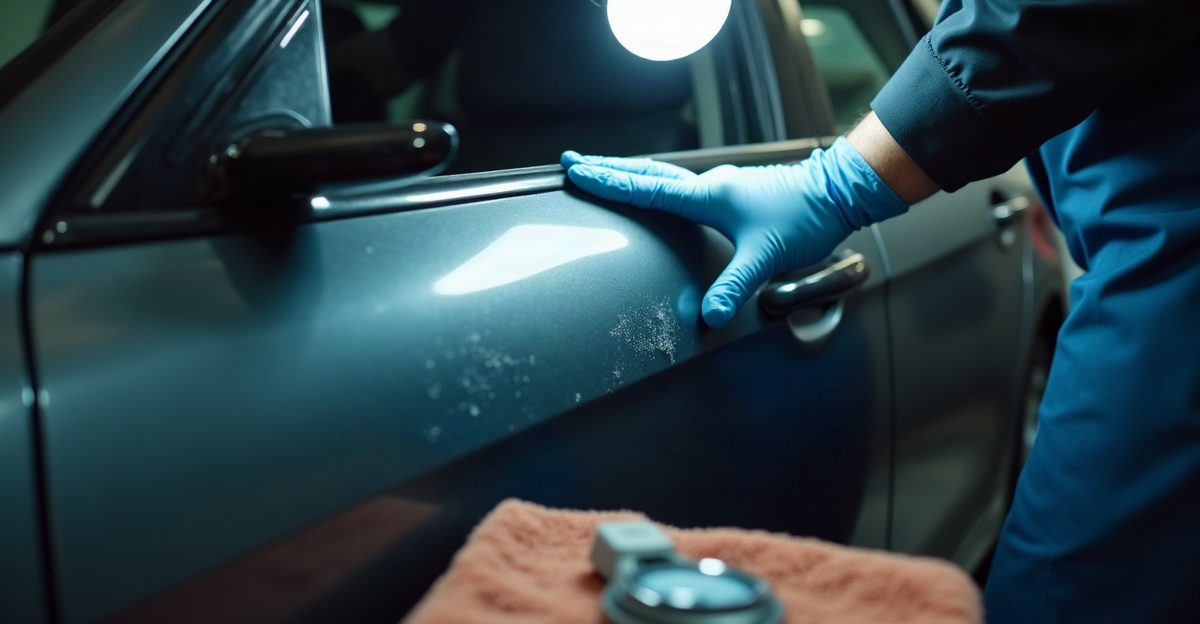
Dedicated lighting then reveals swirls, scuffs, sanding marks, and scratch depth more accurately. We assess where each defect sits, how extensive it is, and whether it affects only the clear coat. Paint-thickness measurements may also help us identify thin areas, prior bodywork, or panels that have been repainted.
A test spot gives us the most reliable answer. We start with the least aggressive polishing method that can produce meaningful improvement. This protects the paint while showing what the full vehicle can realistically achieve.
Excessive compounding or sanding can reduce clear-coat thickness unnecessarily, create uneven results, and leave the panel less forgiving during future maintenance. Full scratch removal is not always the right goal. Preserving paint matters more than making an unsafe promise.
An in-person assessment is especially important for older vehicles, deep scratches, unknown detailing history, repainted panels, and paint that has already been polished several times. Vehicles in Eastern Idaho and Western Wyoming also face road grit, gravel, winter contaminants, bug residue, UV exposure, and outdoor recreation use that can speed up paint wear.
When Touch-Up, Wet Sanding, or Refinishing Is the Better Repair
Paint correction is not always the right stand-alone repair. If a scratch has removed paint, we need a method that restores or protects the damaged area before polishing the surrounding finish.
Touch-up paint works well for small chips and narrow scratches that reach the color coat. It helps cover exposed areas and can reduce the risk of further damage, though the repair may still be visible up close.
Wet sanding can improve certain isolated defects, paint runs, and some raised touch-up repairs. It requires careful judgment and should only be performed by a qualified professional. It is not appropriate for every scratch or every paint system.
Spot repair or panel repainting may be the better choice for larger damaged areas, scratches exposing primer or metal, and defects where a more complete cosmetic restoration is needed. Exposed primer and bare metal should be addressed promptly to help prevent corrosion.
Correction can still play a useful role after repair work. We can improve the gloss around a deeper defect and soften harsh edges, but polishing cannot rebuild paint that is gone. An inspection helps determine whether correction, touch-up work, refinishing, or a combination of services makes the most sense. We are available through our paint inspection consultation page for a clear recommendation.
Should We Get Ceramic Coating After Paint Correction?
Paint correction prepares the finish for protection by improving clarity and reducing visible defects before coating application. This gives ceramic coating a cleaner, glossier surface to protect.
A professional auto ceramic coating can improve gloss, make routine washing easier, and help reduce light wash-induced marring when paired with proper maintenance. It will not correct scratches on its own, reliably hide deep scratches, or make paint scratch-proof.
Ceramic coating does not prevent key scratches, rock chips, deep abrasions, parking-lot damage, or collision damage. It also is not a substitute for paint protection film.
Paint protection film, often called PPF, is better suited for high-impact areas. Front bumpers, hoods, mirrors, rocker panels, and door edges receive frequent exposure to gravel, road debris, and chip damage. PPF adds a physical protective layer in these locations, while ceramic coating supports easier cleaning and a more consistent finish across the vehicle.
For a practical overview of coating benefits and limits, read what ceramic coating does. We recommend choosing protection based on how the vehicle is driven, parked, and maintained.
How to Preserve Corrected Paint and Choose the Right Next Step
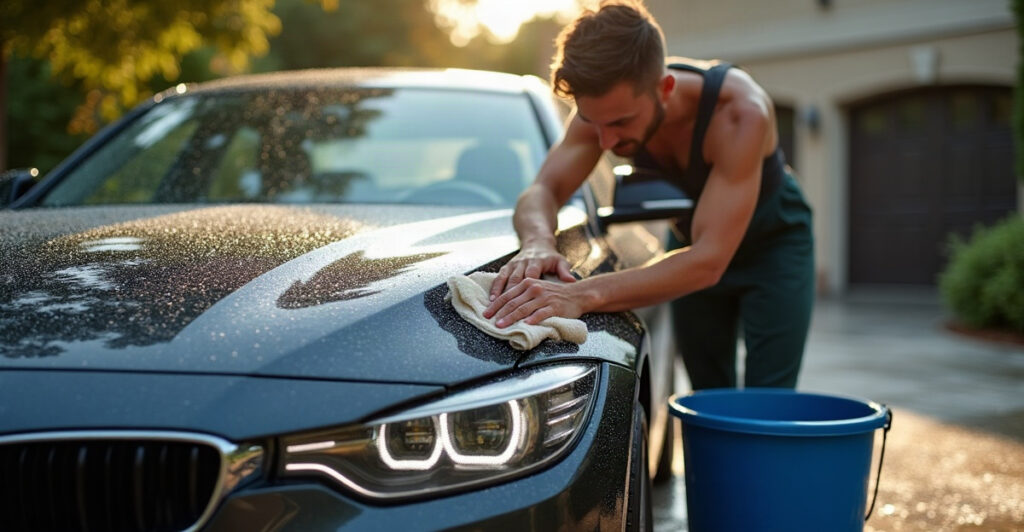
Corrected paint can stay in good condition for years, but new wash marring and environmental damage can develop over time. Proper washing, clean tools, and prompt contaminant removal make the biggest difference.
Use quality wash media, rinse away loose grit before contact washing, and avoid abrasive brushes or automatic washes with harsh bristles. Bird droppings, bug residue, road salt, and tree sap should be removed promptly. These contaminants can etch or stain a finish if left in place.
Follow the installer’s maintenance recommendations after correction or coating. Our ceramic coating maintenance guide explains the basic care habits that protect gloss and help coatings perform as expected. If rock-chip resistance is a primary concern, consider PPF for high-impact areas.
Common Scratch Repair Questions
Here are direct answers to the questions we hear most often:
- Can paint correction remove all scratches? No. It can improve clear-coat defects, but scratches through color coat, primer, or metal need another repair method.
- Can paint correction remove scratches that catch a fingernail? Sometimes. They may be improved, but a fingernail catch does not confirm the exact depth, and complete removal may not be safe.
- Is paint correction safe for older or previously polished paint? It can be, provided we assess paint thickness, condition, repaint history, and prior correction first.
- Does ceramic coating hide or fix scratches? No. Ceramic coating should be applied after correction to help preserve the improved finish.
- Should touch-up paint be used before paint correction? It depends on the chip or scratch. An inspection determines the best order of work.
- How long do paint-correction results last? Results last with proper washing and maintenance, though new marring and environmental damage can occur over time.
- Is paint protection film better than ceramic coating for preventing scratches? PPF offers better protection from chips and impact damage. Ceramic coating supports easier maintenance and resistance to very light marring.
We recommend scheduling an inspection before deciding on a repair. That allows us to determine whether paint correction, touch-up work, ceramic coating, PPF, or refinishing is the most appropriate solution for the vehicle’s condition.