Ceramic Coating on New Car: What Owners Should Know?
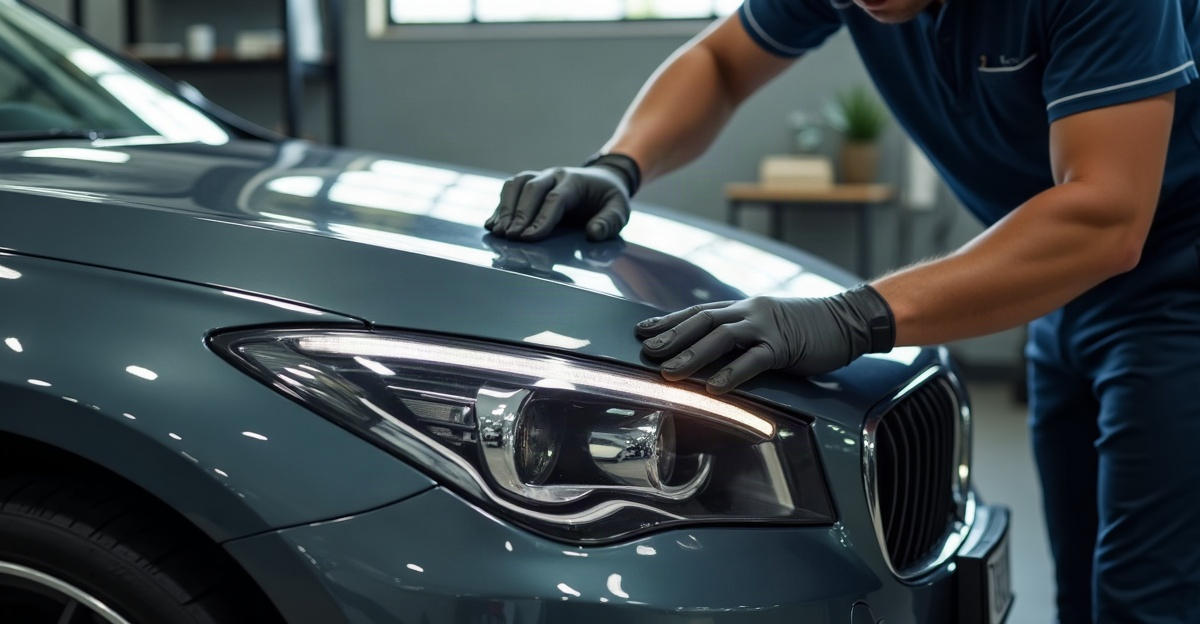
Ceramic coating on a new car can improve gloss, simplify washing, and resist UV exposure, stains, and environmental contamination after we inspect and prepare the paint. It won’t stop rock chips, deep scratches, or dents. We should consider driving conditions, maintenance habits, budget, and whether paint protection film suits high-impact areas.
Key Takeaways
- New vehicles can have swirls, rail dust, adhesive residue, and transport contamination. We should correct or remove these issues before applying a coating.
- Ceramic coating makes cleaning easier and helps preserve long-term appearance. We still need regular safe washes and prompt removal of salt, bugs, bird droppings, and tree sap.
- Product preparation, quality, mileage, storage, climate, wash methods, and ongoing care all affect coating durability.
- Paint protection film offers stronger defense against rock chips and road debris. We recommend it for bumpers, hoods, mirrors, and other high-impact areas.
- We should compare coating options by included preparation, paint correction, coverage, maintenance requirements, and warranty terms instead of price alone.
Is Ceramic Coating Worth It on a New Car?
Ceramic coating can be worthwhile on a new car when we value easier cleaning, deeper gloss, and added resistance to certain environmental contaminants. It will not provide impact protection, eliminate maintenance, or make paint immune to damage.
The right decision depends on the vehicle, driving conditions, budget, ownership plans, and willingness to care for the finish. A ceramic coating value often makes sense for owners who plan to keep a vehicle for years, drive often, park outdoors, or want a simpler wash routine.
In Eastern Idaho and Western Wyoming, daily conditions matter. Winter road treatments, road salt, gravel roads, construction traffic, mountain driving, outdoor recreation, and fast weather changes can leave contamination on paint quickly. High-mileage vehicles and regularly outdoor-parked vehicles usually see stronger practical benefits from ceramic coating on a new car.
Ceramic coating may be less important when the budget is limited, ownership will be short, or frequent detailing with wax or sealant fits the plan better. We recommend choosing protection based on real use, not pressure or exaggerated promises.
What Ceramic Coating Helps With—and What It Will Not Prevent
A ceramic coating bonds to properly prepared paint. It can improve gloss, color depth, water behavior, and ease of washing. It also adds resistance to some UV exposure, oxidation, staining, and chemical contamination. For a clear overview of these benefits, review ceramic coating benefits.
Routine dirt, bug residue, road grime, and light contamination often release more easily from a coated surface when washed promptly. Water may sheet or bead differently, which can make drying and regular maintenance easier. Water beading alone does not prove that a coating is fully protected or performing perfectly. A heavily soiled vehicle still needs a safe wash.
Ceramic coating on a brand-new car does not make paint scratch-proof, chip-proof, dent-proof, or bulletproof. It will not prevent collision damage, deep scratches, abrasion, rock chips, or damage from road debris. Coatings can offer some resistance to light marring and chemical contamination, but paint protection film is the better option where physical impacts are the main concern.
Coatings also do not stop water spotting. Mineral-rich water can leave deposits if it dries on the paint. No coating has a guaranteed lifespan regardless of mileage, storage, wash habits, climate, and environmental exposure. For realistic information about coating paint safety, we recommend focusing on preparation, product quality, and maintenance rather than broad claims.
Why a Brand-New Car Still Needs Inspection and Preparation
New does not automatically mean flawless. A recently delivered vehicle may have dealership wash swirls, light scratches, adhesive residue, rail dust, industrial fallout, overspray, water spotting, or handling marks from transport and storage. Dealership-installed accessories can also leave residue that should be removed before protection is applied.
Applying a coating over contamination or paint defects can lock in their appearance. The coating adds gloss, which may make existing swirls and marks easier to notice in direct light.
We start with an inspection under proper lighting. From there, we safely wash the vehicle, remove bonded contamination through chemical or mechanical decontamination as needed, and prepare each panel for coating. A panel wipe removes oils and residue before application.
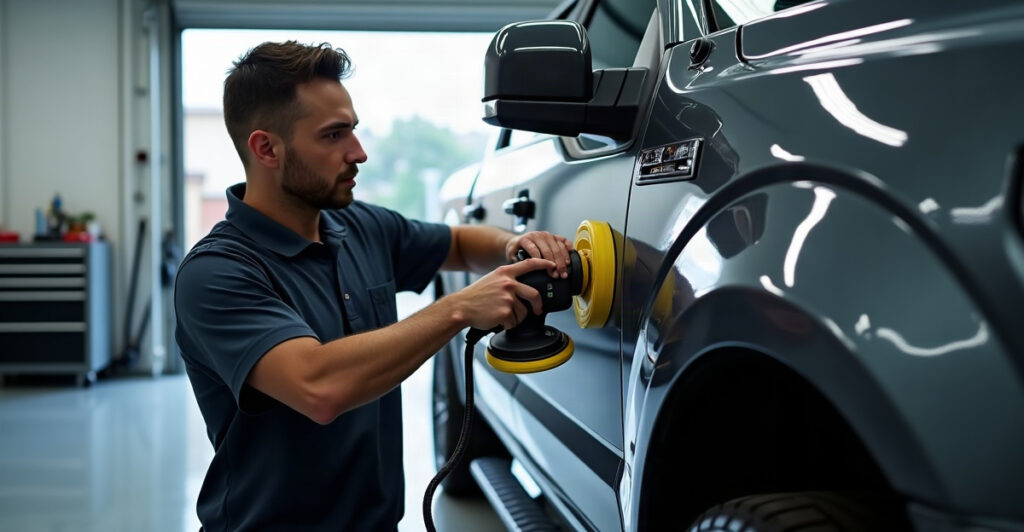
Paint correction removes or reduces existing paint defects. It is not a protective coating. Some new vehicles need only light polishing, while others need more correction due to dealership washing or transport-related marks. Inspecting paint before recommending a package matters because new vehicles can vary significantly in condition.
When to Apply Ceramic Coating and How Long It Can Last
In most cases, applying ceramic coating on a new car soon after purchase is beneficial. It helps protect the finish before regular driving adds more wear and contamination. Still, there is no need to rush past inspection and preparation. Waiting does not automatically remove the option to coat the vehicle later.
Coating durability varies based on formulation, paint preparation, application quality, storage, mileage, climate, wash methods, salt exposure, and ongoing care. Neglect can reduce gloss, water behavior, and coating performance. For a closer look at the factors that affect ceramic coating durability, we recommend setting realistic expectations before choosing a package.
Warranties also vary. Some include registration requirements, scheduled inspections, maintenance expectations, exclusions, and limits on covered concerns. A warranty does not prove that a coating prevents every type of damage. It simply provides coverage under specific terms.
Owners considering pricing should compare preparation work, correction needs, coating coverage, and aftercare requirements rather than comparing a single advertised number. Our guide to ceramic coating cost explains why vehicle condition and service scope affect the final investment.
Ceramic Coating vs. Wax, Sealants, Paint Correction, and PPF
Each option serves a different purpose. Paint correction improves the appearance of existing paint by reducing defects. It does not protect paint after the work is complete.
Ceramic coating bonds to prepared paint and supports gloss, water behavior, easier washing, and resistance to some chemical and environmental contamination. Wax and paint sealants usually provide shorter-term protection. They can work well for lower budgets or owners who enjoy regular detailing.
Paint protection film, often called PPF, provides stronger physical protection from rock chips and road debris. It is especially useful on bumpers, hoods, mirrors, rocker panels, door edges, and other high-impact areas. Ceramic coating is not a replacement for PPF where impact protection is the priority.
We often recommend PPF first for vehicles that regularly travel gravel roads, highways, construction zones, mountain routes, or debris-heavy roads. Many owners choose PPF on high-impact areas and a professional ceramic coating on the remaining painted surfaces. This combination supports appearance, maintenance, and impact protection without treating a coating as a cure-all.
Maintenance, Decision Factors, and Provider Questions
Ceramic coating maintenance is straightforward, but it still matters. Wash the vehicle regularly before contamination builds up. Use pH-neutral products and safe wash methods. Avoid automatic brushes, since they can create marring over time. Remove bird droppings, bug residue, tree sap, and road salt promptly. Dry carefully to limit water spotting.
A drop in water beading does not always mean the coating has failed. Surface contamination can reduce hydrophobic behavior, even when the coating remains in place. Periodic decontamination and professional maintenance can help restore surface performance. Our ceramic coating maintenance guide covers practical care steps in more detail.
Before deciding on ceramic coating on a new car, consider where the vehicle is parked, annual mileage, winter driving, road-salt exposure, gravel-road use, construction traffic, off-road activity, and the planned ownership period. Appearance expectations and willingness to use safe maintenance practices also matter. If debris exposure is high, PPF may deserve more of the budget than coating alone.
A qualified provider should clearly explain how the paint will be inspected and prepared, whether paint correction is included or recommended, which coating product will be used, what the quoted package covers, and what maintenance follows installation. Warranty terms should also be explained before work begins, including any maintenance requirements and exclusions.
A brand-new car can be ceramic coated, and prompt installation after proper preparation is often a practical choice. Ceramic coating does not prevent rock chips, and automatic brush washes can reduce finish quality over time. For high-impact areas, we recommend considering PPF before ceramic coating. To discuss paint condition, coating options, paint correction, PPF, or a combination of services, schedule an inspection through our ceramic coating consultation.