Ceramic Coating Cost for SUVs: What Should You Expect?
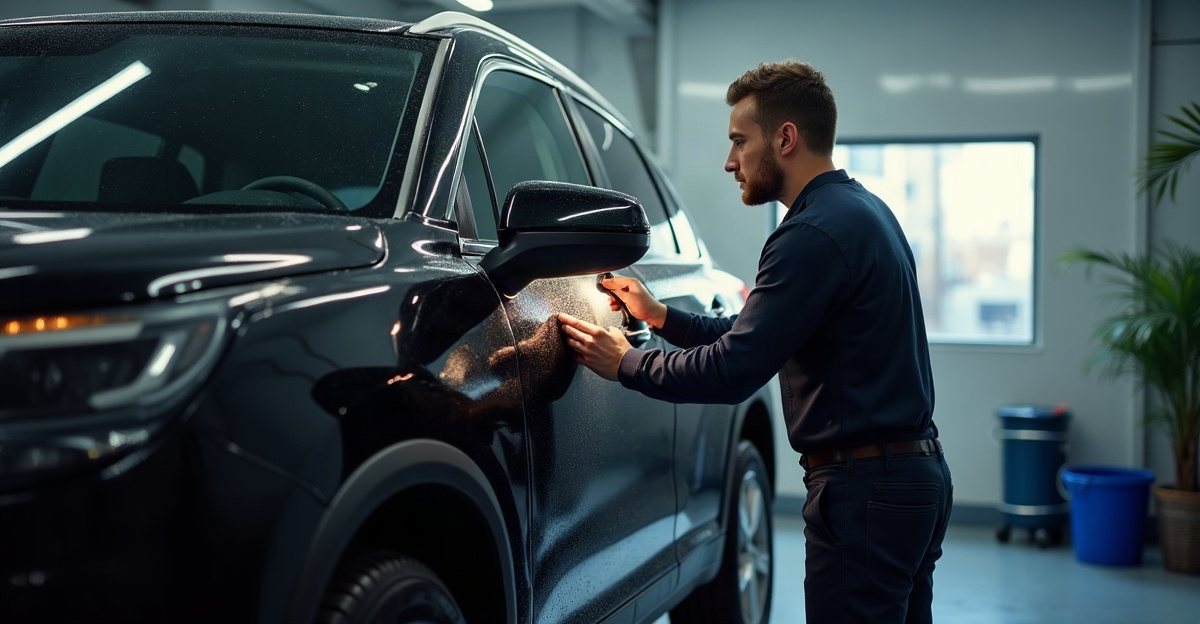
SUV ceramic coating typically costs about $800 to $3,500 or more. We base pricing on SUV size, paint condition, correction needs, coating package, and installer standards. Compact SUVs with well-kept paint often need less preparation. Full-size or older SUVs with swirls, oxidation, or water spots usually require more labor and a higher investment.
Key Takeaways
- Compact SUVs often cost approximately $800 to $2,500+, while full-size and three-row SUVs may cost approximately $1,100 to $3,500+.
- Paint correction often adds to the total cost. We may recommend it to reduce swirls, scratches, oxidation, and water spots before coating.
- A professional coating service includes washing, decontamination, paint inspection, selected correction, panel preparation, coating application, and curing time.
- We recommend comparing quotes by the complete scope of work. Review the correction level, covered surfaces, coating product, warranty terms, curing requirements, and aftercare.
- Ceramic coating makes washing easier and adds gloss. However, it won’t stop rock chips, deep scratches, or damage caused by poor maintenance.
How Much Does Ceramic Coating Cost for an SUV?
Professional ceramic coating for an SUV commonly costs approximately $800 to $3,000+, depending on vehicle size, paint condition, correction needs, coating package, and installer standards. These are general estimates, not guaranteed prices, and an exact quote requires a photo review or in-person inspection.
The ceramic coating cost SUV owners should expect often rises with the time required to prepare larger panels and correct paint defects. A newer compact SUV with well-kept paint and limited polishing needs may fall near the lower end. An older, larger SUV with visible swirls, water spots, oxidation, or scratches can require substantially more labor.
General Estimates That Vary by Market and Vehicle Condition
| SUV type | Entry-level protection | Multi-year coating | Premium package with significant correction |
|---|---|---|---|
| Compact SUV/crossover | Approximately $800–$1,200 | Approximately $1,200–$1,800 | Approximately $1,800–$2,500+ |
| Midsize SUV | Approximately $900–$1,400 | Approximately $1,400–$2,200 | Approximately $2,200–$3,000+ |
| Full-size or three-row SUV | Approximately $1,100–$1,600 | Approximately $1,600–$2,500 | Approximately $2,500–$3,500+ |
The SUV ceramic coating cost should always reflect the actual scope of work. We recommend reviewing ceramic coating pricing factors before comparing packages, since coating type alone does not determine the final price.
Why SUV Ceramic Coating Prices Vary
SUVs usually cost more to coat than sedans because they have more paint surface area and take longer to clean, decontaminate, polish, and protect. Larger roofs, high access points, liftgates, door jambs, wheels, trim, and glass all add work. A full-size SUV may also need extra time simply to access and inspect every panel correctly.
Paint condition has a major effect on the cost of ceramic coating on SUV models. We inspect paint age, prior detailing damage, wash-induced swirls, scratches, oxidation, water spots, and contamination. Older vehicles and vehicles washed with abrasive methods often need more preparation before coating.
The final quote also depends on the correction level, coating product, add-on protection, installer experience, shop conditions, curing time, warranty terms, and maintenance requirements. Manufacturer-rated longevity means the durability period stated by the coating manufacturer under specified conditions. It is not a guaranteed real-world lifespan.
Driving conditions matter as well. Eastern Idaho and Western Wyoming SUVs often face winter road treatments, snow, gravel roads, dust, long highway drives, sun exposure, and outdoor recreation. Those conditions can increase cleaning needs and place more demand on any exterior protection.
What Is Included in a Proper SUV Ceramic Coating Package?
Proper preparation often accounts for much of the labor and value in a quality ceramic coating service. Applying a coating over contaminated or poorly prepared paint can limit appearance and long-term performance.
A professional process starts with a thorough wash, followed by chemical decontamination to remove bonded contamination such as iron particles and road film. Clay or mechanical decontamination may follow when needed. We then inspect the paint under proper lighting and complete polishing or correction if the selected package requires it.
After correction, a panel wipe removes polishing oils and prepares the paint for coating. The coating is then applied panel by panel and allowed to cure. Curing is the period when the coating bonds and hardens before normal exposure to water and weather.
A quality coating improves hydrophobicity, meaning its ability to encourage water to bead and sheet off the surface. This can reduce contamination bonding and make routine washing easier. It does not make the SUV self-cleaning.
Package details vary. Some services protect painted exterior surfaces only, while others include wheels, glass, trim, calipers, or interior surfaces. Our SUV ceramic coating service can be matched to the vehicle’s condition and the protection areas that matter most.
Coating preserves and enhances the paint underneath it. It does not hide swirls, oxidation, water spots, or deeper scratches. For a closer look at the process, see how paint correction works.
Does Paint Correction Cost Extra for an SUV?
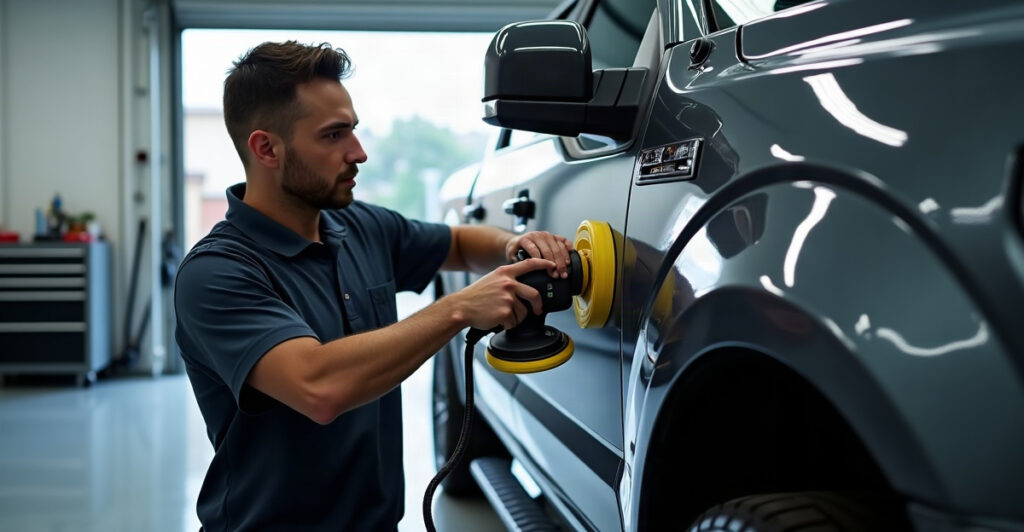
Ceramic coating installation and paint correction are separate services, although they are often completed together. Paint correction uses machine polishing to reduce visible clear-coat defects such as swirls, light scratches, oxidation, haze, and water-spot etching.
Correction may be optional for a newer, well-kept SUV. It is often recommended for used vehicles or vehicles with visible defects because coating over damaged paint locks in the appearance that already exists.
SUV correction can add meaningful cost because of the larger paint surface. It may require further inspection, test spots, multiple polishing stages, and additional labor across doors, quarter panels, liftgates, hoods, and roofs. We typically examine high-use areas for wash marks, deeper scratches, oxidation, spotting, and signs of prior detailing damage.
Photos help us estimate condition, but standard images often miss defects that proper lighting and hands-on inspection reveal. For that reason, a vehicle-specific assessment provides the most reliable estimate. Learn more about paint correction costs when planning a coating package.
How to Compare SUV Ceramic Coating Quotes
A low price is not automatically a poor value. It may reflect less correction, a shorter-term product, limited preparation, fewer coated surfaces, different warranty coverage, or reduced labor time. The key is comparing the scope of work rather than only the final dollar amount.
What Should Be Included in a Quote?
Before booking, confirm these details in writing:
- Wash and decontamination steps
- Paint correction level included, if any
- Coating brand and exact package
- Manufacturer-rated longevity
- Painted surfaces covered
- Wheel, glass, trim, caliper, and interior coverage
- Curing time and when the SUV can be exposed to weather
- Warranty details, registration requirements, and exclusions
- Aftercare instructions
- Required maintenance or inspection services
Packages are not automatically equal because they use similar durability language. Preparation standards, product quality, application process, installer experience, curing conditions, warranty terms, and aftercare requirements can all differ. We recommend asking for clarification before booking instead of assuming that correction, wheels, glass, or warranty coverage are included.
Is Ceramic Coating Worth It for Your SUV? Benefits, Limits, Durability, and Care
Ceramic coating can be a practical choice for SUV owners who value easier cleaning, improved gloss, reduced contamination bonding, and added resistance to chemicals and environmental exposure. It helps preserve a well-prepared finish, especially on vehicles that see frequent highway miles, outdoor parking, or changing weather. Read more about the benefits of ceramic coating to determine whether those advantages fit the way the SUV is used.
Realistic expectations matter. Ceramic coating is not scratch-proof, maintenance-free, permanent, or guaranteed protection. It does not reliably stop rock chips, deep scratches, door dings, collision damage, or paint damage caused by neglect. It also does not replace paint protection film in high-impact areas and will not prevent gravel-road rock chips.
Actual durability depends on preparation, application quality, driving frequency, garage or outdoor storage, winter exposure, wash methods, maintenance, and product selection. Manufacturer-rated longevity and real-world performance are not the same thing. For a detailed explanation, review ceramic coating durability.
Regular care still matters. Wash the SUV with safe techniques and a pH-appropriate vehicle shampoo. Remove road salt, bug residue, bird droppings, mud, and mineral deposits promptly. Clean wash media helps prevent new swirls, while abrasive tunnel washes can still diminish appearance over time.
Common SUV Ceramic Coating Questions
How much does ceramic coating cost for a midsize SUV? General estimates commonly range from approximately $900 to $3,000+, depending heavily on correction needs and package level.
Does ceramic coating cost more for a full-size SUV? Usually. The added surface area, access challenges, and labor time commonly increase the price.
Is paint correction included with ceramic coating? Sometimes, but it should never be assumed. Confirm the correction level in the quote.
Is ceramic coating worth it on a daily-driver SUV? It can be practical for easier cleaning, better gloss, and long-term appearance, provided regular washing and maintenance continue.
Can ceramic coating protect an SUV from gravel-road rock chips? No. Consider paint protection film on high-impact areas when chip resistance is the priority.
How long does ceramic coating last on an SUV? It varies by product selection, preparation, driving and storage conditions, wash habits, and maintenance.
Do we still need to wash an SUV after ceramic coating? Yes. Coating makes washing easier, but it does not eliminate regular care.
Accurate pricing depends on SUV size, paint condition, the desired correction level, and the preferred protection package. We recommend requesting a vehicle-specific assessment through our ceramic coating consultation before making a final decision.