Does Ceramic Coating Protect Against UV and Sun Damage?
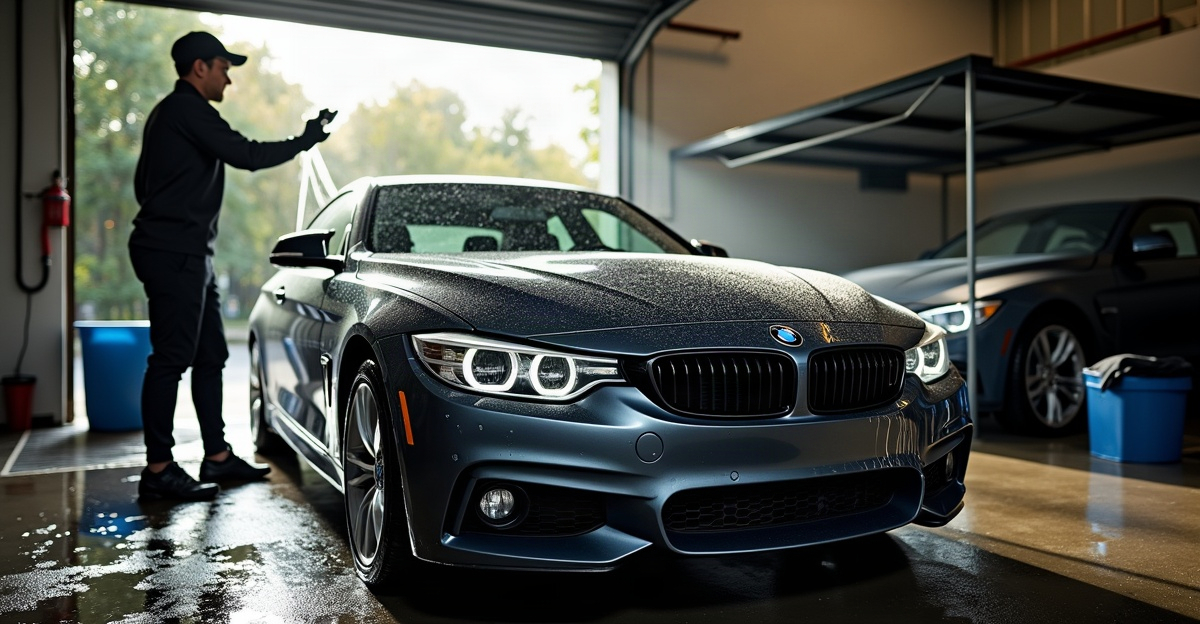
Ceramic coating can help reduce oxidation, fading, and contamination-related wear. It adds a durable protective layer over properly prepared paint. However, it can’t block every UV ray or make a vehicle fully sunproof.
Ceramic coating also makes exterior surfaces easier to clean. Covered parking, quick contaminant removal, and consistent maintenance deliver stronger long-term protection from sun and environmental exposure.
Key Takeaways
- Ceramic coating helps resist UV-related fading and oxidation, but it can’t prevent all sun damage.
- The coating preserves the paint beneath it. Paint correction and thorough surface preparation directly affect the final result.
- Hydrophobic properties and chemical resistance help limit stains from bird droppings, tree sap, bugs, road salt, and mineral deposits.
- Ceramic coating can’t stop rock chips, deep scratches, impact damage, or UV damage inside the vehicle.
- Covered parking, safe washing, fast contaminant removal, and paint protection film on high-impact areas create a stronger protection plan.
The Direct Answer: Ceramic Coating Can Help, but It Is Not Sunproof
Does ceramic coating protect against UV exposure? Ceramic coating can help protect a vehicle’s exterior from some effects of UV exposure, including oxidation, fading, and contamination buildup, but it does not completely block UV rays or eliminate the risk of sun damage. It adds a sacrificial protective layer over properly prepared paint, helping the exterior stay easier to clean and maintain.
Modern automotive paint already has a factory clear coat. A ceramic coating sits on top of that clear coat; it is not an impenetrable shield. It does not make paint or exterior materials completely sunproof.
Results depend on the coating type, surface preparation, application quality, vehicle use, UV exposure, washing methods, climate, storage, and maintenance habits. For vehicles exposed to outdoor storage, shifting weather, road grime, mineral deposits, and high-exposure driving in Eastern Idaho and Western Wyoming, a practical protection plan can make a meaningful difference over time. Our auto ceramic coating service focuses on that realistic, long-term approach.
How Ceramic Coating Helps With UV Exposure and Environmental Wear
Does ceramic coating protect against UV rays in a useful way? It can help by creating a smoother, chemically resistant surface that reduces how strongly contaminants bond to exterior paint. This support matters because sun exposure often works alongside other damage sources rather than acting alone.
Bird droppings, bug residue, tree sap, road salt, and mineral-heavy water spots can stain or degrade paint when they remain on the surface. A ceramic-coated finish has hydrophobic behavior, so water tends to bead and release more easily. That makes routine washing and contaminant removal simpler, which helps limit prolonged contact with harmful debris.
With proper care, ceramic coating can support resistance to oxidation and fading over time. It also provides gloss enhancement and added depth, especially after proper polishing and paint correction. For a clearer overview of the practical results, see ceramic coating benefits and results.
Some products use “9H” in their marketing. This usually refers to a pencil-hardness test or product classification. It does not mean a coating prevents all scratches, impacts, stains, or weather damage. We recommend judging protection by real use: chemical resistance, easier cleaning, gloss retention, and support against daily environmental exposure.
What Ceramic Coating Cannot Protect Against
Ceramic coating does not completely block all UV rays. It does not prevent every form of fading, oxidation, staining, or weathering, especially after years of intense outdoor exposure.
Coatings also do not stop rock chips, deep scratches, impact damage, or collision damage. They are not a substitute for physical barrier products in high-impact areas. No coating makes paint, plastic, rubber, or interiors fully immune to prolonged sun exposure.
Exterior coating also does not protect the dashboard, seats, leather, upholstery, or other interior materials from UV exposure. Interior care needs separate protection. We recommend sunshades, interior-safe UV protectants, and covered parking whenever possible.
A coating will not repair existing swirl marks, oxidation, scratches, water spots, or faded paint. It also does not eliminate washing, decontamination, or prompt removal of damaging contaminants. For a direct explanation of realistic protection limits, read what ceramic coating does.
Why Paint Condition and Preparation Matter Before Coating
A ceramic coating protects the surface it is applied to; it does not remove oxidation, swirl marks, water spots, fading, or scratches already present. That is why paint condition matters before we recommend any coating package.
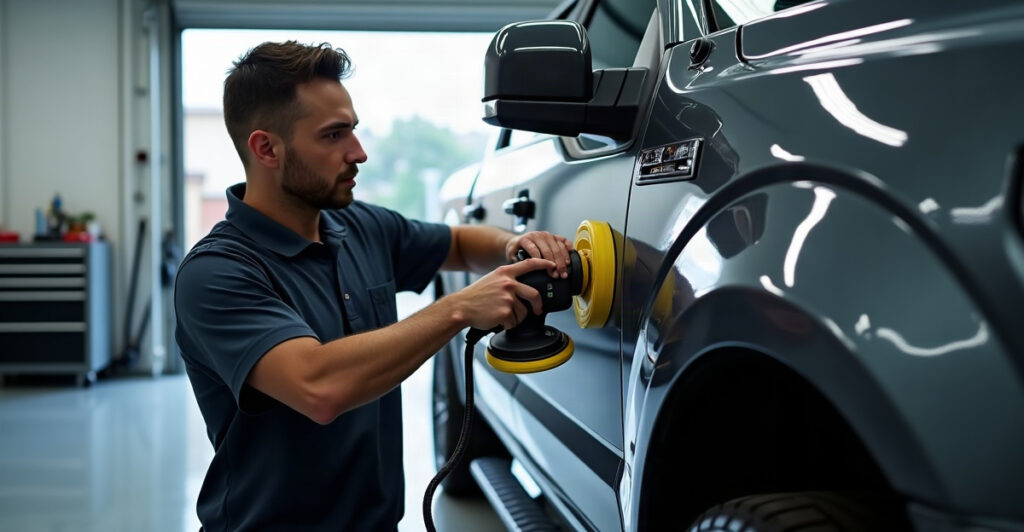
We begin with a paint inspection to identify oxidation, swirl marks, scratches, water spots, fading, and bonded contamination. From there, we determine whether paint correction is appropriate. Correction can remove or reduce defects through controlled polishing, leaving a clearer and more refined surface for the coating to preserve.
Much of the dramatic gloss associated with ceramic coating comes from careful surface preparation. Safe washing, decontamination, clay treatment when appropriate, polishing, and paint correction all influence the finished appearance. The factory clear coat must be clean and properly prepared before coating application.
Our process also considers controlled application, curing requirements, and maintenance guidance. A coating applied over neglected paint may add some protection, but it will also preserve the defects beneath it. For vehicles that need improvement before protection, our paint correction service creates the right foundation.
Ceramic Coating vs. Wax, Sealant, Paint Protection Film, and Covered Storage
Each protection option serves a different purpose. The right choice depends on paint condition, driving habits, storage, budget, and the type of damage we want to reduce.
| Option | Primary Purpose | UV and Sun-Related Support | Physical Impact Protection | Maintenance Needs | Best Use Case |
|---|---|---|---|---|---|
| Ceramic coating | Chemical resistance, easier cleaning, hydrophobic behavior, and gloss enhancement | Can support resistance to environmental exposure, oxidation, and fading | Limited; does not prevent rock chips or deep scratches | Routine washing, prompt contaminant removal, and periodic decontamination | Owners who want durable exterior care and easier maintenance |
| Wax or sealant | Shorter-term water behavior and appearance improvement | Can provide some support, with more frequent reapplication | Minimal | Frequent reapplication and regular washing | Budget-conscious or short-term protection needs |
| Paint protection film | Physical barrier against road debris and impacts | Can reduce weather exposure on covered areas | Strong protection against rock chips and impact damage | Regular washing and inspection | High-impact areas such as front bumpers, hoods, and mirrors |
| Covered parking or garage storage | Reduced ongoing weather and UV exposure | Strong reduction in daily sun exposure | None while driving | Washing and surface protection still matter | Long-term outdoor exposure reduction |
Ceramic coating versus PPF is not an either-or decision. Paint protection film offers stronger physical protection in high-impact areas, while ceramic coating supports easier cleaning and environmental resistance across painted surfaces. Some owners combine PPF on vulnerable areas with coating protection elsewhere.
Wax and sealant remain useful options, but they generally require more frequent reapplication than a professionally applied ceramic coating. Covered parking, garage storage, and routine maintenance improve every protection strategy because mineral deposits, road grime, salt, and organic debris still need removal.
Protecting an Outdoor Vehicle: Maintenance, Decision Factors, and FAQ
Ceramic coating may be worth it for a vehicle that stays outside, especially for owners who drive frequently or have limited access to a garage or carport. It works best when paired with shade, safe wash methods, timely contaminant removal, and realistic expectations.
For outdoor storage, we recommend a consistent care routine:
- Park in a garage, carport, or shade whenever possible.
- Wash regularly using safe wash methods.
- Remove bird droppings, bug residue, tree sap, road salt, and mineral-heavy water spots promptly.
- Use maintenance products approved for the coating.
- Schedule an inspection or decontamination if water behavior declines or bonded contamination develops.
Interior protection needs separate attention. Sunshades and interior-safe UV protectants help protect dashboards, seats, leather, and upholstery while exterior protection handles the painted surfaces.
Common Questions About Ceramic Coating and Sun Damage
Does ceramic coating protect against UV rays? It can help reduce some UV-related exterior wear, but it does not completely block UV rays or make the vehicle sunproof.
Will ceramic coating stop paint from fading? It may reduce the factors that contribute to fading, especially when combined with regular washing and covered parking. It cannot guarantee that fading will never occur.
Does ceramic coating protect plastic trim from sun damage? It can support easier cleaning and environmental resistance on compatible exterior trim, but prolonged sun exposure can still weather plastic and rubber.
Is ceramic coating better than wax for UV protection? Ceramic coating typically lasts longer and provides stronger chemical resistance than wax or sealant. Wax remains useful but needs more frequent reapplication.
Does ceramic coating prevent oxidation? It can support resistance to oxidation by reducing contamination bonding and improving maintenance. It does not reverse oxidation already present.
Can ceramic coating protect against rock chips? No. Coatings are not intended to stop rock chips, deep scratches, or impact damage. Paint protection film is the stronger choice for those risks.
Should we get paint correction before ceramic coating? Paint correction is often worthwhile when swirl marks, oxidation, water spots, or scratches affect the finish. The coating will preserve the condition of the surface beneath it.
How do we maintain a ceramic-coated vehicle that stays outside? Use safe wash methods, remove contaminants quickly, avoid letting mineral-heavy water dry on the finish, and schedule decontamination as needed.
Coating longevity depends on coating type, preparation, application quality, use, climate, outdoor storage, and maintenance habits. For vehicles in Eastern Idaho and Western Wyoming, we can provide a straightforward assessment of the paint condition, storage situation, and driving habits. Contact us through our vehicle protection consultation to determine whether ceramic coating, paint protection film, correction, or a combined approach makes the most sense.