How Long Is the Cure Time for Ceramic Coating?
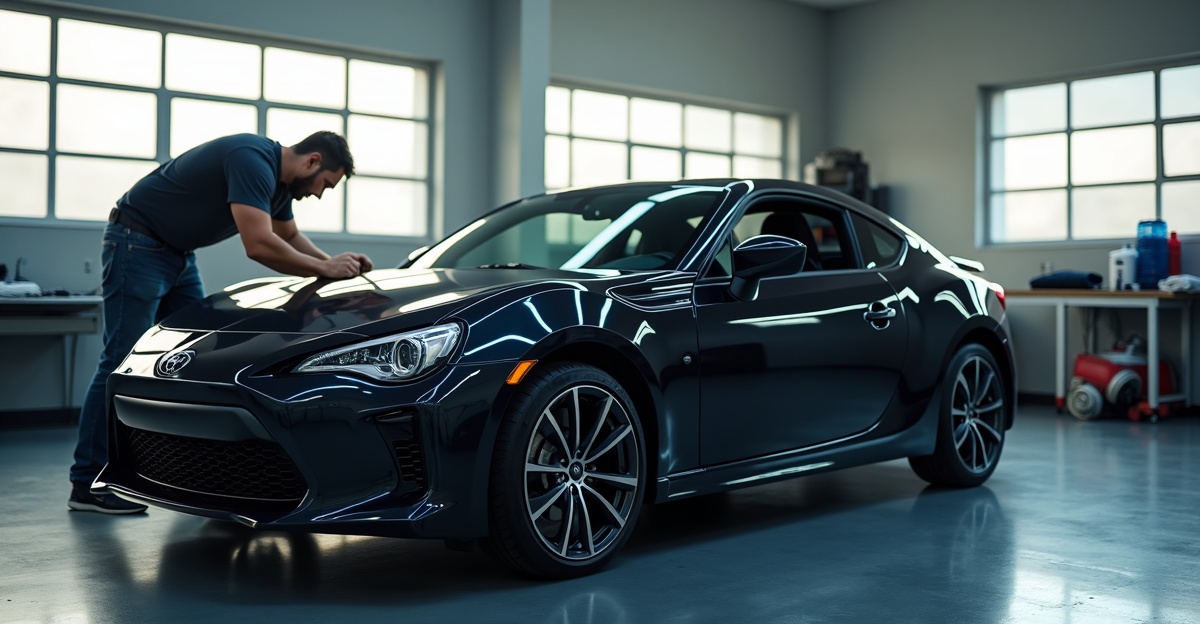
The cure time for ceramic coating refers to the chemical hardening period after application. During this stage, the coating bonds to the paint and builds full strength. It involves more than the surface feeling dry. We see many vehicles ready for light driving within 12–24 hours. Full chemical curing, however, usually takes 5–14 days based on product type, temperature, humidity, and aftercare.
Key Takeaways
- Cure time for ceramic coating differs from installation time; curing continues after the vehicle leaves the shop.
- Most coatings reach a safe-to-drive stage within 12–24 hours, but full chemical cure usually takes 5–14 days.
- The coating stays most vulnerable during the first 24 hours, so we protect it from moisture, washing, and contamination.
- Temperature, humidity, storage conditions, product formulation, and number of layers all influence curing time.
- Clear aftercare instructions directly impact long-term durability, gloss retention, and chemical resistance.
What Most Vehicle Owners Need to Know About Cure Time
Cure time for ceramic coating refers to the period after installation when the coating chemically bonds, hardens, and reaches full strength. This process continues well after the coating looks dry on the surface.
Many people confuse installation time with curing time. Installation time is when we prep the surface, apply the coating, level it, and ensure it flashes properly. Curing time for ceramic coating is the chemical hardening process that happens afterward.
The time required for ceramic coating does not end when we hand back the keys. The vehicle may be ready to leave our shop, but the coating is still developing strength and resistance.
Cure time for ceramic coating varies based on the specific product used and environmental conditions. There is no single universal timeframe that applies to every vehicle. Some coatings begin setting quickly. Others require longer to reach full hardness.
It’s also important to keep expectations realistic. A ceramic coating does not become instantly permanent or fully hardened the moment we finish installation. It gains durability over time as it cures.
The Real Timeline: From Application to Full Cure
Understanding how much time it takes for ceramic coating to reach different stages helps set clear expectations.
Initial Set: First Few Hours
Within the first few hours after application, the coating begins bonding to the paint. It starts to set and harden at the surface level. During this stage, it is highly sensitive to moisture, contamination, or contact.
We keep vehicles protected in a controlled environment during this critical window.
Safe-to-Drive Window and Full Cure
Most professional coatings reach a safe-to-drive window within 12–24 hours, depending on the product and shop conditions.
Safe to drive does not mean business as usual. Light, careful use is fine. Short trips are typically acceptable. We still recommend avoiding rain, heavy road spray, and unnecessary exposure during the first day.
Full cure often takes between 5–14 days. During this period, the coating continues to harden chemically. This is when it develops maximum hardness, chemical resistance, and long-term durability. The gloss may look impressive immediately, but the deeper performance benefits build over that curing window.
In short, the coating is usable within a day, but it isn’t fully cured for up to two weeks.
What We Can and Cannot Do During the Curing Window
Clear aftercare makes a noticeable difference in long-term results. The curing time for ceramic coating is when the surface will become strongest chemically once completed, but it is most vulnerable before that.
Here’s what generally applies to professional-grade coatings:
- Driving: We can usually drive the vehicle after 12–24 hours. Keep it light and avoid long highway drives in heavy rain if possible.
- Water exposure: Avoid rain or washing during at least the first 24 hours. If unexpected moisture hits the surface, gently blotting—never rubbing—is safest.
- Washing: Wait until full cure, typically 5–14 days, before performing the first wash.
During the curing window, we also avoid:
- Automatic car washes
- Harsh chemicals or degreasers
- Abrasive contact or scrubbing
- Parking under trees that drip sap or create heavy debris
There’s no need to be overly anxious. Normal, careful use is fine after the initial safe-to-drive period. What matters most is avoiding anything aggressive that could interfere with how the coating finishes curing.
Following aftercare instructions directly affects how well the coating performs over the years. Good habits early on protect the investment.
What Affects the Cure Time for Ceramic Coating
Cure time for ceramic coating is always presented as a range because several variables influence the process.
Temperature plays a major role. Colder conditions slow chemical reactions. Stable, moderate indoor temperatures produce more predictable curing. In colder climates like Eastern Idaho and Western Wyoming, curing can take longer if a vehicle sits outside during early stages.
Humidity also matters. Some coatings rely on ambient moisture to cure properly, while very high or very low humidity can alter how quickly they set. Professional shops monitor these conditions to maintain consistency.
Indoor versus outdoor storage during the first 24 hours makes a difference. A controlled environment protects the coating during its most sensitive phase.
Product formulation is another factor. Consumer-grade coatings often cure differently than professional-grade systems. The chemistry, solvent content, and solids concentration all affect how much time it takes for ceramic coating to fully harden.
The number of layers applied can also extend the curing timeline. Each layer needs proper bonding and stabilization.
Because of these variables, the time required for ceramic coating will always be a range rather than a fixed number. That’s normal and expected.
Why Professional Installers Give Specific Aftercare Instructions
Reputable installers don’t make exaggerated durability claims or promise instant results. We explain the curing time for ceramic coating clearly because informed owners get better long-term outcomes.
Aftercare guidance depends on:
- Local climate conditions
- Shop environment and curing setup
- The specific coating product used
We adjust instructions based on those factors. A vehicle coated in a climate-controlled shop in summer may have slightly different recommendations than one done during colder months.
Clear communication is part of quality workmanship. Realistic expectations build trust. Proper aftercare protects the performance of coatings installed through our auto ceramic coating service and other specialty applications.
When we take time to explain how much time it takes for ceramic coating to cure, we’re protecting the finish and the long-term results.
Common Misconceptions and Quick Answers
Several myths continue to circulate about the cure time for ceramic coating.
Misconception: Ceramic coating is fully cured the same day.
Surface dryness and full chemical cure are different. Full cure often takes 5–14 days.
Misconception: Once it’s dry, it’s permanent.
A dry surface does not mean it has reached maximum hardness or chemical resistance. Curing continues well after it feels dry.
Misconception: All coatings have the same curing time.
Curing time for ceramic coating varies based on temperature, humidity, product type, and the number of layers applied.
Anyone unsure about the time required for ceramic coating on a specific vehicle should get guidance based on local conditions and usage. We’re always open to questions about climate, storage, or driving habits. Clear answers upfront lead to better long-term performance and fewer surprises later.