Car Paint Decontamination: Why Does It Matter?
Car paint decontamination removes bonded residues, including brake dust, tar, rail dust, mineral deposits, and road film. These contaminants can remain after a standard wash. The process leaves a smoother, cleaner surface for accurate paint checks and proper preparation before polishing, wax, sealant, paint protection film, or ceramic coating.
Key Takeaways
- A vehicle can look clean yet still hold bonded contamination that makes paint feel rough or uneven.
- Washing removes loose dirt and grime. Decontamination removes embedded particles and residues that cling to exterior surfaces.
- Decontamination doesn’t repair scratches, swirl marks, chips, oxidation, dents, or failing clear coat. These issues may need polishing or professional repair.
- Paint condition, storage, driving exposure, and future protection plans help us determine the right time for decontamination.
- Proper chemicals, ample lubrication, and correct clay technique help us limit marring during mechanical decontamination.
What Car Paint Decontamination Removes—and Why It Matters
Car paint decontamination removes bonded particles and residues that a normal wash can leave behind. A vehicle may look clean after washing, yet the paint can still feel rough because contamination has attached to the exterior surface.
Common contaminants include embedded brake dust and rail dust, industrial fallout, road film, tar, tree sap residue, bug residue, overspray, mineral deposits, hard-water spotting, winter grime, and salt residue. These materials affect paint, glass, wheels, and trim in different ways. They don’t mean every vehicle faces immediate severe damage, but they can reduce surface smoothness and make preparation for protection less effective.
Daily driving creates plenty of exposure. Brake dust often settles on vehicles used for commuting. Highway driving leaves bug splatter and road film. Outdoor parking can lead to sap, pollen, and mineral spotting. Construction areas may produce overspray or airborne debris, while winter roads leave salt and grime behind. Vehicles used for camping, towing, off-road travel, or frequent recreation often collect heavier contamination as well.
For anyone wondering what is paint decontamination on a car, the practical answer is simple: it’s a focused cleaning process for contamination that remains after standard washing. Proper car paint decontamination creates a cleaner, smoother surface without making exaggerated promises about repairing damaged paint.
Washing, Decontamination, and Paint Correction Are Different Services
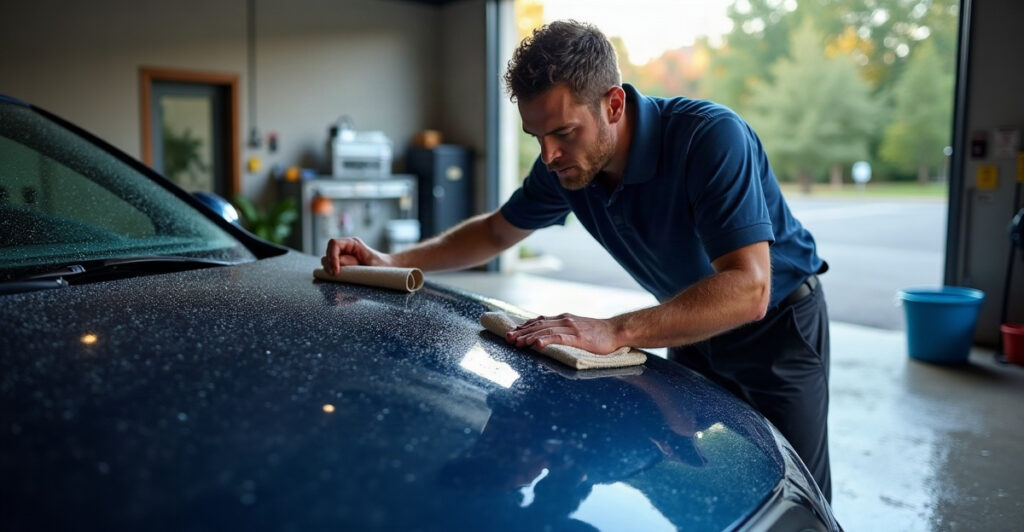
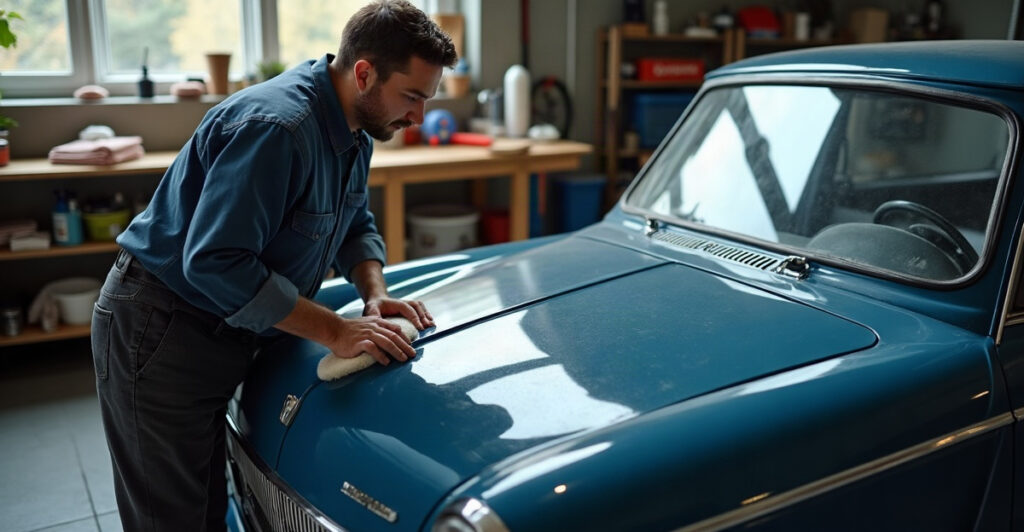
Washing removes loose dirt, dust, mud, and routine surface grime. It is essential maintenance, but it cannot always remove material that has bonded to the paint.
Decontamination of car paint targets those bonded contaminants and embedded residues. It can improve the smoothness of paint and help restore a cleaner-looking finish. It may also improve paint clarity and gloss by removing the contamination sitting on top of the surface. However, it does not repair the paint itself.
Paint correction addresses visible defects in the paint, such as swirl marks, light scratches, haze, and some oxidation. Our paint correction guide explains how polishing refines the clear coat to reduce those defects. For a closer look at expected results, see what paint correction does.
A paint decontamination car service will not remove deep scratches, rock chips, dents, severe oxidation, fading, failed clear coat, or peeling paint. Those issues may require paint correction, touch-up work, repainting, or body repair. A clean and smooth surface is a better starting point, but it is not a substitute for repair work or polishing.
We also hear the question, “does a clay bar remove scratches?” The answer is no. Clay removes bonded contamination from the surface. It does not level scratches or restore damaged clear coat.
Signs Your Vehicle May Need Paint Decontamination
The clearest sign is paint that feels rough after washing and drying. Run clean fingertips lightly across the paint after a proper wash. If the surface feels gritty or uneven, bonded contamination may still be present.
Small rust-colored specks can also indicate ferrous contamination. These are tiny iron-containing particles commonly associated with embedded brake dust, rail dust, or industrial fallout. They can settle into paint, wheels, and other exterior surfaces even when the vehicle appears clean from a distance.
Tar, sap, overspray, mineral deposits, and stubborn road film that remain after a normal wash are also good reasons to assess the surface. Outdoor storage, winter driving, parking near rail lines or construction activity, and frequent outdoor recreation can increase the need for decontamination.
How often should you decontaminate car paint? There is no single schedule that fits every vehicle. Age, paint condition, storage, driving routes, wash habits, contamination level, and future plans for protection should guide the decision. A newer garage-kept vehicle may need less intensive treatment than a vehicle that sees winter roads, outdoor storage, construction areas, or frequent rail transport exposure.
Decontamination is especially worth considering before polishing, wax, sealant, paint protection film, or ceramic coating. It gives us a clean foundation so we can accurately assess what the paint needs next.
How the Car Paint Decontamination Process Works
The car paint decontamination process should be based on inspection. We don’t use the same level of chemical or mechanical decontamination on every vehicle because each surface has different exposure, condition, and protection goals.
We start with an assessment of the paint and exterior surfaces, followed by a thorough pre-rinse and hand wash. From there, we may use chemical decontamination products such as an iron remover for ferrous particles or a tar remover for tar and similar residues. These products help break down contamination without relying solely on physical contact.
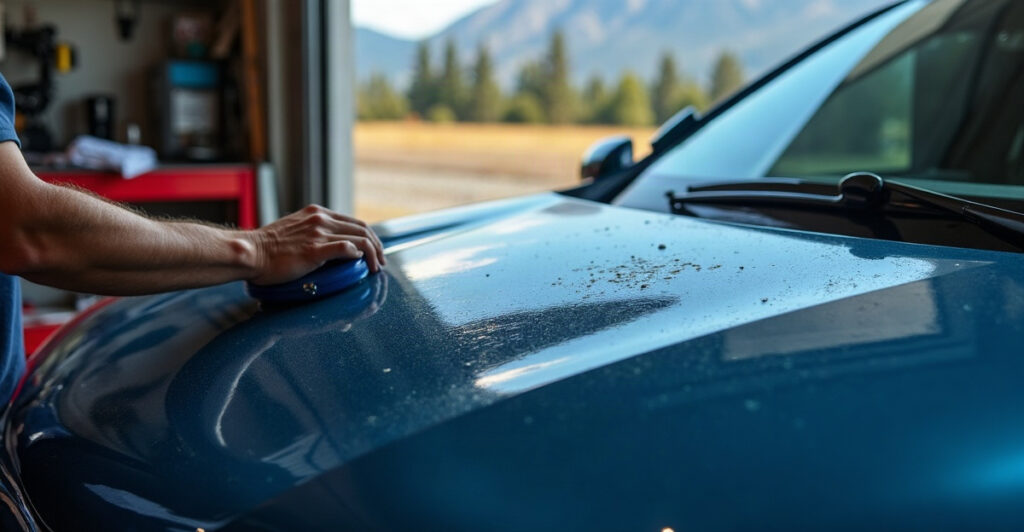
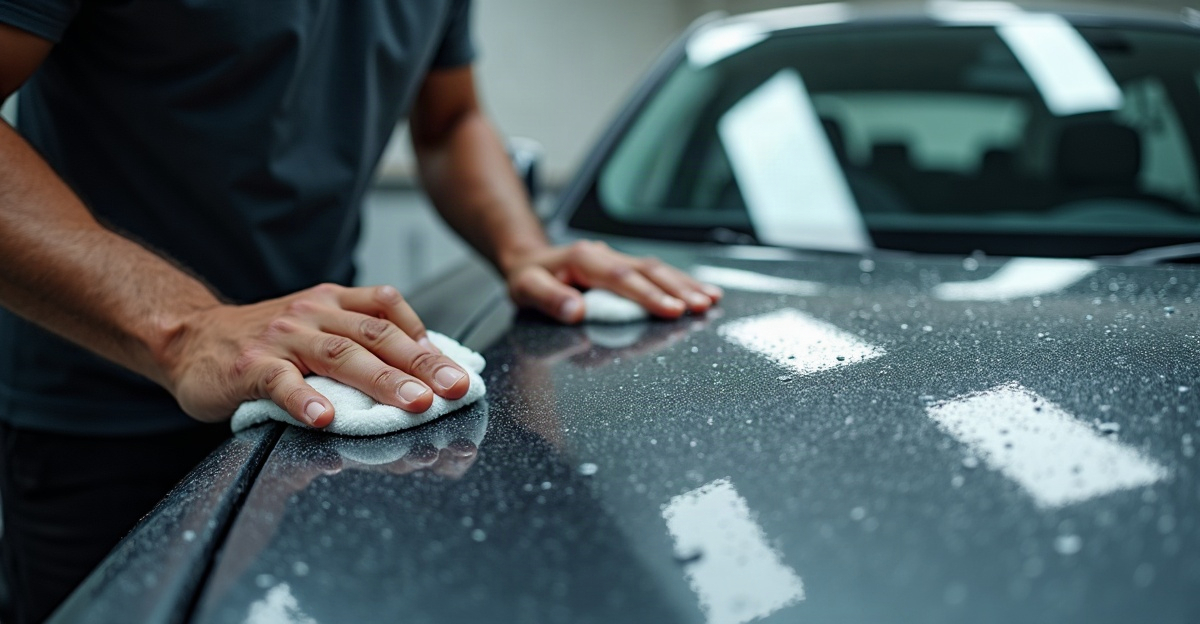
Mechanical decontamination may follow when bonded material remains. This uses a clay bar, clay mitt, or similar clay media with ample lubrication. Clay lifts contamination from the surface, leaving paint smoother and ready for the next stage. Chemical and mechanical decontamination do different jobs, and neither should be treated as automatically necessary in every situation.
After rinsing and drying, we inspect the paint again. If swirls, scratches, oxidation, or haze remain, polishing may be the right next step. Our overview of paint correction stages explains how we select a correction approach based on the paint’s condition.
Mechanical decontamination requires proper technique. Marring is light haze or fine marks that can occur when clay is used improperly. Working on a dirty surface, using insufficient lubrication, applying too much pressure, or choosing aggressive clay media can increase that risk. Proper preparation and product selection keep the process controlled.
Why Proper Preparation Matters Before Wax, Sealant, or Ceramic Coating
Car paint decontamination before ceramic coating helps create a clean, smooth surface before protection is applied. Bonded contamination can interfere with surface cleanliness and consistency, which matters when applying wax, sealant, paint protection film, or ceramic coating.
Good ceramic coating preparation supports consistent bonding, appearance, and easier maintenance. Results still depend on the condition of the vehicle, product selection, installation quality, storage, driving conditions, wash habits, and ongoing care. Ceramic coating does not hide contamination, repair neglected paint, or eliminate the need for routine washing.
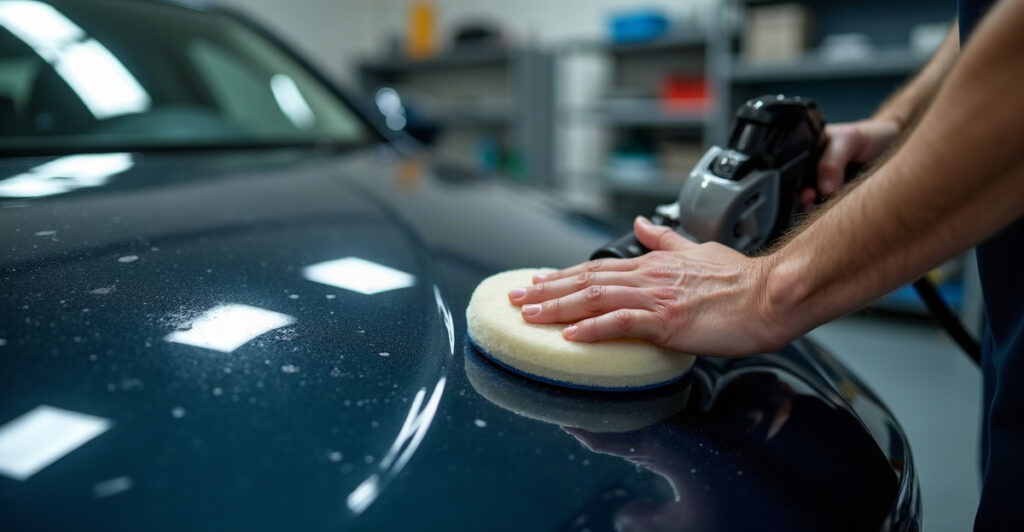
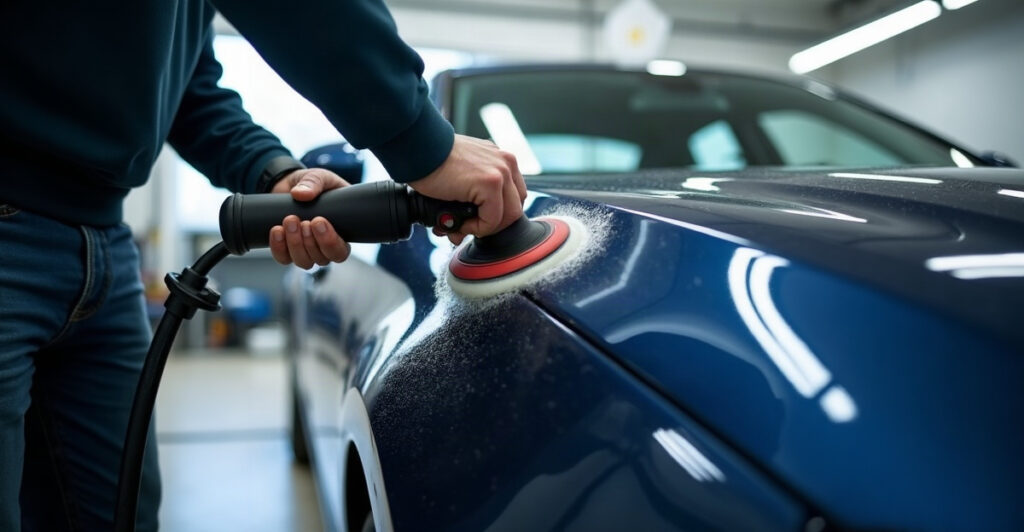
Mechanical decontamination can leave minor marring even with careful work, especially on softer paint. That is why we may recommend polishing after claying when appearance is a priority or before applying a coating. Our paint correction service can refine the finish before protection goes on.
Paint protection film and ceramic coating serve different purposes, so the right choice depends on the vehicle and the intended use. We break down the decision in our guide to paint correction versus ceramic coating. For vehicles ready for coating, our auto ceramic coating service starts with an honest assessment of the paint and the preparation it needs.
Does paint decontamination damage clear coat? Properly selected products and careful technique are intended to remove contamination safely. Poor lubrication, aggressive clay, excess pressure, or improper washing can create marring that may need polishing. We recommend matching the preparation level to the actual paint condition rather than applying unnecessary steps.
Common Questions About Paint Decontamination
Practical Answers for Vehicle Owners
What is paint decontamination on a car? It is the removal of bonded contaminants that remain after normal washing. This may include metallic particles, tar, mineral deposits, road film, sap, overspray, and similar residues attached to paint and other exterior surfaces.
Is car paint decontamination necessary before ceramic coating? It is often an important preparation step because coating should be applied to a properly cleaned and prepared surface. The exact process depends on contamination levels, paint condition, and whether we plan paint correction before coating.
Does a clay bar remove scratches? No. A clay bar removes bonded surface contamination. It does not repair swirl marks, scratches, chips, dents, oxidation, fading, or failed clear coat.
How often should we decontaminate car paint? Frequency depends on exposure and planned services. Vehicles parked outdoors, driven through winter conditions, used near construction areas, or exposed to frequent brake dust may need attention more often. A vehicle prepared for polishing or protection also deserves a fresh assessment before work begins.
Can I decontaminate a car myself? It can be done with the right products, clean surfaces, sufficient lubrication, and proper technique. However, improper clay use can cause marring. Professional help often makes sense before correction work or ceramic coating, where surface quality matters most.
Hard-water spotting deserves separate attention. Some spots may sit on top of the coating or paint, while others may require more involved correction. Our guide to water spots on ceramic coating explains why quick, proper care matters. Once protection is installed, follow a consistent maintenance routine with guidance from our ceramic coating maintenance guide.
For vehicles in Eastern Idaho, Western Wyoming, and surrounding areas, we can assess the paint and discuss practical preparation options before ceramic coating, paint correction, or exterior protection. Contact us for a paint assessment, and we’ll recommend a process that fits the vehicle’s condition and your protection goals.