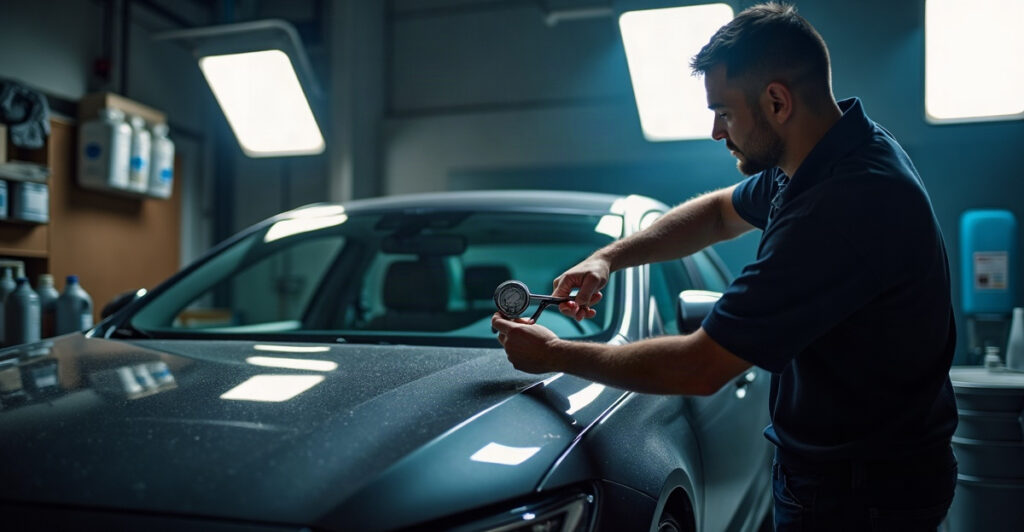
Is Ceramic Coating Good for Winter Vehicle Protection?
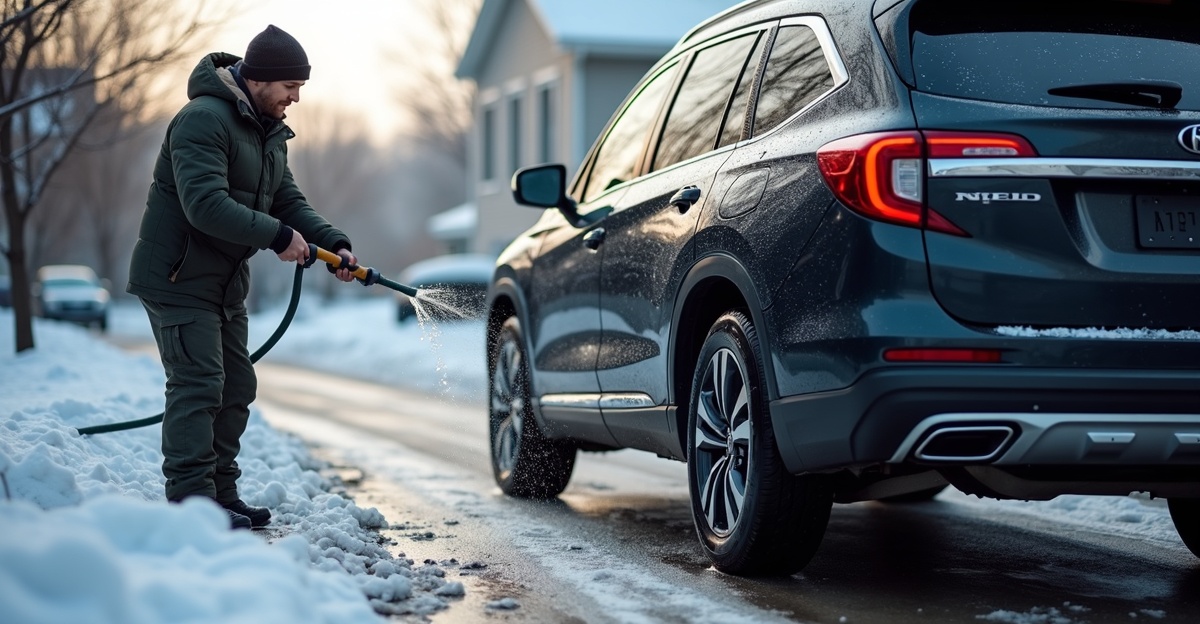
Ceramic coating performs well in winter conditions when we apply and maintain it correctly, because it creates a bonded, chemical-resistant layer that limits salt, brine, and moisture buildup while making cold-weather washing faster and more effective.
Key Takeaways
- Ceramic coating forms a bonded, hydrophobic layer that limits how salt, slush, and magnesium chloride cling to the paint. We see water bead and sheet off quickly, which reduces surface contamination and shortens exposure time.
- It slows chemical damage in harsh winter conditions, but it does not make a vehicle rust-proof or chip-proof. We still recommend paint protection film in high-impact areas if we want defense against rock chips.
- Freeze-thaw cycles cause less stress when water evacuates the surface quickly, which reduces dwell time and staining. Less standing moisture means fewer opportunities for corrosion to start.
- Professional prep and controlled installation determine durability and long-term performance. We correct paint, remove embedded contaminants, and install the coating in stable conditions to ensure proper bonding.
- Regular rinsing, especially on lower panels and wheel areas, remains necessary through winter. We focus on rocker panels, wheel wells, and rear bumpers where salt accumulates heavily.
What Ceramic Coating Actually Does in Harsh Winter Conditions
Ceramic coating is good for winter vehicle protection. It provides meaningful defense against harsh conditions, but it does not make a vehicle winter-proof.
A professional ceramic coating forms a hardened, chemical-resistant layer that bonds directly to the clear coat. That bonded layer acts as a shield against contamination and moisture. It does not sit on top like wax. It becomes part of the surface.
In Eastern Idaho and Western Wyoming, vehicles face serious winter exposure. Road salt, magnesium chloride brine, sand, snow, slush, moisture, and constant freeze-thaw cycles all attack paint. Ceramic coating for winter conditions helps reduce how aggressively those elements bond to the surface.
Here’s what actually happens in winter:
- Water, slush, and brine bead up and sheet off because of the coating’s hydrophobic properties.
- Salt and grime do not cling as tightly to the paint.
- Washing becomes faster and more effective, even during cold months.
- Gloss holds up better despite repeated storms and road treatments.
That hydrophobic behavior is one of the biggest advantages of ceramic coating in winter. When water does not sit on the surface as long, it reduces dwell time for corrosive materials. That slows chemical damage.
Slowing damage is different from stopping it. If salt and brine sit on the paint for weeks, corrosion can still happen. Ceramic coating winter protection reduces risk. It does not eliminate it. Regular rinsing still matters.
Real Winter Benefits You’ll Notice on the Road
Drivers see the difference quickly after ceramic coating in winter conditions. The biggest change usually shows up after highway driving.
Lower panels do not load up with grime as aggressively. Salt brine buildup does not bond as tightly to the paint. At self-serve washes, a pressure rinse removes far more contamination than it would from an unprotected vehicle.
Salt staining also becomes less of a problem. That white residue that normally sticks around after drying does not cling as strongly. Wheels clean up faster, too. Brake dust and road salt release more easily, which saves time in freezing temperatures.
Freeze-thaw cycles are hard on paint. Water seeps in, freezes, expands, and repeats. Hydrophobic coatings reduce how long water remains on the surface. Less dwell time means less opportunity for moisture to work into microscopic imperfections.
We also need to stay realistic. Ceramic coating will not stop rock chips from sand and gravel. Highway sanding in our region throws debris at high speeds. Coating is a chemical barrier. It is not a thick impact shield.
For trucks, SUVs, and high-mileage daily drivers, long-term preservation is where value adds up. Vehicles exposed to mountain roads, ski trips, job sites, and heavy commuting benefit the most. Over time, preserved gloss and reduced chemical wear help protect resale value and overall appearance.
What Ceramic Coating Cannot Do in Winter (Setting Realistic Expectations)
Clear expectations prevent disappointment.
Ceramic coating is not chip-proof. It does not replace paint protection film on high-impact areas. If impact resistance is the goal for front bumpers and rocker panels, that is a different solution.
It is not rust-proof if salt is ignored completely. Leaving heavy salt buildup on any vehicle for extended periods will eventually cause issues.
It does not remove the need for washing. Maintenance remains part of ownership.
Durability also depends heavily on preparation and application. Professional surface prep, including proper paint correction, ensures the coating bonds correctly. Skipping prep or applying low-grade products leads to shorter lifespan and weaker performance.
Traditional wax breaks down quickly in harsh winter conditions. Snow, salt, and detergents strip it fast. Synthetic sealants last longer than wax, but generally do not match the lifespan or chemical resistance of professional ceramic coatings.
Paint Protection Film (PPF) serves a different role. PPF is a physical barrier against rock chips and heavy impact. Ceramic coating is a thin, chemical-resistant layer. Both have value, but they solve different problems.
The product quality, prep work, installation environment, and follow-up maintenance determine results. The label alone does not guarantee performance.
Durability and Timing: Should You Apply It Before or During Winter?
The ideal time to apply ceramic coating for winter is before heavy salt and sand hit the roads. Protecting clean, uncontaminated paint produces the best outcome.
That said, coating can be installed during winter if it is done indoors under controlled conditions. Temperature and humidity must allow proper curing. Immediate exposure to moisture or road chemicals right after installation should be avoided to protect performance.
Harsh climates can slightly reduce overall longevity compared to mild regions. Constant brine, abrasive sand, and frequent washing add stress. Driving frequency plays a major role as well. High-mileage highway commuters will cycle their coating faster than garage-kept secondary vehicles.
New vehicles benefit from early protection. Protecting factory paint from day one limits long-term damage and reduces the need for future correction work. Older daily drivers can still gain meaningful improvement, especially after proper prep. Restoring gloss and sealing it in provides both cosmetic and protective advantages.
Expected lifespan varies. Maintenance habits, storage conditions, and exposure levels all matter. Realistic expectations lead to better long-term satisfaction.
Winter Maintenance for a Ceramic-Coated Vehicle
Ceramic coating winter performance still depends on routine care.
Regular rinsing is critical in Eastern Idaho and Western Wyoming. Salt and magnesium chloride should not sit for long periods. Even a quick pressure rinse between storms makes a difference.
Touchless washes or careful self-serve bays work well during freezing conditions. Focus on lower panels, wheel wells, and behind mud flaps. That is where brine and sand collect the most.
Avoid abrasive automatic brushes. Those can cause swirl marks regardless of coating.
One of the biggest advantages of ceramic coating in winter is easier cleaning. Contaminants release faster. Less scrubbing is required. That reduces the chance of scratching the surface during cold-weather washes.
Consistent maintenance helps preserve hydrophobic behavior and supports the expected lifespan of the coating.
Cost-to-Benefit: Who Benefits Most from Ceramic Coating in Winter Climates?
Ceramic coating is an investment. The return depends on how the vehicle is used and how long it will be owned.
Long-term owners planning to keep vehicles five years or longer typically see strong value. Preserving paint reduces the need for heavy correction or premature repainting. New vehicle owners who want to maintain factory-level appearance also benefit.
High-mileage commuters driving salted highways daily put their paint under constant stress. Protection becomes practical, not cosmetic.
Truck and SUV owners often face even harsher use. For larger vehicles exposed to job sites, towing, and mountain travel, truck and SUV ceramic coating provides measurable advantages. Sedans and performance vehicles also benefit from professional auto ceramic coating services that prioritize durability.
Comparing cost against repeated paint correction, neglected winter damage, or accelerated depreciation changes perspective. Maintaining original paint is almost always less expensive than fixing failure later.
Every situation is different. Driving habits, storage conditions, and winter severity all factor in. We encourage practical conversations about goals and expectations. Anyone considering winter protection can review our full range of detailing and coating services or reach out directly through our contact page for a straightforward evaluation. We provide clear answers and realistic guidance so informed decisions can be made with confidence.