How Long Does Paint Correction Last on Your Vehicle?
Paint correction lasts as long as we maintain the vehicle through proper washing, protection, and daily driving habits. Correction permanently removes the defects addressed during service. However, new swirl marks, contamination, and environmental damage can reduce gloss over time.
Key Takeaways
- Paint correction can keep a vehicle looking dramatically better for years with consistent finish care.
- Safe hand washing, clean microfiber towels, and quick contaminant removal help us prevent fresh marring and chemical etching.
- Automatic brush washes, dry wiping, outdoor storage, road grit, and severe weather can create new defects much sooner.
- Ceramic coating helps us maintain the corrected finish through easier cleaning and added resistance. However, it can’t prevent every scratch, chip, or water spot.
- A professional should inspect paint thickness, previous polishing work, and damage severity before recommending further correction.
The Short Answer: Corrected Paint Can Stay Improved for Years
Paint correction does not wear off like wax, sealant, or a ceramic coating. It removes or reduces existing defects by refining a small amount of the clear coat, which is the transparent top layer that creates gloss and protects the color beneath it.
So, how long does paint correction last? A properly corrected finish can remain noticeably improved for years. The exact result depends on what happens after correction. New scratches, wash marks, contamination, and environmental exposure can gradually reduce the clean, glossy appearance.
The original swirl marks and light defects usually do not return. What may appear later are new defects caused by normal driving, washing, outdoor storage, or neglected contamination. We explain the process in more detail in our guide on how paint correction works.
How long a paint correction lasts depends less on a calendar and more on protection and maintenance. Careful washing, prompt contaminant removal, and a suitable protective product help preserve the corrected finish.
What Makes Paint Correction Results Fade or Stay Visible?
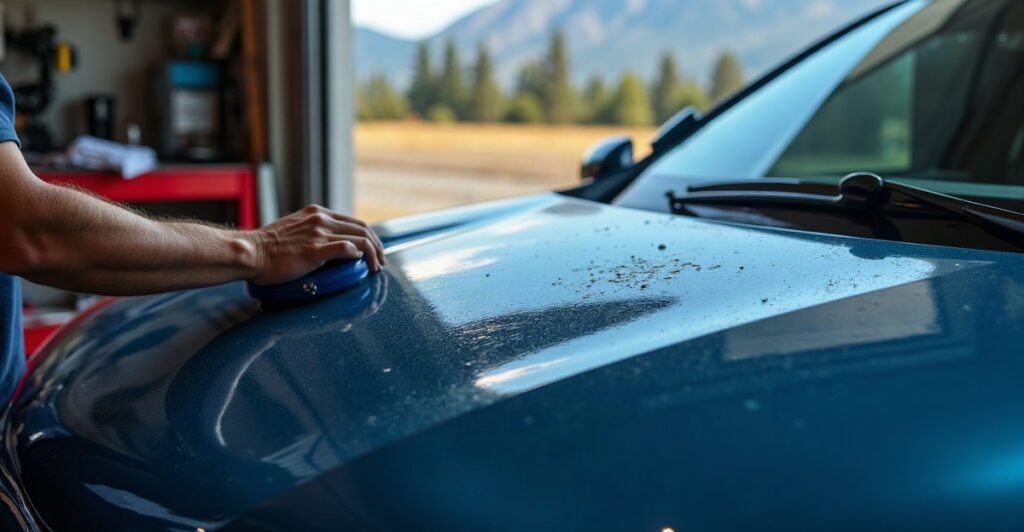
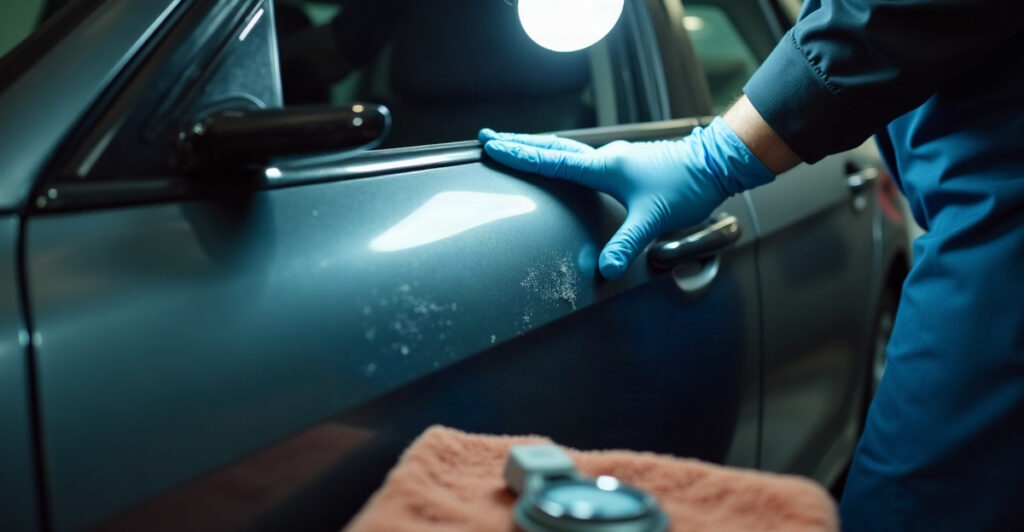
Paint correction creates a permanent improvement to the defects that were safely removed or reduced. However, vehicle paint faces new exposure every day. Swirl marks, light scratches, water spots, mineral deposits, oxidation, bug residue, bird droppings, tree sap, road film, and bonded contamination can all reduce gloss over time.
Wash-induced marring is one of the most common causes of renewed haze. It refers to fine scratches or dull marks created when dirt gets dragged across paint during washing or drying. Automatic brush washes commonly cause this type of damage, even on well-protected vehicles.
Chemical etching can also affect the finish. This is surface damage caused when bird droppings, bug residue, tree sap, or mineral-heavy water remains on paint too long. Heat and sunlight can make the damage worse.
Several factors determine how long paint correction stays visible. Daily drivers accumulate more road film and contamination than lightly used, garage-kept vehicles. Outdoor parking exposes paint to UV rays, dust, moisture, sap, and bird droppings. Safe hand washing protects the finish far better than brush washes or dry wiping.
Eastern Idaho and Western Wyoming add their own challenges. Winter road grit and de-icing materials, windblown dust, strong UV exposure, outdoor parking, gravel roads, and recreational use can accelerate contamination and fresh marring. Trucks, SUVs, RVs, motorcycles, watercraft, and other recreational vehicles often need more frequent cleaning and inspections when used outdoors or driven on gravel.
Understanding What Paint Correction Can—and Cannot—Fix
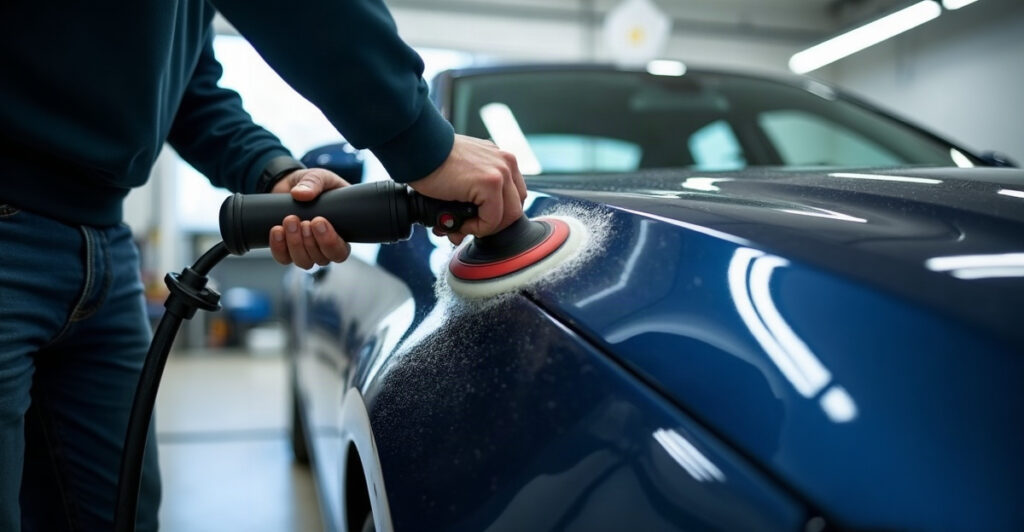
Paint correction improves paint by leveling or refining the clear coat. It does not fill defects temporarily or hide them under a shiny product. A one-step correction generally improves gloss and reduces lighter swirls and haze. Multi-step correction can address more significant swirl marks and scratches.
We always recommend the least aggressive effective approach. Clear coat is finite, so aggressive polishing or repeated correction is not automatically the right answer. A professional inspection should consider the paint’s age, condition, prior repairs, and previous polishing history. Paint-thickness readings can help identify thin areas or repainted panels before correction begins.
Correction can produce a major visual improvement, but no honest professional should promise a flawless finish on every vehicle. Deep scratches that extend beyond the clear coat may remain partly visible. Rock chips, dents, severe etching, clear-coat failure, poor repaint work, and heavily weathered paint may require touch-up, refinishing, paintless dent repair, or another repair process.
For a clearer view of realistic results, see what paint correction does. We also explain whether paint correction fixes scratches and why paint correction does not fix chips in every situation.
Older, thin, damaged, repainted, or previously corrected paint requires extra caution. The goal is always meaningful improvement without taking unnecessary material from the clear coat.
Does Paint Correction Last Longer With Ceramic Coating?
Ceramic coating can help preserve the appearance created by paint correction, but it does not perform correction itself. Polishing refines the clear coat. A ceramic coating is a durable protective product applied over the paint to make cleaning easier and improve resistance to environmental exposure.
After correction, a quality coating can support better chemical resistance, UV resistance, water behavior, and day-to-day cleaning. It may also reduce the chance of light wash marring when proper wash methods and clean materials are used.
Ceramic coating does not make paint damage-proof or permanent. It will not stop every scratch, rock chip, water spot, abrasion, contaminant, or impact. Coated vehicles still need regular washing, proper drying, and prompt removal of bird droppings, bugs, sap, and minerals. A coating can also become contaminated, neglected, or damaged.
How long does paint correction last after coating? In most cases, the corrected look stays easier to maintain because the paint has an added protective layer. Coating longevity still varies by product, installation quality, environment, and maintenance. We recommend reviewing the specific manufacturer care requirements and warranty terms for the coating installed. Our ceramic coating service starts with paint condition and realistic ownership goals, not a one-size-fits-all promise.
Choosing the Right Protection Plan After Correction
The right plan depends on where you park, how often you drive, local road conditions, maintenance preferences, appearance goals, resale plans, and budget. Here is a practical comparison.
| Protection Path | Typical Purpose | Benefits | Maintenance Needs | Ideal Owner or Use Case |
|---|---|---|---|---|
| Correction-only | Improve the paint’s current appearance | Better gloss and reduced visible defects | Careful washing and periodic inspection | Owners focused on visual improvement without a long-term protective product |
| Correction plus wax or sealant | Add sacrificial protection and gloss | Extra surface protection with a familiar maintenance approach | Periodic reapplication and consistent washing | Owners comfortable maintaining protection regularly |
| Correction plus ceramic coating | Support easier cleaning and longer-term exterior protection | Chemical resistance, UV resistance, improved water behavior, and preservation of corrected paint | Coating-safe washing and installer-recommended care | Owners who want lasting exterior protection and will maintain it properly |
| Paint protection film for high-impact areas | Protect vulnerable paint from debris and abrasion | Added defense in exposed areas | Routine washing and inspection | Vehicles driven on gravel roads, highways, during winter, or for outdoor recreation |
A garage-kept weekend vehicle may do well with correction and a simpler protection plan. A daily-driven truck or SUV that sees gravel, winter roads, or trailhead parking may benefit from stronger protection in high-impact areas. We recommend reviewing available options through our vehicle protection services before choosing based on cost alone.
How to Keep a Corrected Finish Looking Its Best
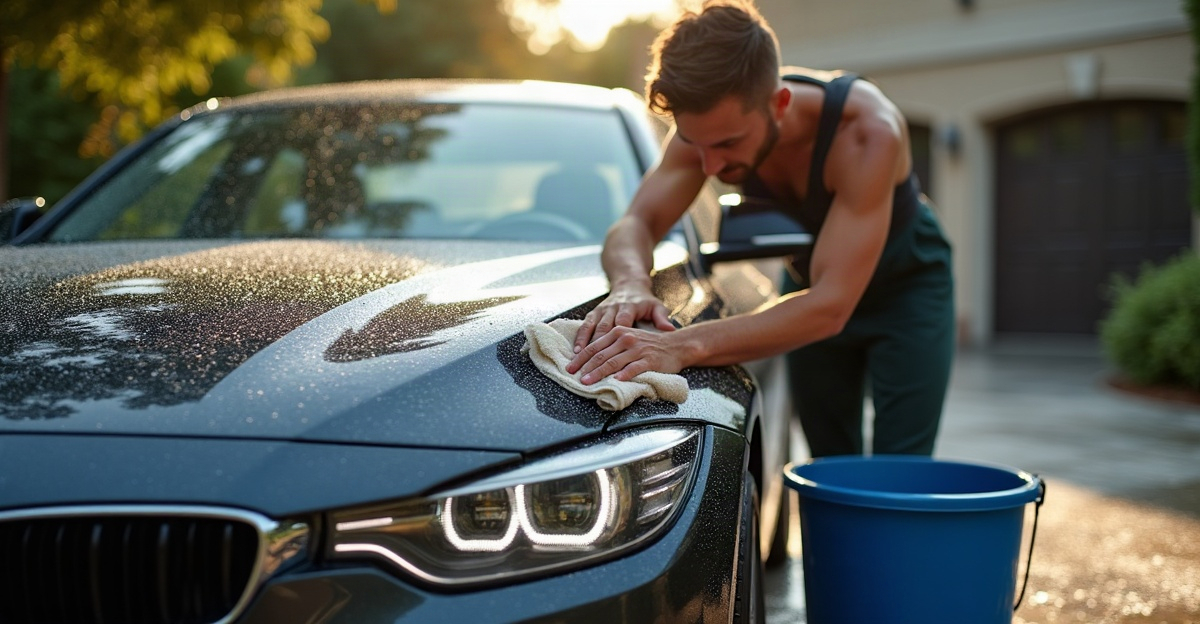
Regular maintenance has the biggest effect on how long corrected paint stays glossy. Wash before dirt, road film, and grit build up. Use a safe hand-wash method, clean wash media, quality microfiber drying towels, and pH-appropriate vehicle-care products.
Avoid automatic brush washes and never wipe dusty paint dry. Remove bird droppings, bug residue, tree sap, and mineral-heavy water spots promptly. Schedule professional decontamination or inspection when the paint feels rough, loses water behavior, or starts looking dull. If a coating has been applied, follow its maintenance recommendations closely.
Does Paint Correction Wear Off?
No. The defects removed during correction do not typically come back. New damage can make the finish look less corrected over time.
How Long Does a Paint Correction Last Without Ceramic Coating?
It can look improved for years with careful washing and protection. Unprotected paint faces more direct exposure, so new defects may become visible sooner.
How Long Does Paint Correction Last After Coating?
A coating can help preserve the corrected appearance by making proper cleaning easier and increasing resistance to common environmental exposure. Results still depend on maintenance and driving conditions.
Can Swirl Marks Come Back After Paint Correction?
The original marks generally do not return. Fresh swirl marks can develop from improper washing, dirty towels, brush washes, or dry wiping.
Does Ceramic Coating Prevent Scratches?
No. Coatings help with maintenance and resistance, but they do not prevent every scratch, chip, or impact.
How Often Can a Vehicle Be Paint Corrected?
There is no fixed schedule. Paint thickness, defect severity, previous correction history, and overall paint condition should be assessed before recommending additional polishing.
Is Paint Correction Worth It on an Older Vehicle?
Often, yes. Age alone does not determine whether correction makes sense. Healthy paint with dullness, swirls, and light defects can respond very well, while failing clear coat or severe damage may need repair instead.
For an accurate answer on correction potential and protection options, schedule a professional paint assessment. We can evaluate the paint, explain realistic results, and recommend a plan that fits the vehicle, storage situation, driving habits, and ownership timeline.