Paint Correction vs Ceramic Coating: Which Do You Need?
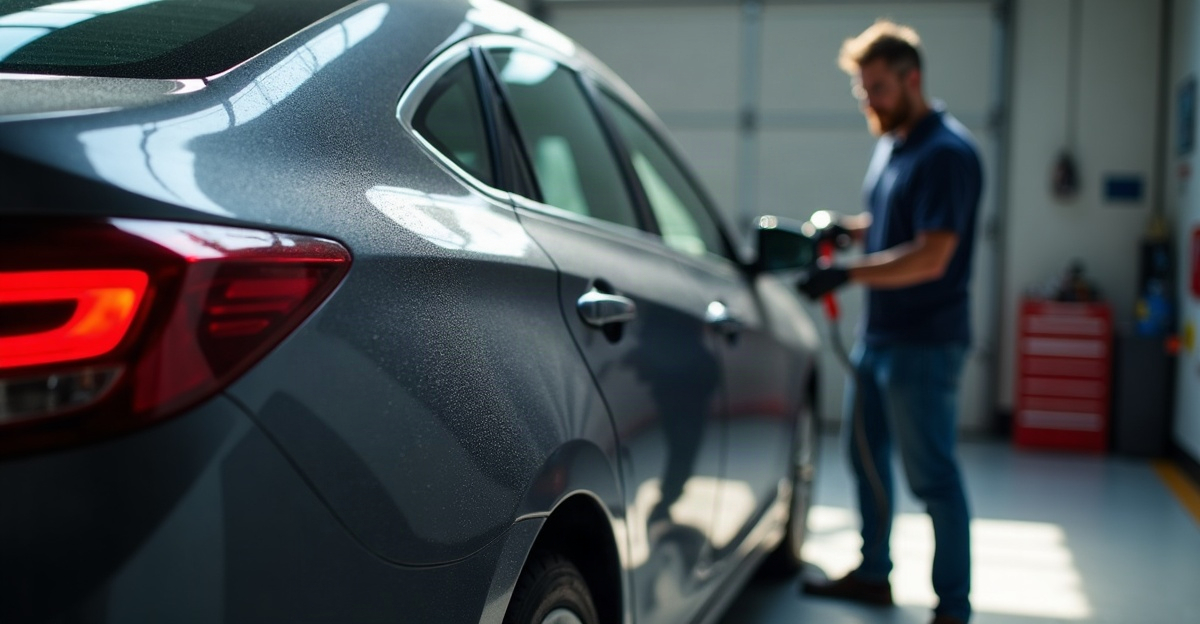
Paint correction and ceramic coating serve different purposes. We use paint correction to reduce existing defects. We apply ceramic coating to help protect the finish afterward. Paint correction can safely reduce swirls, haze, oxidation, and light scratches. Ceramic coating helps preserve a prepared finish, simplify cleaning, and resist routine environmental exposure.
Key Takeaways
- Paint correction improves the clear coat’s current appearance. It can’t safely repair deep scratches, rock chips, dents, or failing clear coat.
- Ceramic coating doesn’t remove or conceal existing defects. It adds protection, gloss, and easier maintenance to the surface below.
- We often recommend a light polish before coating for daily drivers, work vehicles, and owners who want visible improvement without chasing a near-perfect finish.
- Full or multi-step correction can suit vehicles with heavier swirls, dullness, oxidation, or visible haze, provided the paint has enough material remaining.
- The right service depends on paint condition, vehicle use, storage, winter driving, sun exposure, road treatments, budget, and maintenance habits.
The Short Answer: Improve Existing Defects, Protect the Finish, or Do Both
Paint correction improves the paint’s current appearance, while ceramic coating helps protect that appearance going forward. In paint correction vs. ceramic coating, the right choice depends on whether existing defects or future protection matter most.
Choose paint correction when swirls, haze, dullness, oxidation, or light scratches are the main concern. Choose ceramic coating when paint already looks good and easier maintenance with durable protection is the priority. Choose both services when the goal is to improve the finish now and help preserve it afterward.
Limited correction plus coating can also be the right middle ground. This approach delivers a noticeable improvement without pursuing near-perfect paint.
Paint correction and ceramic coating are complementary services, not interchangeable services or a forced choice. The best recommendation depends on paint condition, intended use, maintenance habits, budget, and the desired result. In Eastern Idaho, Western Wyoming, and nearby areas, winter road treatment, outdoor storage, UV exposure, dust, gravel roads, off-road recreation, and frequent driving all affect that decision.
What Paint Correction Does—and What It Cannot Fix
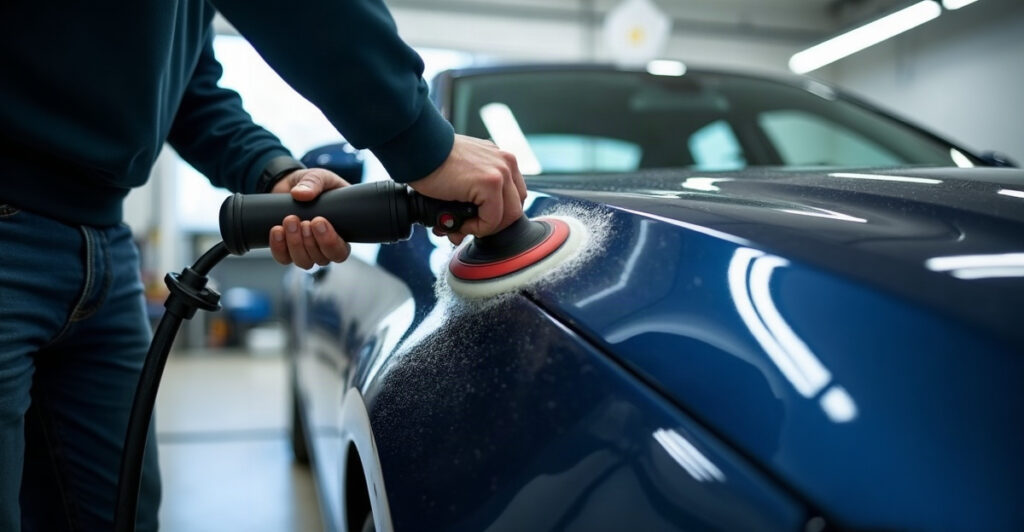
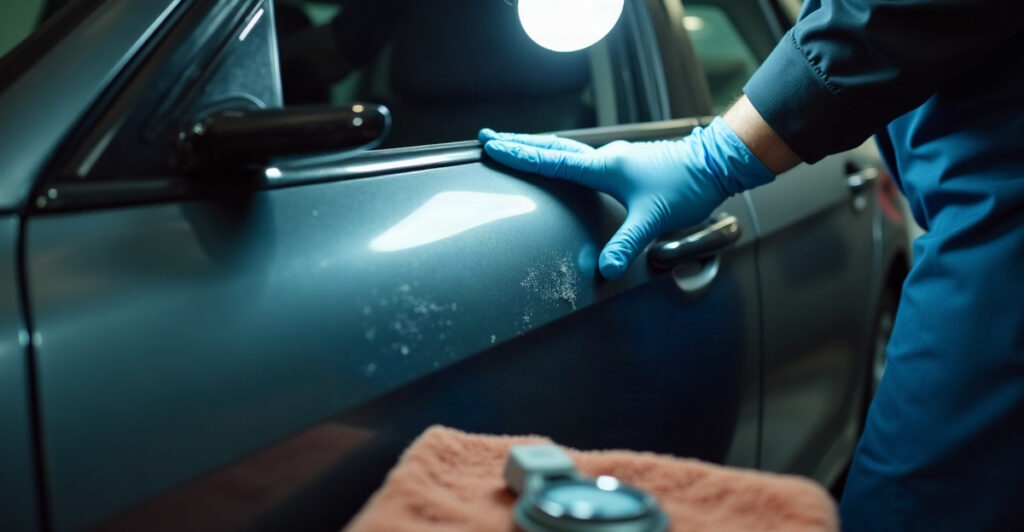
Paint correction uses controlled machine polishing to reduce or remove certain defects in the clear coat. The clear coat is the transparent top layer of automotive paint that provides gloss and protects the color underneath.
A professional paint correction service can improve swirl marks, light scratches, haze, oxidation, dullness, and some water-spot etching when the defects can be corrected safely. Swirl marks are fine circular or web-like scratches, often caused by improper washing or drying. Oxidation is dullness or fading that develops through age and exposure.
Paint correction is not one standard package. A light enhancement polish can improve gloss and reduce minor marring. A one-step correction provides stronger defect removal in a single polishing stage. Multi-step correction uses several stages to address heavier visible defects and refine the finish further.
The proper approach depends on paint condition, paint hardness, vehicle age, prior repairs, clear-coat thickness, and expectations. Not every defect should be removed. Preserving clear coat should take priority over chasing perfection.
Deep scratches, rock chips, severe etching, clear-coat failure, and damage extending beyond the clear coat may need touch-up work, repainting, or realistic acceptance. Polishing cannot safely repair every issue. Our guide on how paint correction works explains this process in greater detail.
Correction also does not make paint permanent. Future wash marring, scratches, road debris, and environmental exposure can still affect the finish without careful maintenance.
What Ceramic Coating Protects—and Its Real Limits
Ceramic coating is a protective layer applied to properly prepared paint. It can improve gloss, make washing easier, reduce contaminant bonding, and provide resistance to UV exposure, chemicals, and light wash-induced marring.
In practical terms, ceramic coating protection helps a vehicle stay easier to clean and better prepared for normal environmental exposure when it receives proper care. That can matter for vehicles exposed to road treatment in winter, summer sun, dust, outdoor storage, gravel roads, and off-road use.
A coating does not remove scratches, swirl marks, oxidation, water spots, dents, rock chips, or existing paint defects. It may make the finish look glossier or deeper, but it will not conceal meaningful imperfections. For a closer look at the benefits, see what ceramic coating does.
Ceramic coating is not scratch-proof, chip-proof, permanent, or maintenance-free. It does not prevent every scratch, rock chip, dent, or mark from improper washing. It also does not replace careful washing, routine maintenance, or repairs after physical damage.
Longevity depends on coating type, surface preparation, curing, vehicle storage, mileage, climate, sun exposure, winter driving, washing habits, and maintenance practices. A professionally installed ceramic coating gives the finish its best starting point, but long-term results still depend on how the vehicle is used and maintained.
Paint Correction vs. Ceramic Coating: Side-by-Side Comparison
| Service | Primary Purpose | Problems Solved | Problems Not Solved | Best For | Maintenance Expectations | Can It Be Combined? |
|---|---|---|---|---|---|---|
| Paint correction | Improve existing paint appearance | Swirl marks, light scratches, haze, oxidation, dullness, and some water-spot etching when safely correctable | Deep scratches, rock chips, dents, clear-coat failure, and defects beyond the clear coat | Vehicles where visible paint defects are the main concern | Careful washing remains necessary to limit new marring | Yes. It is often followed by ceramic coating to protect the improved finish. |
| Ceramic coating | Protect the existing finish and simplify maintenance | Helps reduce contaminant bonding and provides resistance to UV exposure, chemicals, and light wash-induced marring | Existing scratches, swirl marks, oxidation, water spots, dents, rock chips, and physical damage | Well-kept vehicles or owners prioritizing protection and easier maintenance | Routine washing and proper care remain necessary | Yes. It can be applied after full, partial, or limited paint correction. |
The ceramic coating vs. paint correction decision often is not an either-or choice. A coating preserves and can highlight the surface beneath it. That is why a balanced combination of correction and protection often produces the most satisfying long-term result.
Do You Need Paint Correction Before Ceramic Coating?
Paint correction before ceramic coating is often recommended because the coating preserves and can highlight the condition beneath it. However, full correction is not mandatory for every owner.
A limited polish or protection-focused coating package can be a sensible choice for daily drivers, work vehicles, budget-conscious owners, or vehicles where perfection is not the goal. Light polishing can remove enough wash marring and haze to improve the final appearance without pursuing every remaining mark.
Ceramic coating preparation matters as much as the coating itself. We thoroughly wash the vehicle, perform decontamination to remove bonded contaminants that normal washing may leave behind, use iron removal, complete clay treatment when needed, polish the surface as appropriate, wipe down panels, and maintain suitable curing conditions. These steps affect final appearance and coating performance.
A newer vehicle with dealership-installed swirls or light wash marring often benefits from a light polish before coating. An older vehicle with oxidation, dull paint, and visible swirls may justify multi-step correction before protection, provided the paint condition supports it. A well-kept newer vehicle may only need limited polishing before coating.
For work trucks, off-road vehicles, and outdoor-stored vehicles, practical protection and easier maintenance often matter more than flawless correction. RVs, motorcycles, watercraft, and recreational vehicles also need a service plan based on surface size, UV exposure, water exposure, storage, and normal use patterns.
Choosing the Right Service for Your Vehicle and Maintaining the Result
Start with the current paint condition. Vehicles with visible defects generally benefit from some level of correction, while well-kept paint may be ready for protection-focused service. Next, consider use: daily commuting, work-truck duty, winter driving, outdoor storage, off-road travel, water use, and seasonal recreation all create different exposure levels.
Then define the desired result. Some owners want a major appearance improvement. Others need practical protection for a high-use vehicle. Many prefer a balanced result that improves the finish while keeping the investment reasonable. Budget and maintenance habits should guide the final recommendation.
Cars, trucks, RVs, motorcycles, watercraft, and recreational vehicles all face different surface considerations. Not every vehicle requires extensive correction or the highest-tier coating package. A realistic plan usually provides better value than a package that does not fit the vehicle’s use.
Good ceramic coating maintenance includes careful washing and drying to reduce wash-induced marring. Remove contaminants promptly when practical, and do not assume a coating eliminates routine washing, inspections, or repairs after physical damage. Storage, sun exposure, winter driving, mileage, and wash habits all influence long-term performance. For added perspective, read about ceramic coating value and scratch protection limits.
Frequently Asked Questions
Is paint correction necessary before ceramic coating? It is often recommended, but it is not required in every case. The level of correction should match paint condition, expectations, and budget.
Does ceramic coating hide scratches or swirl marks? No. It can add gloss, but existing defects remain visible and may stand out more under certain lighting.
Can ceramic coating prevent rock chips? No. Ceramic coating does not prevent all impact damage from road debris or gravel.
How long does paint correction last? The improved appearance lasts until new defects develop. Careful washing, drying, storage, and protection help preserve the result.
Does paint correction remove deep scratches? It can reduce some scratches, but deep scratches that extend beyond the clear coat may need touch-up, repainting, or acceptance.
Can we ceramic coat an older vehicle? Yes. A ceramic coating plan for an older vehicle should begin with an assessment of paint health, defects, and realistic correction options.
Is ceramic coating worth it for a daily driver or work truck? A daily driver ceramic coating or work truck ceramic coating can make routine cleaning easier and provide useful environmental protection. The right value depends on mileage, storage, exposure, and maintenance habits.
How should we maintain a ceramic-coated vehicle? Use safe wash methods, dry carefully, remove contaminants in a timely manner, and inspect the vehicle after harsh weather or physical damage.
We invite vehicle owners to schedule a paint assessment with All In Ceramic Coating. Photos can be helpful, but paint condition, prior work, clear-coat health, and defect depth are best evaluated under proper lighting. We will discuss the vehicle’s condition, goals, use, and the appropriate level of correction and protection without pressure.