Paint Correction Stages: How the Process Works?
Paint correction ranges from a one-step polish for light swirls and haze to multi-stage refinement for visible defects. Each service removes a controlled amount of clear coat. We begin with an inspection, thorough preparation, and a test spot. This process helps us match the correction level to the paint condition, vehicle goals, and safe finish limits.
Key Takeaways
- Paint correction improves gloss, clarity, and reflections by reducing surface defects. Unlike waxes or coatings, it doesn’t simply conceal imperfections.
- One-stage correction addresses light defects. Two-stage and multi-stage services add compounding and polishing steps for heavier paint damage.
- Service labels vary between providers. We explain the process, expected results, and paint-safety limits before we begin work.
- Deep scratches, chips, failing clear coat, and severe damage may need paint repair or refinishing instead of polishing.
- Ceramic coating protects corrected paint, but it doesn’t remove defects, prevent every form of damage, or eliminate regular maintenance.
What Paint Correction Can Realistically Improve
Paint correction is a machine-polishing process that reduces the appearance of paint defects by carefully refining a very small amount of clear coat. We use the process to improve the finish itself rather than temporarily hiding flaws under waxes, glazes, or coatings.
It is different from waxing and ceramic coating. Wax can add short-term shine, while a ceramic coating protects the surface after preparation. Paint correction addresses visible defects already present in the clear coat. For a closer look at the basics, see what paint correction is.
Proper correction can improve gloss, clarity, depth, and reflections. It can also reduce swirl marks, wash marring, haze, light oxidation, and other minor surface defects. Marring refers to fine scratches or haze caused by improper washing, drying, or abrasive contact.
The terms one-stage, two-stage, and multi-stage are common service labels, not universal standards. Different paint correction stages can involve different machines, pads, compounds, polishes, passes, and expected results from one shop to another. That is why car paint correction stages should always be explained clearly before work begins.
No responsible provider can guarantee a fixed percentage of defect removal. Paint hardness, clear-coat thickness, color, repaint history, prior polishing, defect depth, maintenance habits, and appearance goals all affect the result. We focus on meaningful improvement while protecting the paint for the long term.
The Different Stages of Paint Correction
What are the stages of paint correction? The right answer depends on the vehicle’s actual condition and the result we want to achieve. We do not recommend the most aggressive package by default. We recommend the safest level of correction that makes sense for the paint and its intended use.
One-Stage, Two-Stage, and Multi-Stage Options
A one-stage correction, often called a one-step polish, uses a single polishing step to noticeably improve gloss and reduce lighter swirls, haze, and mild defects. It is often a practical choice for newer or reasonably well-kept vehicles. This option works well when we want a clean, glossy daily driver without pursuing maximum defect removal.
A two-stage correction generally starts with a defect-focused compounding step, followed by a refining polish. Compounding is a stronger corrective polishing step used to reduce more noticeable defects. The finishing polish then improves clarity and gloss. This approach may reduce moderate swirl marks, oxidation, wash damage, and other visible defects more effectively than a one-stage service. Learn more about what paint correction does before comparing service levels.
Multi-stage correction involves additional correction and refinement steps. It may suit paint with heavier defects, neglect, extensive wash damage, or high appearance expectations. Additional stages are not automatically better. Clear-coat preservation remains the priority, and we stop at the point where further polishing would no longer be responsible.
Dark paint can make swirls and marring easier to see, especially in direct sunlight or inspection lighting. Still, a dark vehicle does not automatically need multi-stage correction. Condition matters more than color alone.
How Professionals Choose the Safest Correction Level
An in-person assessment gives us the information needed to recommend a correction stage or ceramic coating package honestly. Photos can show general condition, but they often hide defect depth, paint variation, repaint work, and other details that affect safety.
We inspect clear-coat health, available paint thickness where appropriate, defect depth, paint hardness, vehicle age, color, repaint history, prior polishing, and maintenance history. A scratch that catches a fingernail may extend beyond the clear coat. Polishing can soften its appearance in some cases, but it may not remove it safely. Our guide on paint correction and scratches explains this distinction in more detail.
Paint-thickness measurement helps us estimate how much paint material may be available on a panel. It is one useful tool, especially on older vehicles, previously corrected finishes, or panels that may have been repainted. It supports safer decisions, but it does not replace visual inspection and a controlled test spot.
We also consider budget, ownership plans, intended use, and the desired finish. A well-kept daily driver may benefit from a less extensive correction. An enthusiast preparing a newer vehicle for coating may choose more refinement. A neglected vehicle may need greater correction, but only if the paint condition supports it. Aggressive polishing is never automatically the best solution, particularly on thin, older, repainted, or previously corrected panels.
What a Quality Paint Correction Process Includes
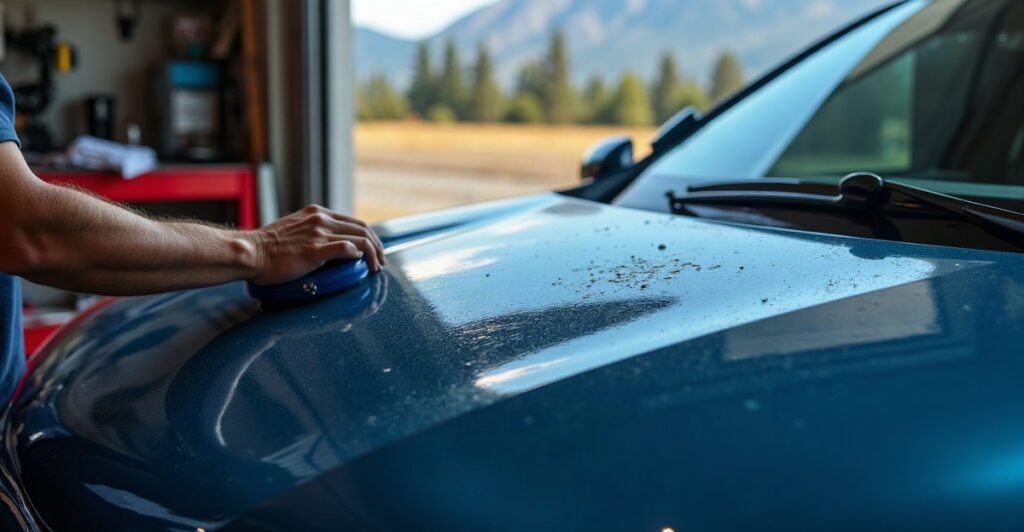
Quality correction starts with preparation. We thoroughly wash the vehicle, including wheels and tires, then remove embedded iron particles, tar, road film, and other contamination with appropriate chemical treatments. We use clay treatment when bonded contamination remains on the paint.
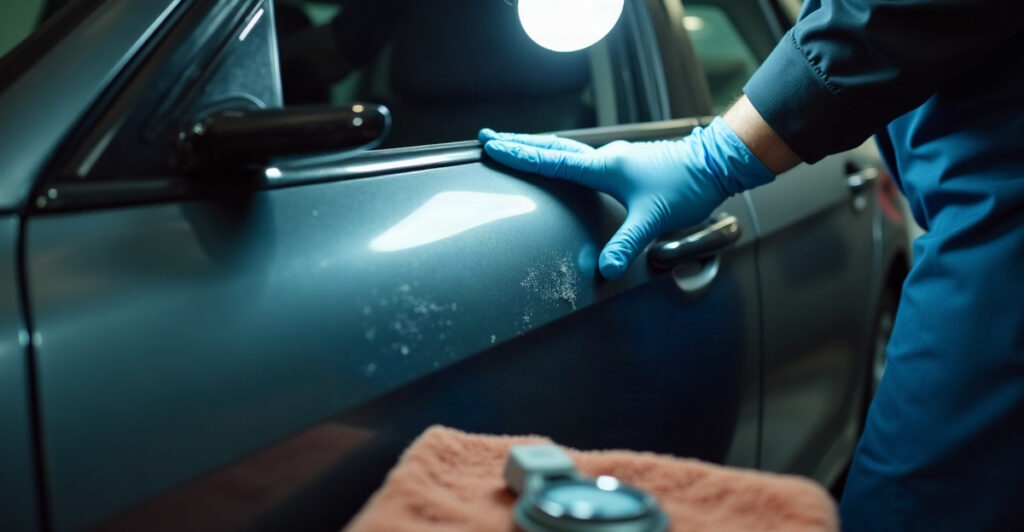
After careful drying, we mask sensitive trim and inspect the paint under dedicated lighting. Good lighting reveals swirls, haze, sanding marks, and other issues that normal daylight can miss.
Next, we perform a test spot. This small working area lets us determine the safest effective pad-and-polish combination before polishing the full vehicle. Each paint system responds differently, so a test spot helps us avoid assumptions and unnecessary correction.
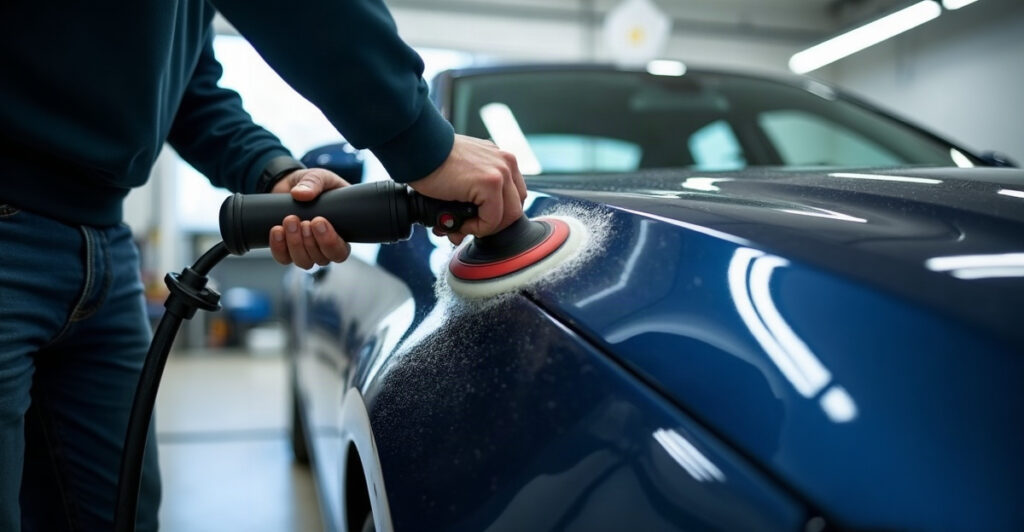
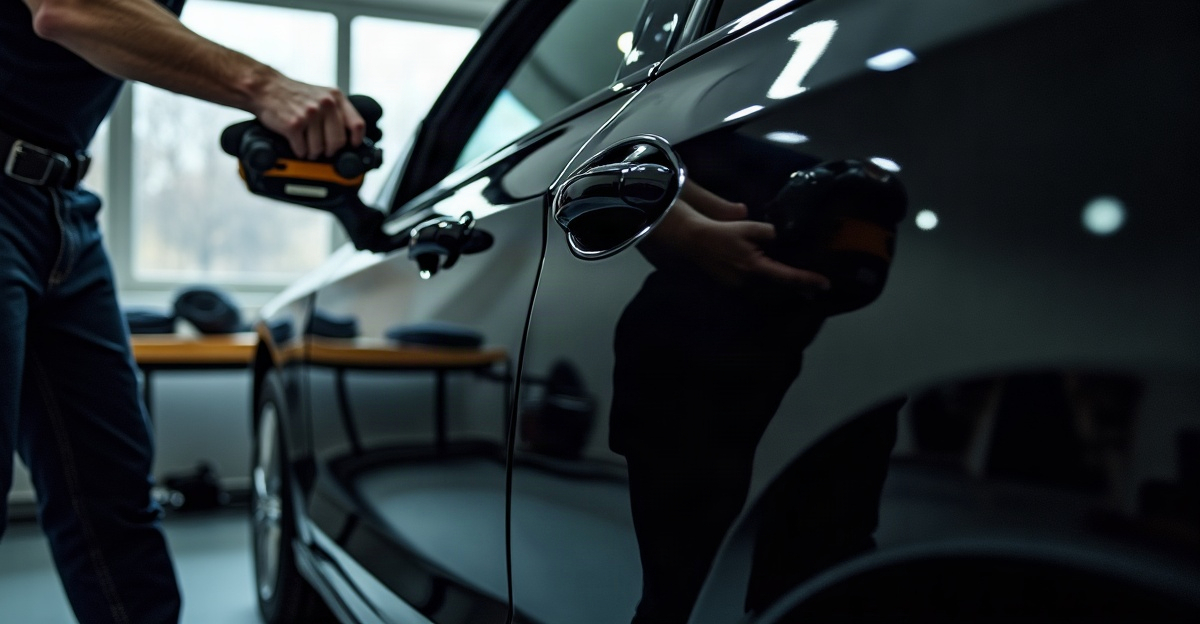
We then complete the required machine polishing and refinement. A DA polisher, or dual-action machine polisher, moves in a controlled pattern that helps polish paint evenly when used correctly. After correction, we inspect the finish again under proper lighting before applying the selected protection product, if included in the service.
The process can look different across cars, trucks, RVs, motorcycles, watercraft, and recreational vehicles. Paint systems, panel size, access, condition, and material types all affect the work required. We provide professional paint correction based on the vehicle in front of us, not a generic formula.
What Paint Correction Cannot Fix
Paint correction cannot remove every defect, and chasing every mark can remove more clear coat than is responsible. Our goal is safer, meaningful improvement in appearance and gloss, not a promise of perfect paint.
Deep scratches that catch a fingernail, rock chips, gouges, etched damage, failing clear coat, peeling paint, and certain bodywork or repaint issues may need touch-up paint, qualified wet sanding, refinishing, or body repair. Polishing does not replace paint repair. For example, paint chip repair options differ from correcting light surface marks.
Paint-transfer damage may also need a different approach. We assess it before polishing because the visible mark may be transferred material, damaged clear coat, or both. Light oxidation and surface defects can often improve, but severe paint failure cannot be corrected through polishing alone.
Common Questions About Correction Limits
Can paint correction remove deep scratches? It may reduce their visibility, but deep scratches often remain because safely removing them would require too much clear-coat removal.
Is paint correction safe for older vehicles? It can be, provided we inspect the paint carefully and choose a conservative approach. Older, thin, repainted, or heavily polished panels need added caution.
How long does paint correction last? The corrected appearance lasts until new defects develop. Proper washing, drying, and paint protection help preserve the result. Pricing depends on vehicle size, condition, and the correction level required, as outlined in paint correction cost factors.
Why Paint Correction Matters Before Ceramic Coating and How to Maintain It
Paint correction improves the appearance of existing paint defects. Ceramic coating protects the corrected finish, adds gloss, and can make routine cleaning easier. A coating does not remove swirls, permanently fill significant scratches, stop all rock chips, or make paint invincible.
Coatings lock in the appearance of the paint underneath them. That is why correction is often considered before a ceramic coating service. One-stage paint correction can be enough before coating when the level of improvement meets your expectations and the paint condition supports it. There is no universal requirement for two-stage or multi-stage correction before coating. We also explain ceramic coating safety so you can make an informed protection choice.
To maintain the finish, use proper wash methods, clean wash media, and clean drying towels. Avoid abrasive automatic car washes and remove bird droppings and bug residue promptly. Following the maintenance guidance for the selected protection product helps preserve gloss and reduce new marring.
Vehicle owners in Eastern Idaho and Western Wyoming can schedule a paint assessment before choosing a correction stage or ceramic coating package. We will assess the actual paint condition, discuss safe options, and recommend a result that fits the vehicle and its long-term use.