Ceramic Coating for Trucks Cost: What Affects the Price?
Ceramic coating for trucks typically costs $1,000 to $3,000 or more with professional application. We base the final price on the truck’s size, condition, accessories, and preparation needs. Paint correction, decontamination, wheel and trim coverage, coating quality, and work or driving conditions also shape the service scope and value.
Key Takeaways
- Full-size, heavy-duty, lifted, dually, crew-cab, and long-bed trucks require additional labor, which can increase coating costs.
- Older, heavily used, and work trucks often need paint correction and thorough decontamination, which can raise the final price.
- A written quote should list preparation, correction work, coated surfaces, product details, curing requirements, and maintenance guidance.
- Ceramic coating boosts gloss, makes cleaning easier, and helps resist UV exposure, road grime, and contaminants. It won’t stop rock chips or fix existing damage.
- Paint protection film offers better rock-chip defense in high-impact areas. Many truck owners pair it with ceramic coating for broader protection.
How Much Does Ceramic Coating Cost for a Truck?
Professionally applied truck ceramic coating commonly costs roughly $1,000 to $3,000+, depending on the truck, its condition, and the protection package. This ceramic coating for trucks cost range provides realistic guidance, but it is not a flat-rate quote or a guaranteed local price.
We need to inspect the truck before giving an accurate estimate. Heavy-duty pickups, crew cabs with long beds, lifted trucks, dually trucks, and trucks with extensive accessories can fall above typical starting ranges. Trucks that need significant paint correction or deep cleaning before coating will also require more labor.
The lowest quote is not always the lowest overall cost. A low price may leave out paint correction, chemical decontamination, important exterior surfaces, or clear aftercare guidance. Quality preparation and complete service scope matter because a ceramic coating needs clean, properly prepared paint to perform as intended.
Truck owners across Eastern Idaho, Western Wyoming, and nearby areas deal with conditions that are hard on exterior surfaces. Road salt, winter brine, gravel, mud, snow, UV exposure, dust, towing, work use, and outdoor recreation all affect the cost for ceramic coating trucks and the type of protection that makes sense. For a broader look at pricing factors, see our guide on ceramic coating cost.
Why Do Truck Ceramic Coating Quotes Vary?
The final price reflects the time, labor, materials, and condition-specific work required. The coating bottle is only one part of the service. Preparation, polishing, access around accessories, and surface coverage often have a much greater effect on the final estimate.
Compact pickups generally require less labor than full-size or heavy-duty trucks. Cab style and bed length also matter. A single-cab short-bed truck has less painted area than an extended cab, crew cab, long-bed, or heavy-duty configuration.
Added equipment can increase preparation time and application difficulty. Dually fenders, lifted suspensions, oversized tires, bed caps, canopies, racks, toolboxes, running boards, steps, and large amounts of trim all create more surfaces and tighter areas to clean and coat.
Work trucks and farm trucks often need additional cleaning before any coating work begins. Mud, dust, road film, heavy brake dust, bug residue, and embedded contamination can build up in paint, trim, wheels, and hard-to-reach areas. A truck used on jobsites may need far more preparation than a lightly used garage-kept vehicle.
Paint condition is another major factor. Older paint may have oxidation, staining, wash-induced swirls, haze, light scratches, old sealants, or remnants of previous coatings. We also consider whether the owner wants painted panels only or expanded coverage for wheels, glass, plastic trim, bed rails, grille areas, and accessories.
Coating quality, intended durability, and any warranty or documentation requirements can also affect package pricing. Our truck and SUV coating services begin with the truck’s actual condition rather than a one-size-fits-all package.
Is Paint Correction Included in the Cost?
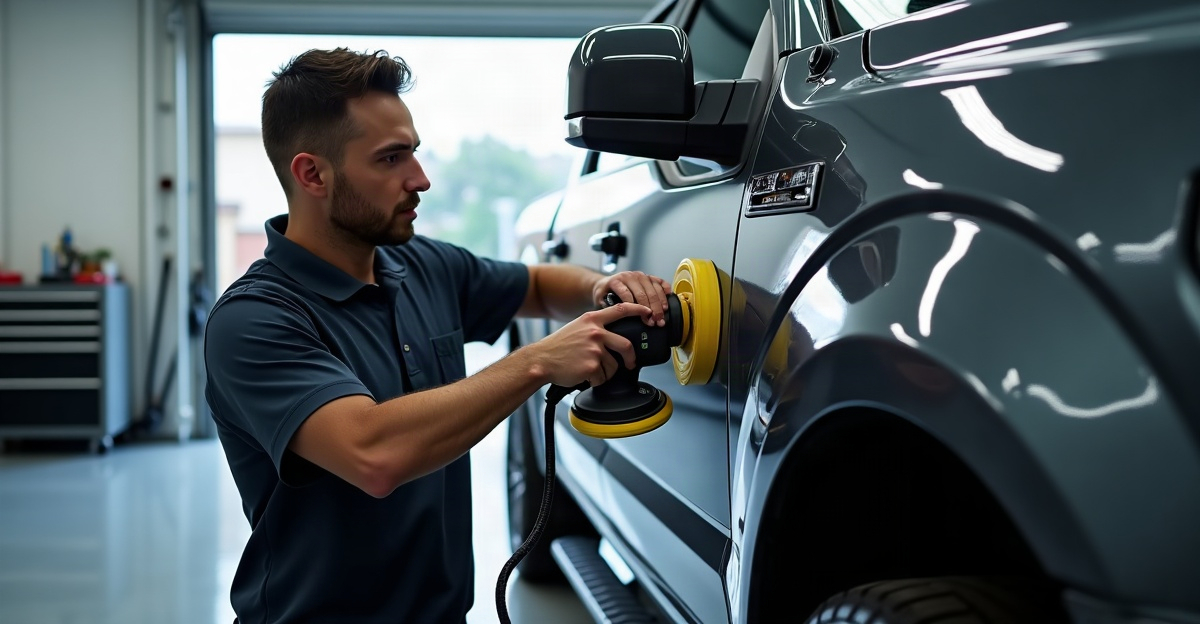
Preparation work and paint correction often have a greater effect on total price than the ceramic coating itself. Paint correction is a polishing process that reduces visible swirls, oxidation, haze, and light scratches before the coating locks in the appearance of the paint.
A professional inspection should identify contamination, oxidation, scratches, accessories, prior protection products, and the level of correction needed. Some newer trucks may need a lighter polish. Older, neglected, or heavily used trucks may need substantially more work before coating application.
Common preparation steps can include a thorough wash, chemical decontamination, iron removal, clay treatment where appropriate, paint inspection, polishing or correction, panel preparation, and coating application. We explain these steps clearly before starting work, so there are no surprises about what the quote includes.
Ceramic coating does not remove deep scratches, repair dents, stop rock chips, prevent collision damage, or correct damaged paint without repair work. Coating over visible defects can preserve and sometimes make those defects stand out more under added gloss. Trucks with oxidation, heavy swirls, staining, old sealants, or farm and jobsite contamination often need more labor to produce a clean, even result.
For a closer explanation of the polishing process, read how paint correction works. We also provide professional paint correction services when a truck needs improvement before protection.
What Does a Truck Ceramic Coating Package Usually Include?
Service scope should be written clearly instead of described with vague package language. A complete estimate should state what we will prepare, correct, coat, and recommend for ongoing care.
What to Check in a Written Quote
Before comparing prices, confirm that the quote covers the following details:
- Wash and drying process
- Chemical decontamination and iron removal
- Clay treatment where appropriate
- Paint inspection and included paint correction level
- Coating brand, type, and intended durability
- Painted surfaces and any added coverage
- Wheels, glass, trim, bed rails, grille areas, and accessories
- Curing expectations
- Coating documentation or warranty information, where applicable
- Maintenance instructions and follow-up care recommendations, if offered
A properly applied coating can improve gloss, make washing easier, and add resistance to UV exposure, chemicals, bug residue, road grime, and some environmental contamination. Learn more about what ceramic coating does before deciding which coverage level fits the truck.
Ceramic coating is not maintenance-free. It does not make a truck invulnerable to water spotting, deep scratches, dents, road damage, or neglect. Durability depends on product quality, preparation, storage, annual mileage, washing habits, climate, salt and brine exposure, mud, bugs, and regular maintenance. Our overview of ceramic coating durability explains why lifespan claims should always account for real use.
We recommend regular hand washing or touchless washing where appropriate. Avoid abrasive brushes, remove bugs, bird droppings, and road salt promptly, and use products that are compatible with the coating.
Ceramic Coating vs. PPF for Trucks
Ceramic coating and paint protection film solve different problems. Ceramic coating improves gloss, supports easier cleaning, and adds chemical and environmental resistance. Paint protection film, often called PPF, is generally the better option for physical impact protection against rock chips in high-impact areas.
Ceramic coating does not provide the same physical impact protection as PPF. For trucks that frequently travel gravel roads, highways, construction areas, or roads with winter debris, PPF is the stronger choice where rock-chip resistance is the main priority.
Common areas that may benefit from PPF include:
- Front bumper
- Hood
- Fenders
- Mirrors
- Rocker panels
- Areas behind the tires
Many owners combine both services: PPF protects the most vulnerable impact areas, while ceramic coating supports gloss, cleaning ease, and environmental resistance across the exterior.
Eastern Idaho and Western Wyoming driving can make this combination worth considering. Gravel, road debris, highway miles, winter brine, towing, and outdoor use can all influence the right protection plan and budget.
How to Compare Quotes and Decide What Is Worth Paying For
Compare workmanship, preparation, coating documentation, realistic maintenance guidance, provider reputation, and clearly stated service scope instead of focusing only on the bottom-line price. An accurate quote should account for the truck’s size, condition, modifications, and planned use.
Ask each provider what level of paint correction is included, whether decontamination and prep are added charges, and which surfaces receive coating. Confirm the coating product, available documentation, coverage for wheels, glass, trim, bed rails, and accessories, plus maintenance recommendations for local road and weather conditions.
Truck Ceramic Coating FAQ
How much does ceramic coating cost for a full-size truck?
A full-size truck commonly falls within the roughly $1,000 to $3,000+ professionally applied range. Crew cabs, long beds, heavy-duty trucks, and trucks requiring correction can cost more.
Is paint correction included with truck ceramic coating?
Paint correction is not the same level for every truck, but we should assess defects before coating. Ceramic coating will not remove swirls, oxidation, haze, or light scratches.
Is ceramic coating worth it for a work truck?
Ceramic coating can be worthwhile on a work truck because it supports easier cleaning and resistance to road grime, UV exposure, chemicals, and contamination. Frequent washing and realistic maintenance still matter. Our guide on whether ceramic coating is worth it covers the practical tradeoffs.
Will ceramic coating prevent rock chips?
No. Ceramic coating does not prevent rock chips. PPF is the better choice for physical impact protection in high-impact areas.
How long does ceramic coating last on a truck?
Coating durability varies with product quality, preparation, truck use, storage, mileage, climate, exposure, and maintenance. No responsible installer should promise the same lifespan for every truck.
Can lifted trucks and dually trucks be ceramic coated?
Yes. We can apply ceramic coating to lifted trucks and dually trucks. Extra size, access challenges, fenders, wheels, tires, trim, and accessories may increase labor and cost.
Truck owners in Eastern Idaho, Western Wyoming, and surrounding areas can request a truck-specific assessment from All In Ceramic Coating. We’ll recommend protection based on the truck’s condition, modifications, daily use, and practical protection goals.