Car Paint Sealant vs Wax: Which Is Better for Cars?
Car paint sealant vs. wax depends on durability, appearance, and vehicle use. We recommend sealant for longer-lasting protection. Wax delivers a warmer, freshly detailed shine. Daily-driven vehicles and cars kept outdoors often benefit from sealant. Garage-kept weekend vehicles may suit wax if frequent care and visual depth matter most.
Key Takeaways
- Paint sealant uses synthetic polymers that resist UV exposure, road grime, salt, and contaminants for longer periods.
- Car wax needs more frequent reapplication, but it can create a warm, deep gloss that many owners prefer.
- Proper washing, decontamination, and paint correction, when needed, help both products bond well and perform at their best.
- Neither wax nor sealant makes paint scratch-proof, chip-proof, or free from routine maintenance.
- Ceramic coating can offer a practical long-term option for vehicles that receive proper preparation and ongoing care.
The Short Answer: Sealant for Longer Protection, Wax for Short-Term Shine
Paint sealant is usually the better choice for vehicle owners who prioritize durability and seasonal protection. Car wax can be the better fit for owners who want a warm, freshly detailed appearance and do not mind refreshing it more often.
Neither product wins in every situation. The right choice depends on how the vehicle is driven, where it is parked, local weather, wash habits, paint condition, appearance preferences, and budget.
| Car Paint Sealant vs Wax Category | Paint Sealant | Car Wax |
|---|---|---|
| Primary purpose | Longer-lasting surface protection and easier maintenance | Short-term gloss enhancement and surface protection |
| Typical composition | Synthetic polymers | Often carnauba-based, though synthetic and hybrid waxes also exist |
| Durability expectations | Typically lasts longer with proper preparation and care | Generally needs more frequent reapplication |
| Appearance and gloss | Clean, sharp, reflective finish | Warm, deep, freshly detailed appearance |
| Resistance to exposure | Usually offers stronger resistance to UV rays, road grime, salt, and contaminants | Provides a protective layer but typically offers shorter-term resistance |
| Ease of application | Available in liquid and spray forms; requires proper curing | Often simple to apply and easy to refresh |
| Maintenance needs | Less frequent reapplication, but regular washing still matters | Frequent refreshing helps maintain results |
| Cost considerations | May cost more initially but can offer better value over time | Often lower upfront cost, with more frequent product use |
| Best-fit use case | Daily drivers, outdoor parking, long commutes, winter conditions | Garage-kept vehicles, weekend cars, frequent detailers |
In the paint sealant vs car wax comparison, product performance varies widely. Preparation, product quality, application method, storage, mileage, climate, wash routine, and exposure to UV rays, snow, road salt, mud, and chemicals all affect results.
Water beading can show that the surface is behaving hydrophobically, but beading alone does not confirm that full protection remains. We also assess how easily the vehicle cleans, its exposure history, the condition of the paint, and whether contaminants still adhere to the surface.
What Car Wax and Paint Sealant Actually Do
Car wax creates a sacrificial layer over clear coat. Traditional waxes often use carnauba and are valued for visual warmth, depth, and a rich gloss. Wax can also temporarily hide very minor surface imperfections, especially on darker paint.
The term “wax” covers several different products. Synthetic waxes, spray waxes, and hybrid formulas may perform very differently from a traditional carnauba paste or liquid wax. Product labels matter, so it is important to compare the actual formula and intended use instead of relying on the name alone.
Paint sealant is generally a synthetic, polymer-based protectant. In simple terms, a polymer sealant is made to bond to the paint surface and form a sacrificial barrier against everyday contaminants. Sealants commonly focus on durability, chemical resistance, and longer periods between applications.
Sealants come in liquid, spray, and other polymer-based formats. Modern products can blur the line between wax, sealant, and hybrid protection. Some spray products provide quick gloss and limited protection, while others offer more durable polymer protection.
Both products improve gloss and add a protective layer between the paint and the environment. Neither makes a vehicle maintenance-free, scratch-proof, or chip-proof. Regular washing and prompt contaminant removal still protect the finish.
Car Paint Sealant vs Wax: Key Differences That Matter
Paint sealant usually handles frequent washing, road grime, UV exposure, salt, and chemical contaminants better than wax. That makes it a practical option for vehicles that see daily miles, outdoor parking, or harsh seasonal conditions. Wax still protects paint, but it generally needs refreshing more often.
Appearance is often the deciding factor for enthusiasts. Wax tends to create a warmer, deeper look that many owners prefer on show vehicles and darker colors. Sealant often produces a crisp, reflective shine. Paint color, paint condition, lighting, and the specific product all influence the final result.
Wax can be an affordable and enjoyable choice for owners who like regular hands-on detailing. Sealant reduces the need for frequent reapplication, though it still needs clean paint, proper application, and enough cure time. We recommend following the manufacturer’s instructions closely, especially for cure time and layering.
Initial cost does not tell the whole story. DIY wax and sealant products usually cost less at the start than professional services, but a product that needs constant reapplication may cost more in time and effort over the long term. The best value comes from protection that performs well in the vehicle’s real conditions.
Car wax vs paint sealant has clear limits. Neither product permanently removes swirl marks, scratches, oxidation, etching, or water spots. Neither prevents every bird-dropping etch, chemical stain, abrasion mark, or rock chip.
Which Protection Fits Your Vehicle, Driving Habits, and Local Conditions?
Wax makes sense for a garage-kept weekend vehicle where appearance and frequent detailing are the priority. It also works well for owners who enjoy maintaining the finish regularly and want a simple, easy-to-refresh product.
Sealant is often the practical choice for daily-driven cars, trucks, SUVs, and family vehicles. Outdoor parking, long commutes, frequent washing, and year-round exposure all create conditions where longer-lasting protection can help.
Eastern Idaho and Western Wyoming vehicles can face snow, winter road treatment, UV exposure, dust, gravel roads, mud, towing, and recreational use. Those conditions increase cleaning and maintenance needs for cars, trucks, SUVs, RVs, motorcycles, watercraft, and recreational vehicles. No product has one fixed lifespan in these conditions, since exposure levels vary from vehicle to vehicle.
A daily-driven truck or SUV that sees road salt, gravel, outdoor parking, and frequent miles will often benefit from a sealant or a truck and SUV coating. A garage-kept weekend car may benefit from wax if a richer visual finish matters most.
Multi-vehicle households do not need one approach for every vehicle. A work truck, family SUV, weekend car, and recreational vehicle can each need different protection based on use, storage, paint condition, and maintenance expectations.
Preparation and Maintenance: How to Get Better Results From Wax or Sealant
The condition of the paint before application matters as much as the product selection. Applying wax or sealant over road film, embedded fallout, mineral residue, or bonded contaminants can limit gloss, bonding, and durability.
Start with a thorough wash. Decontamination removes embedded fallout, road film, mineral residue, and other contaminants that regular washing can leave behind. Depending on the condition of the vehicle, that may involve clay treatment, chemical decontamination, or both. Dry the paint fully before applying protection.
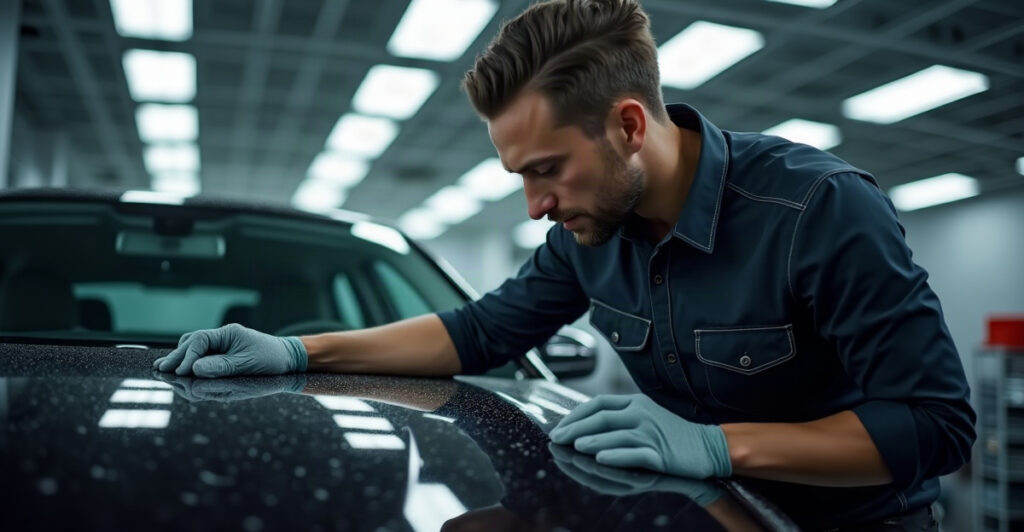
Visible defects should be addressed before applying longer-term protection. Swirl marks, oxidation, water spotting, and etching can remain visible beneath wax or sealant. Our paint correction services use professional polishing methods to improve paint clarity before protection is applied.
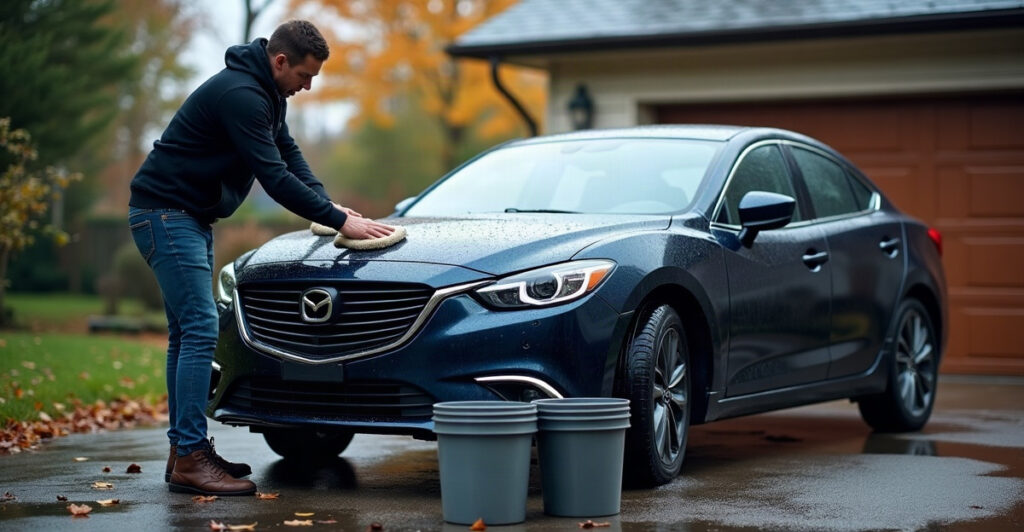
Safe maintenance helps extend the results from either product. Use a pH-balanced automotive shampoo where possible. Avoid abrasive brushes, dirty wash mitts, and poor drying practices that can add fresh marring. Clean microfiber towels and prompt removal of bird droppings, bug residue, tree sap, and road salt help preserve the finish.
Maintenance toppers can be useful, but they should be compatible with the existing wax or sealant. Hydrophobic behavior helps water move off the surface and can make washing easier, but it should never be the only measure of protection.
Paint Correction, Ceramic Coating, and Common Questions
Wax and sealant improve appearance, but they do not correct paint damage. They may temporarily conceal very minor imperfections, yet they do not permanently remove scratches, swirl marks, oxidation, or etching. Paint correction is the proper step when visible defects affect the finish.
Ceramic coating fits owners who want professionally prepared, longer-term protection and easier routine washing. It usually provides stronger chemical resistance and a longer service life than conventional wax or sealant, but it requires proper preparation, a higher initial investment, and ongoing care. We explain the practical differences in ceramic coating vs wax protection.
Professional auto ceramic coating services cost more because preparation, labor, product quality, paint condition, and service scope all matter. Ceramic coating is not scratch-proof, maintenance-free, or guaranteed to prevent every form of damage. It is a practical long-term option when expectations and maintenance are realistic.
Common Questions
Is paint sealant better than car wax? Sealant is usually better for durability and stronger resistance to regular environmental exposure. Wax can be better for a warm appearance and frequent detail maintenance.
How long does paint sealant last compared with wax? Sealant generally lasts longer than wax, but no fixed timeframe applies to every vehicle. Preparation, climate, washing, storage, mileage, and exposure determine actual performance.
Can wax go over paint sealant? It can in some cases, but product compatibility matters. Wax may change the surface behavior of the sealant, and layering does not always create better protection.
Does car wax protect against road salt and UV rays? Wax provides some protection, but it needs regular refreshing. Vehicles exposed to winter road treatment, constant sun, or frequent travel may benefit from a more durable sealant or coating.
Does paint sealant remove swirl marks or scratches? No. Sealant can improve gloss and reduce the visibility of very minor marks, but correction work is needed to permanently improve paint defects.
Is ceramic coating better than wax or paint sealant? Ceramic coating can be the stronger long-term option for vehicles that receive proper preparation and maintenance. Wax and sealant remain useful choices based on budget, appearance goals, and vehicle use.
Should paint correction happen before sealant or ceramic coating? Correction should be considered first when swirls, oxidation, etching, or water spots are visible. Protecting improved paint helps preserve the results.
How often should a daily driver be waxed or sealed? Maintenance should follow product instructions and actual vehicle exposure. Check cleaning behavior, paint condition, and contaminant buildup rather than relying only on water beading.
If wax, sealant, paint correction, or ceramic coating feels difficult to sort out, All In Ceramic Coating can evaluate the paint condition and discuss practical options based on how the vehicle is used. Contact us through our vehicle protection consultation page.