How to Protect Car Paint From Everyday Damage?
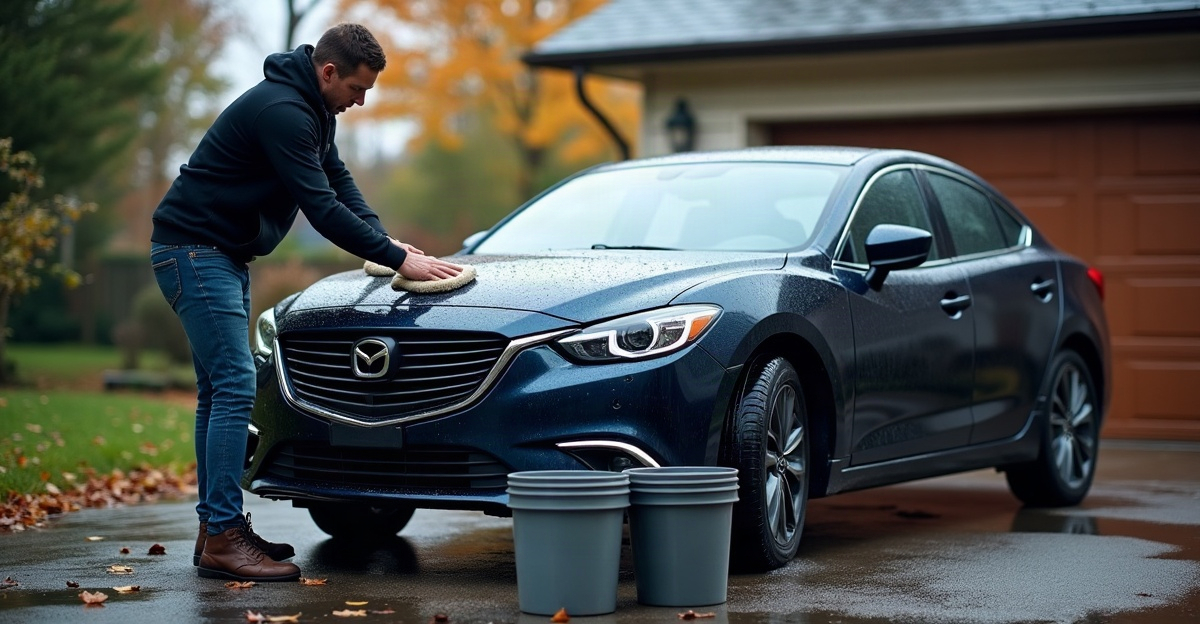
Protecting car paint starts with limiting daily damage from UV rays, road salt, bird droppings, tree sap, gravel, and improper washing. We recommend a plan that combines quick contaminant removal, safe wash practices, and protection that fits the vehicle’s driving conditions, paint condition, and impact exposure.
Key Takeaways
- Remove bird droppings, bug residue, tree sap, salt, and brine quickly to limit stains, etching, and moisture damage.
- Rinse away loose dirt before washing. Use clean microfiber towels and wash mitts. Avoid abrasive brushes and dirty towels that create swirl marks.
- Apply wax or sealants for short-term protection. Choose a ceramic coating for easier cleaning and stronger chemical resistance. Use paint protection film on areas that often receive rock chips.
- Ceramic coatings help guard against contaminants and UV exposure. They can’t prevent every scratch, rock chip, or issue caused by poor maintenance.
- Match protection to real driving habits. Add film and clean more often for vehicles driven on highways, gravel roads, winter routes, or parked outdoors.
Everyday Threats That Damage Car Paint First
Car paint damage usually starts with ordinary exposure, not a single major event. UV exposure, road salt, brine, bird droppings, tree sap, bugs, gravel, sand, poor washing methods, and environmental fallout all wear on the clear coat over time.
In Eastern Idaho, Western Wyoming, and similar areas, vehicles often face long highway miles, gravel roads, intense sun, winter salt, sand, and sharp temperature swings. Outdoor recreation can add dust, mud, bug residue, and tree debris. These conditions can speed up paint fading, staining, etching, and small impact damage.
We recommend removing bird droppings, tree sap, bug residue, road salt, and other contaminants as soon as practical. Droppings and bug residue can become acidic as they sit. Salt and brine hold moisture against the surface. Tree sap hardens and can bond to the clear coat. Left in place, each can stain or etch the finish.
Gravel and sand create a different type of risk. They strike the paint at speed and can chip the front end, rocker panels, fenders, and lower doors. Regular cleaning matters, but it cannot stop every physical impact. Effective protection starts by identifying whether the main concern is chemical contamination, UV exposure, wash damage, or rock chips.
The Daily Habits That Make the Biggest Difference
Long-term paint protection does not come from one product or a one-time service. We get better results through preventative care, proper washing, quick contaminant removal, and protective treatments that fit the vehicle’s use.
A proper car wash technique reduces the swirl marks and light scratches often caused by dirty wash mitts, contaminated drying towels, abrasive brushes, and harsh automatic washes. Use a pH-appropriate car shampoo, clean wash media, and plenty of lubrication. Rinse loose grit before making contact with the paint, especially after driving on gravel or winter roads.
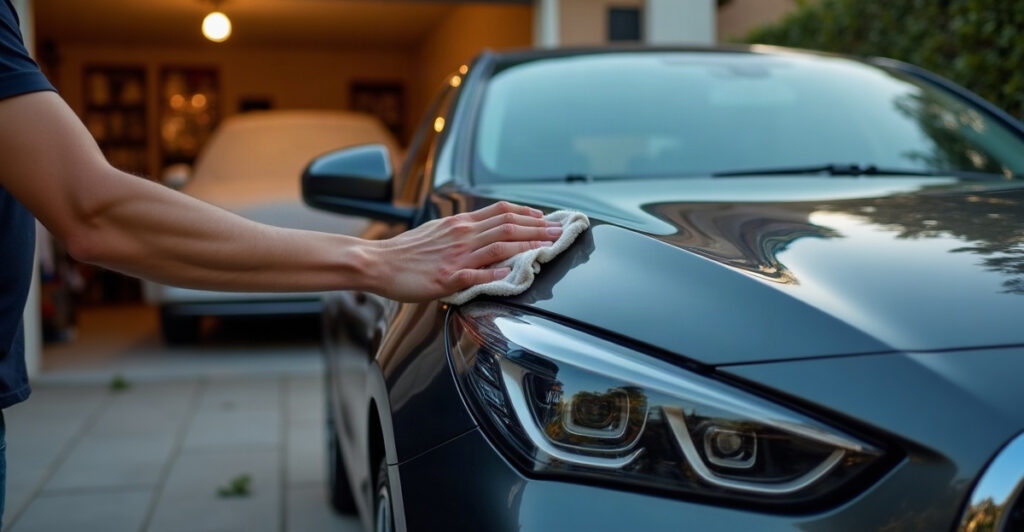
Safe drying techniques matter as much as washing. Use clean, high-quality microfiber towels and blot or lightly glide them across a well-rinsed surface. Avoid drying with old towels, bath towels, or anything that may hold sand and grit. These small habits help prevent swirl marks before they become visible in direct sunlight.
We should also remove bird droppings from car paint promptly with a clean microfiber towel and a paint-safe detailing spray or rinse water. Do not scrub dry contamination across the panel. Soften it first, then lift it away gently.
Garage storage or covered parking can reduce UV exposure, sap, bird droppings, and environmental fallout. A quality vehicle cover can help when covered parking is unavailable, but it must be clean and fitted correctly. A dirty or loose cover can rub debris into the finish and create scratches.
Ceramic coating does not replace regular washing or safe washing methods. It can make the vehicle easier to clean, but poor maintenance can still damage coated paint. For practical upkeep guidance, review ceramic coating maintenance.
Choose Protection Based on the Damage We Need to Prevent
Wax, synthetic sealants, ceramic coatings, and paint protection film serve different purposes. The right choice depends on the risks the vehicle faces and the level of maintenance we plan to provide.
Traditional wax improves gloss and adds short-term protection. It works well for vehicles that receive frequent care, though it needs reapplication more often. Synthetic sealants generally last longer than wax and can improve water behavior and ease of washing. For a closer comparison, see wax versus ceramic coating.
Ceramic coatings can improve gloss, chemical resistance, water behavior, and washability. The main ceramic coating benefits are easier maintenance and a stronger barrier against common contaminants. Learn more about ceramic coating benefits before choosing a package.
Paint protection film is the most relevant choice for physical impact areas. PPF for rock chips can help protect car paint from gravel, road debris, and repeated highway exposure. We commonly recommend film for front bumpers, leading hood sections, fenders, mirrors, rocker panels, and other areas exposed to gravel roads.
A complete plan often combines methods. Paint protection film handles high-impact areas, ceramic coating improves maintenance and chemical resistance across painted surfaces, and regular washing removes contaminants before they cause lasting damage. Our auto ceramic coating service can be paired with film where the vehicle’s use justifies both forms of protection.
Set Realistic Expectations for Ceramic Coating and Other Treatments
Ceramic coatings provide meaningful protection, but they have clear limitations. A coating can help reduce the effects of UV exposure, environmental fallout, and chemical contaminants. It does not make paint scratch-proof, chip-proof, maintenance-free, or permanently protected.
Rock chips, deep scratches, collision damage, and abrasive contact can still damage coated paint. We should view ceramic coating as a sacrificial protective layer that supports safer maintenance, not as an invincible shield. For clarity on this point, read ceramic coating scratch protection.
How long does ceramic coating last? The answer depends on product quality, surface preparation, storage, mileage, climate, wash habits, and ongoing ceramic coating maintenance. Durability claims need context. A vehicle parked outdoors, driven through winter brine, or used on gravel roads will face more stress than a garage-kept weekend vehicle.
A coating also preserves the condition of the paint beneath it. It will not remove swirl marks, oxidation, light scratches, water spotting, or etching already present in the clear coat. Proper paint protection expectations begin with an honest assessment of the current finish. For sun-related concerns, review UV and sun protection.
Match the Protection Plan to How the Vehicle Is Used
Every vehicle paint protection plan should reflect actual use, budget, climate, paint condition, and maintenance expectations. We do not recommend the same approach for a garage-kept car, a daily commuter, and a truck that sees gravel roads every week.
Daily commuters and outdoor-parked vehicles benefit from consistent washing, UV protection, fast contaminant removal, and a wax, sealant, or ceramic coating based on preferred maintenance intervals. Outdoor car paint protection works best when protection is paired with routine care.
For long highway travel and gravel-road driving, paint protection film should take priority on the front end and lower impact zones. Gravel road paint protection requires a physical barrier where debris strikes the paint. Coating those areas may help with cleaning, but it will not provide the same chip resistance as film.
Off-road vehicles, trucks, boats, RVs, and recreation vehicles need a plan built around mud, dust, sand, bugs, UV exposure, water spots, and frequent cleaning. These surfaces should be rinsed thoroughly before washing to avoid dragging abrasive debris across the finish.
Seasonal-use vehicles should be cleaned and decontaminated before storage. Inspect the paint before returning the vehicle to regular use. Winter-driven vehicles need frequent underbody and exterior cleaning to protect paint from road salt and brine. Focus on wheel wells, lower panels, rocker areas, bumpers, and other exposed surfaces. Consistent car paint protection for winter can prevent salt residue from remaining in place for long periods.
When Paint Correction or Professional Help Makes Sense
Paint correction before ceramic coating is often worthwhile when the finish has visible swirl marks, oxidation, light scratches, water spots, etching, or dullness. Paint correction is a professional process that improves paint appearance by reducing visible surface defects before protection is applied.
Applying a coating over damaged paint locks in the current appearance. It may add gloss and improve water behavior, but it will not remove swirl marks or correct oxidation on car paint. Preparing the surface first gives the protection a cleaner, clearer foundation.
Routine washing and quick contaminant removal are manageable for many owners. Aggressive polishing, harsh chemicals, and improper decontamination can create additional damage, especially on sensitive or heavily neglected finishes. Severe etching, embedded fallout, oxidation, or unclear paint defects deserve a professional assessment.
Professional paint protection is not necessary for every vehicle. Still, professional preparation and installation can provide better long-term results when paint condition, driving habits, or expectations call for it. Our paint correction service can reduce defects before a professional ceramic coating is applied, helping us protect a finish that already looks its best.